Understanding Bora Bora’s seasons for luxury travelers
The best time of year to visit Bora Bora depends on how you balance weather, prices, and privacy. On this remote island in French Polynesia, every season shapes the lagoon light differently and influences which luxury experiences feel truly exceptional. When you plan your time to visit, think in terms of dry season, wet season, and how each month aligns with your personal travel style.
From June to September, the dry season brings stable weather, lower humidity, and some of the best months for overwater stays. These June to September weeks are considered high season for many islands, so expect higher prices, more crowds at iconic viewpoints, and strong demand for premium rooms with direct lagoon access. If you want the best time for calm seas and clear underwater visibility, this dry period usually offers the most reliable conditions for snorkeling and diving around classic Bora Bora–Tahiti routes and nearby motu islets.
The wet season runs roughly from November to April, with warmer air, warmer lagoon water, and a higher chance of short but intense showers. During this rainy season, you often find fewer crowds, more flexible cancellation policies, and a low season feel even at prestigious resorts on Bora Bora. For many guests, the most rewarding time of year to visit is actually the softer shoulder between high season and full wet season, when the island feels quieter yet still warm and welcoming.
Dry season elegance: June to September for clear skies and calm lagoons
For travelers who prioritize clear weather and refined service, the dry season from June to September is often the best time. Days are warm but not stifling, trade winds keep the lagoon comfortable, and the overall seasonal rhythm suits couples seeking polished, unhurried luxury. During these months, the island atmosphere feels celebratory, and many sunsets over Mount Otemanu glow against crisp, cloud-brushed skies.
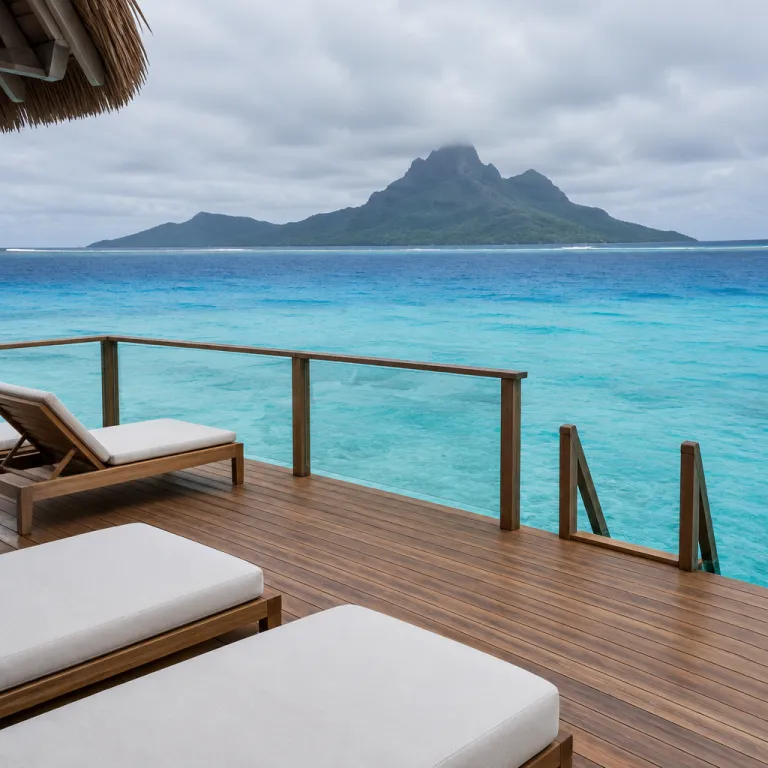
Because this period is the classic high season, premium suites and overwater villas sell out quickly, especially in August and during the popular September–October transition. If you plan to visit Bora Bora during this peak period, secure your preferred room category several months ahead to lock in the best prices and the most desirable time slots for private excursions. Many luxury travelers choose a stay such as the refined lagoonfront experience at Le Méridien Bora Bora in French Polynesia, where the dry season light enhances every shade of turquoise beneath your deck.
June and July are often considered the best months for active lagoon days, with reliable weather supporting sailing, paddleboarding, and reef snorkeling. By late August and into September, the season remains dry, yet you may notice slightly fewer crowds on outer motu and at some dining venues. For many discerning guests, this late dry season shoulder offers an ideal time to visit Bora Bora, combining high season clarity with a more relaxed, almost low season mood; for example, a seven-night stay might include four days of lagoon excursions, one full spa day, and two evenings reserved for private yacht sunsets.
Wet season charm: November to April for serenity and softer prices
While some travelers avoid the wet season, November to April can be the best time of year to visit Bora Bora for those who value intimacy and calm. During this period, the weather is warmer, showers are more frequent, and the island feels wrapped in a lush, tropical stillness. The lagoon remains inviting, and many guests appreciate the warm water for long swims directly from their villa decks.
Because this is considered low season for many French Polynesia islands, luxury hotels often adjust prices and packages to encourage longer stays. You may find that November and early December bring fewer crowds, generous inclusions such as spa credits, and more flexible upgrade opportunities for Bora Bora–Tahiti combination itineraries. When you travel in the wet season, you trade a slightly higher chance of rain for quieter beaches, easier restaurant reservations, and a more personal connection with the island’s rhythm.
From January through April, the rainy season can bring heavier showers, yet they often arrive in short bursts followed by bright, dramatic skies. If you plan your time to visit carefully, you can schedule lagoon excursions in the morning, then enjoy private dining or spa rituals during any afternoon showers. Pairing Bora Bora with nearby Tahiti luxury resorts, such as those highlighted in this guide to Tahiti luxury resorts for an unforgettable Bora Bora island escape, allows you to experience multiple islands and seasons within a single journey.
Shoulder seasons: September to October and April for balanced experiences
For many seasoned travelers, the best time of year to visit Bora Bora falls in the shoulder months, when seasons overlap and the island relaxes. The September–October window sits at the end of the dry season, offering lingering clear weather with slightly fewer crowds and more negotiable prices. During this period, you often enjoy a satisfying balance between high season energy and low season tranquility.
April marks another appealing shoulder month, bridging the wet season and the approaching dry season. Weather patterns can be mixed, yet you frequently experience warm days, manageable humidity, and a softer, more intimate atmosphere across the islands. For luxury guests, these months are ideal for extended stays, as you can secure attractive nightly rates while still enjoying excellent lagoon conditions and attentive service.
When you visit Bora Bora during these transitional months, you also support a more sustainable flow of tourism across French Polynesia. Many high-end properties now design their operations to reduce pressure on the lagoon and reef, and traveling outside peak season helps distribute visitor impact more evenly. To understand how one renowned island destination manages this balance, explore this analysis of overtourism on an atoll and what Bora Bora is doing differently from other island destinations, then align your travel dates with those sustainability goals.
Whale watching and marine life: timing your stay with nature
Beyond weather and prices, many guests choose the best time of year to visit Bora Bora based on marine life encounters. Whale watching is a highlight across French Polynesia, and the presence of humpback whales near the islands shapes the ideal travel window for nature enthusiasts. When you plan your time to visit, consider how closely you want your stay to align with these extraordinary migrations.
The main whale watching season typically runs from around July to November, when humpback whales visit the warm waters around Tahiti and the Society Islands. During these months, you can often arrange guided excursions from Bora Bora or nearby bases, combining a luxury lagoon stay with responsible marine observation. Because this overlaps with the dry season and early shoulder months, it can also be a busy period for specialized tours, so advance booking is essential.
September and October are often regarded as the best months for combining calm weather, fewer crowds, and reliable whale sightings. If you visit Bora Bora during this September–October window, you may enjoy clear mornings on the lagoon followed by afternoon outings in search of humpback whales offshore. Always choose operators who follow strict guidelines, maintain respectful distances, and prioritize the well-being of the whales over close encounters; local regulations and recommendations are summarized in monitoring reports from the Observatoire des Mammifères Marins de Polynésie Française.
Matching seasons to luxury hotel styles and experiences
Choosing the best time of year to visit Bora Bora also means matching each season to your preferred style of luxury. During the dry season, the focus often falls on active lagoon days, private yacht charters, and long, clear evenings on your villa terrace. Guests who thrive on social energy and curated events usually appreciate this high season rhythm.
In the wet season, the island’s luxury offering shifts subtly toward introspective experiences, with spa rituals, in-villa dining, and cultural workshops taking center stage. Many travelers find that November and the early months of the rainy season offer the best time for deep relaxation, as warm showers on the lagoon roof create a soothing backdrop. When you visit Bora Bora in this low season, you often enjoy more attentive service, as staff have more time to personalize every detail of your stay.
Shoulder months such as April and October are ideal for guests who want a blend of both worlds, with enough dry days for excursions and enough quiet for restorative downtime. Prices can be more flexible, and you may find that the best months for value align perfectly with your preferred balance of activity and calm. Whether you focus on Bora Bora–Tahiti twin-center itineraries or a single-island retreat, align your travel month with the experiences that matter most to you; for instance, combine three nights in Tahiti for cultural visits with five nights in Bora Bora dedicated to lagoon exploration and spa time.
Practical booking tips for premium stays in every season
Once you have chosen the best time of year to visit Bora Bora, refine your booking strategy to suit that season. For high season dates in the dry months, reserve flights and rooms at least six to nine months ahead, especially for overwater categories with direct lagoon access. This approach secures the best prices available for your dates and ensures your preferred villa orientation toward sunrise or sunset.
During low season and the wetter months from November to April, flexibility becomes your greatest asset. You can often adjust your time to visit by a few days to take advantage of promotional offers, complimentary nights, or added value such as private transfers and spa treatments. When you travel in these months, consider travel insurance that covers weather-related changes, while remembering that many showers are brief and rarely disrupt an entire day.
For shoulder periods such as September and October, monitor availability closely, as these dates are increasingly popular with experienced travelers seeking fewer crowds and balanced weather. If your schedule allows, arrive midweek rather than at the weekend to access a wider choice of room categories and more favorable prices. Whether you plan a single-island escape on Bora Bora or a multi-island itinerary across French Polynesia, align your booking timeline with the specific seasonal dynamics of your chosen month.
Key figures on Bora Bora seasons and luxury travel
- Average air temperatures in Bora Bora range from about 24 °C to 30 °C across the year, with the dry season typically slightly cooler and more comfortable for outdoor activities (data from Météo France for French Polynesia, for example the Bora Bora climate summaries on meteofrance.com).
- The dry season from roughly June to September receives significantly less rainfall than the November to April rainy season, which concentrates most of the annual precipitation in short, intense showers; for instance, long-term Météo France records for the Society Islands show average monthly totals around 60–90 mm in August versus 250–300 mm in January.
- High season occupancy in Bora Bora’s luxury hotels is reported as substantially higher than in the low season, with industry statistics from Tahiti Tourisme and regional hotel associations (such as the annual “Tourisme en Polynésie française” review) indicating that peak months can approach full capacity while quieter periods leave more rooms available and create greater rate flexibility.
- Humpback whales migrate through French Polynesia waters primarily between July and November, making these months the most reliable for whale watching excursions from islands such as Tahiti and Bora Bora (data from the Observatoire des Mammifères Marins de Polynésie Française, summarized in its published monitoring reports).
FAQ about the best time of year to visit Bora Bora
What is the best time of year to visit Bora Bora for ideal weather ?
The best time of year to visit Bora Bora for consistently pleasant weather is usually the dry season from June to September. During these months, you can expect warm days, lower humidity, and relatively calm seas. This period is especially suitable for lagoon excursions, snorkeling, and long days on your villa deck.
When is Bora Bora less crowded but still has good conditions ?
Shoulder months such as April and the September–October window often bring fewer crowds while still offering good weather. These periods sit between high season and low season, so you benefit from a more relaxed atmosphere without sacrificing too many clear days. Many luxury travelers consider these months the best compromise between value, privacy, and comfort.
Is the wet season a bad time to visit Bora Bora ?
The wet season from November to April is not necessarily a bad time to visit Bora Bora, but it does bring more frequent showers and higher humidity. Many rains are brief, and the lagoon remains warm and inviting, so you can still enjoy swimming and water sports. This season also offers lower prices, fewer crowds, and a more tranquil island mood.
When is the best time for whale watching near Bora Bora ?
The best time for whale watching near Bora Bora and other Society Islands is typically between July and November. During this period, humpback whales migrate through French Polynesia waters, and specialized operators offer guided excursions. For the most balanced conditions, many travelers choose September or October, when seas are often calm and sightings are frequent.
How far in advance should I book a luxury hotel in Bora Bora ?
For high season stays in the dry months, plan to book your luxury hotel six to nine months in advance, especially for overwater villas. In low season and shoulder months, three to five months is often sufficient, though earlier booking still secures better choice. Always check flexible rates and cancellation policies, as they allow you to adjust dates if flight schedules or weather forecasts change.