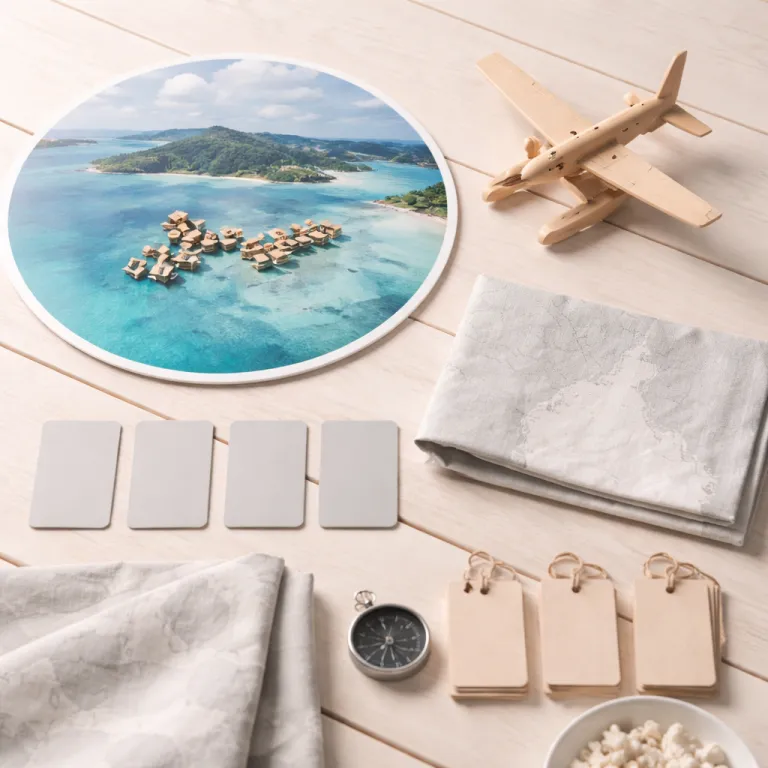
French Polynesia tourism cap on visitors and what it means for Bora Bora
French Polynesia has formally introduced a tourism cap on visitors, limiting annual arrivals to 280,000 people. This visitor ceiling, confirmed in the government’s Fāri'ira'a Manihini 2027 strategy and relayed by Tahiti Tourisme and local media following the 10 November 2022 announcement, aligns the number of tourists with the resident population, signalling a decisive shift toward sustainable tourism rather than volume driven growth. For travellers planning a stay in Bora Bora, the cap will gradually tighten availability at the top luxury resorts while reinforcing the island as a high value tourism destination.
The Fāri'ira'a Manihini 2027 plan, often shortened locally to Farira Manihini, sets out a strategy to manage tourist numbers across all islands, from Tahiti to the remote atolls. Authorities want tourism in French Polynesia to favour longer stays, higher spend and slow tourism experiences that respect lagoon ecosystems and local culture. This means visitor numbers in Bora Bora will be carefully balanced with the rest of the Society Islands and outer archipelagos, so cruise tourism, resort guests and independent travellers all fit within the same overall cap and island-by-island allocation targets, such as tighter daily thresholds in the most fragile lagoons.
According to the French Polynesian Government, the objectives are clear: the annual limit is set at 280,000 tourists, the priority is to promote sustainable tourism and preserve local culture, and the policy was officially announced on November 10, 2022 in the Fāri'ira'a Manihini 2027 framework presented by the Presidency and Tahiti Tourisme. These commitments, reiterated in official communiqués and at ParauParau Tahiti events, frame how cruise ships, airlines and hotels must now plan capacity. For executive travellers extending business trips, this visitor management framework means booking windows for peak periods on the island will narrow, and last minute upgrades in Bora overwater categories will become harder to secure, especially around July–August and the Christmas–New Year holidays, when occupancy already approaches the new ceiling.
High value strategy, pricing shifts and the role of cruise tourism
High value tourism in French Polynesia translates directly into elevated accommodation standards, curated excursions and firmer pricing in Bora Bora’s luxury segment. As tourist numbers are capped, resorts are less reliant on discounting, so nightly rates for premium villas over the lagoon tend to hold or rise, especially when visitor numbers approach the ceiling set by the Fāri'ira'a Manihini plan. For travellers comparing Bora Bora with other islands or even the Maldives, this shift reinforces Bora as a rarefied choice rather than a mass market tourism destination, a point explored in depth in our guide to Bora Bora island versus Maldives for luxury stays, where the long term impact of capacity limits on pricing and exclusivity is analysed.
Cruise tourism is being reshaped at the same time, as authorities discuss limits on cruise ships and the daily flow of cruise tourists into small ports. The phrase limits cruise now appears frequently in local news debates, where Tahiti Tourisme and other stakeholders weigh the economic benefits of cruise tourists against pressure on lagoon environments. For Bora Bora, where cruise ships anchor off the island and tender visitors ashore, the emerging policy direction favours fewer ships with higher spending guests, aligning cruise tourism with the broader sustainable tourism goals of the Fāri'ira'a Manihini year plan and the 280,000 visitor threshold, with draft scenarios mentioning daily caps on cruise passengers in the most visited bays.
Regional air carriers and cruise operators are adjusting their year plan schedules to align with cultural events, school calendars and the overall tourism ceiling. Aranui’s forthcoming Aranoa vessel, for example, is described in company briefings as being designed for culturally focused voyages that spread visitors across multiple islands rather than concentrating everyone in Bora. This approach supports slow tourism, encourages travellers to read more about lesser known islands beyond Tahiti, and helps keep tourist numbers manageable in the most fragile lagoons by smoothing demand across the year and across the archipelagos; one recent itinerary example combines the Tuamotu atolls, the Marquesas and a short call in Bora Bora instead of a full week in a single lagoon.
What changes on the ground for luxury guests in Bora Bora
On the ground in Bora Bora, the visitor cap policy is already influencing how luxury properties manage inventory, service and guest mix. With a finite pool of tourists allowed into French Polynesia each year, resorts are prioritising longer stays, repeat guests and travellers who value sustainable experiences over quick photo stops. One general manager quoted in local press summarised the shift as “fewer rooms, more time with each guest”, capturing how service models are evolving. For business leisure visitors, this means planning your travel calendar earlier in the year, especially if you want specific villa numbers, sunset aspects or privacy focused locations on the island, and being ready to confirm stays three to six months ahead for the most requested dates.
New professional standards for guides and tour operators, expected to be fully in place by the end of the Fāri'ira'a Manihini period, will raise the bar for lagoon excursions, cultural visits and private cruises. Operators in Bora Bora and Tahiti are being encouraged by Tahiti Tourisme and the French Polynesian Government to embed sustainable tourism practices, from reef safe briefings to limits on cruise tourists in sensitive bays. For guests, this translates into more consistent quality, clearer privacy policy communication and a stronger emphasis on local culture during every lagoon outing, with smaller group sizes and more structured timing around peak cruise calls so that snorkelling sites and motu picnic spots are not overwhelmed.
For those choosing between high end resorts, the trend is toward properties that integrate slow tourism principles into their daily operations, from coral gardening to partnerships with local artisans. Our review of Resort Eden Bora Bora for luxury travellers shows how one address is aligning with the visitor cap framework through limited key counts and curated experiences. To time your arrival against peak visitor numbers and cruise ships in port, consult our guide on choosing the best time to go to Bora Bora for a luxurious island stay, then coordinate with your preferred hotel’s équipe to secure the exact stay pattern you want, including pre- and post-stays on other islands if Bora Bora is fully committed or if your preferred overwater category is already allocated.