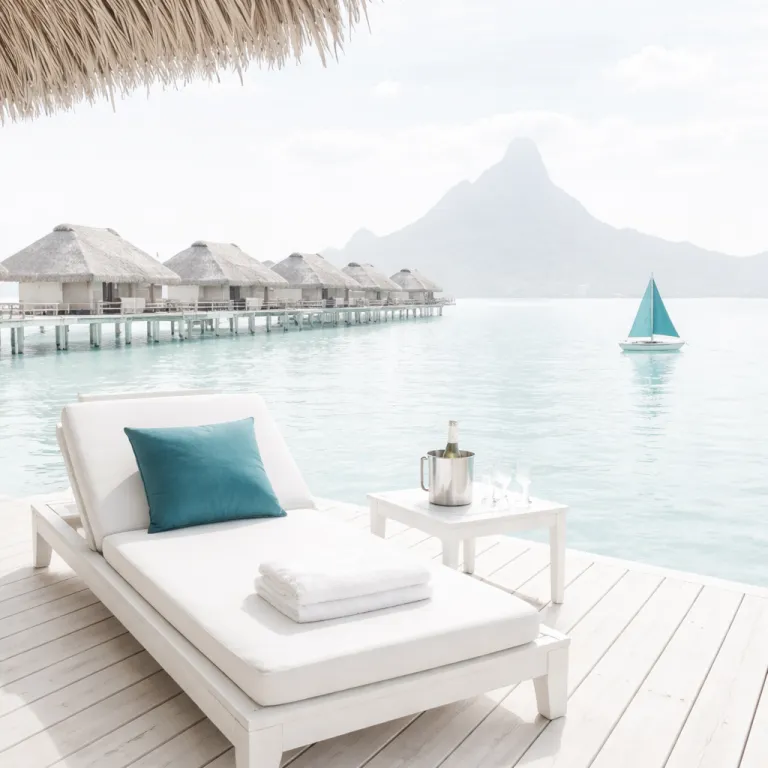
How the seasons shape the best time to go to Bora Bora
Understanding the rhythm of the seasons is essential when deciding the best time to go to Bora Bora. On this island in the Îles Sous le Vent, the dry season from May to October usually offers the best weather conditions for a luxury stay, with average highs around 28 °C and relatively low rainfall that suits long days on the lagoon. During this time of year, the south Pacific trade winds keep temperatures comfortable, so many travellers consider it the best season to plan a high end trip and enjoy calm seas for cruising between the islands of French Polynesia.
The rainy season from November to April brings warmer weather, with average highs near 30 °C and heavier showers that can affect outdoor activities and visibility for scuba diving or snorkelling. However, this wetter time can also mean fewer crowds, softer prices on premium rooms, and a more tranquil atmosphere for those who want to avoid crowds while still experiencing the intense colours of the lagoon around the main island. When you visit Bora during this period, you should monitor weather conditions closely, use reliable forecasts, and consider travel insurance, especially if your trip includes a cruise extension to Tahiti or other islands in French Polynesia.
Luxury travellers often balance weather, budget, and privacy when choosing the best time to visit Bora Bora, rather than focusing only on sunshine statistics. High season typically aligns with the dry season, when demand for overwater villas on the island of Bora Bora peaks and availability becomes tight, so booking early is essential. Whether you travel in the dry season or the rainy season, the key is to plan your stay around the activities that matter most to you, from whale watching excursions to private lagoon tours and fine dining on the main island.
Balancing weather, crowds, and prices for a premium stay
For many guests, the best time to go to Bora Bora is when the balance between weather, crowds, and cost feels right for their expectations. The high season during the dry season brings the clearest skies, the most stable weather conditions, and the liveliest atmosphere, but it also means higher nightly rates and more limited choice on a luxury and premium hotel booking website in Bora Bora. If you plan a trip during this period, especially around school holidays in the south Pacific and Europe, you should secure your stay several months in advance to access the best villas on the island Bora lagoon.
Shoulder months such as April and the transition from September to October often provide an appealing compromise for discerning travellers. In April, the rainy season is easing, showers become less frequent, and you may still avoid crowds while enjoying warm water for scuba diving and lagoon activities around Mount Otemanu. Between September and October, the dry season is still in place, the air feels slightly cooler, and the island can be a little quieter than in the absolute peak of high season, which suits couples seeking privacy and calm.
Off peak travel during the wetter time of year can be attractive for guests who value space and personalised service over guaranteed sunshine. Luxury resorts and premium guest experiences on Bora Tahiti routes sometimes offer added value during the rainy season, such as spa credits or complimentary activities, which can enhance the overall quality of your visit. By using a refined hotel booking website focused on French Polynesia, you can compare dates, monitor rate fluctuations across seasons, and align your time to visit with both your budget and your preferred level of social buzz on the main island.
Choosing the right activities by time of year in Bora Bora
The best time to go to Bora Bora also depends on which activities define your ideal trip. During the dry season, clear water and stable weather conditions create excellent visibility for scuba diving, snorkelling, and glass bottom boat tours around the coral gardens of the island Bora lagoon. Calm seas in the south Pacific make this season ideal for private yacht charters, inter island cruise itineraries, and helicopter flights over Mount Otemanu, all of which can be arranged through resort concierges or trusted local guides.
From roughly September to October, whale watching becomes a highlight in parts of French Polynesia, and some excursions from Tahiti Bora itineraries can include opportunities to observe these marine giants in the wider south Pacific. While Bora Bora itself is more famous for its lagoon than for open ocean encounters, many luxury travellers combine a stay on the main island with time on other islands in French Polynesia that specialise in whale watching. In these months, the weather usually remains within the dry season pattern, which supports both marine activities and inland hikes.
During the rainy season, short but intense showers can pass quickly, leaving time for cultural activities, spa rituals, and gourmet experiences on the island. A refined example is an evening at an exclusive restaurant such as a fine dining address on the island, which pairs French culinary techniques with local ingredients from French Polynesia. Even when the weather is less predictable, you can plan a stay that alternates indoor and outdoor activities, using your hotel booking website to select properties with generous in villa spaces, covered terraces, and private pools that make every time of year feel indulgent.
How to plan a seamless luxury trip from Tahiti to Bora Bora
When evaluating the best time to go to Bora Bora, you should also consider the logistics of travelling through Tahiti and the wider islands of French Polynesia. Most international flights arrive in Tahiti, and from there you connect to the main island of Bora Bora by domestic plane or occasionally by cruise segments within the south Pacific. During high season in the dry season, seats on these flights can sell out quickly, so it is wise to plan a trip that locks in both your air connections and your luxury accommodation before you confirm other details.
Many premium travellers choose to combine Tahiti Bora stays with time on other islands, creating a multi island itinerary that showcases different aspects of French Polynesia. For example, you might spend two nights in Tahiti to adjust to the time zone, then continue to the island Bora lagoon for five nights, followed by a cruise through the Leeward Islands in the south Pacific. In this scenario, the best season for you will be the one that aligns weather conditions across all destinations, especially if you want consistent sunshine for scuba diving, sailing, and beach activities.
Online booking platforms dedicated to Bora Tahiti travel can help you coordinate transfers, inter island flights, and resort stays according to the time of year. Innovation in virtual planning tools now allows you to compare weather patterns, crowd levels, and rate trends in real time, which supports more informed decisions about when to visit Bora. By working with travel agencies, resort staff, and local guides, you can refine your time to visit so that every segment of your journey, from Tahiti airport lounges to overwater breakfasts on the island Bora lagoon, feels effortless and aligned with your expectations.
Using a luxury hotel booking website to match season with style
A specialised luxury and premium hotel booking website in Bora Bora can be a powerful ally when you are choosing the best time to go to Bora Bora. These platforms often integrate detailed information about the dry season and the rainy season, including typical weather conditions, average temperatures, and rainfall, which helps you understand how each time of year will shape your stay. By filtering properties on the main island and surrounding motu islets, you can align your preferred season with the style of resort, villa category, and on site activities that matter most to you.
During high season, when the island Bora lagoon is at its busiest, a refined booking website allows you to identify suites that offer maximum privacy, such as end of pontoon overwater villas or secluded beachfront residences. If you want to avoid crowds while still enjoying the advantages of the dry season, you can target dates in April or the transition from September to October, when availability may be slightly better and the atmosphere more relaxed. For guests who prefer the quieter ambience of the rainy season, the same platform can highlight promotions, added value offers, and flexible cancellation policies that make a spontaneous visit Bora more appealing.
These hotel booking tools also help you match activities to your chosen time to visit, whether you prioritise whale watching, scuba diving, or cultural events on the main island. You can review guest feedback about how different seasons affected lagoon clarity, excursion schedules, and the overall feel of the island in both singular and plural experiences of previous trips. By combining this insight with professional advice from resort staff and travel agencies, you can plan a trip that turns the abstract idea of the best season into a concrete, personalised calendar for your journey through French Polynesia.
Insider strategies to avoid crowds and elevate your Bora Bora stay
For many luxury travellers, the best time to go to Bora Bora is not only about sunshine but also about serenity. One effective strategy to avoid crowds is to travel in the shoulder periods around April and the window from September to October, when the dry season either begins or tapers off and the island Bora lagoon feels slightly less busy. During these months, you still benefit from generally favourable weather conditions, yet you may find more choice on a premium hotel booking website and more attentive service as staff manage fewer simultaneous arrivals.
Another approach is to plan a trip that focuses on experiences away from peak daytime hours, regardless of the season. Early morning excursions to Mount Otemanu viewpoints, private lagoon tours at sunset, and late evening spa rituals can all help you experience the main island in a more intimate way, even during high season. If you visit Bora in the rainy season, you can further avoid crowds by choosing villas with generous indoor spaces, private pools, and in room dining, which turn occasional showers into an excuse for indulgent relaxation.
When considering the wider south Pacific, some guests pair a stay on Bora Tahiti routes with quieter islands in French Polynesia, using inter island flights or small ship cruise segments to diversify their time of year experiences. This approach allows you to enjoy the glamour of the island Bora lagoon while also retreating to less visited islands where the pace is slower and the sense of escape is deeper. By thoughtfully sequencing your destinations, and by using expert guidance from travel agencies, resort staff, and local guides, you can transform any season into your personal best time and create a trip that feels both exclusive and authentically connected to French Polynesia.
Key statistics about the best time to go to Bora Bora
- Average high temperature during the dry season from May to October is approximately 28 °C, which supports comfortable days on the lagoon and beaches.
- Average high temperature during the wetter months from November to April is around 30 °C, creating warm conditions for swimming and water based activities.
- Average rainfall in the dry season is about 65 mm per month, while the rainy season sees roughly 160 mm per month, influencing activity planning and packing lists.
Essential questions about planning your Bora Bora trip
What is the best month to visit Bora Bora?
May to October offers the best weather conditions.
Is Bora Bora expensive to visit?
Yes, especially during peak season; off-season offers lower prices.
Are there hurricanes in Bora Bora?
Cyclones are rare but possible between November and April.
trustful_expert_quotes: "May to October offers the best weather conditions." "Yes, especially during peak season; off-season offers lower prices." "Cyclones are rare but possible between November and April."
topic_real_verified_statistics: "Average High Temperature (May-Oct): 28 °C." "Average High Temperature (Nov-Apr): 30 °C." "Average Rainfall (May-Oct): 65 mm/month." "Average Rainfall (Nov-Apr): 160 mm/month."
Sources: lonelyplanet.com, tripbase.com, stay-in-bora-bora.com