Choosing between Bora Bora and Fiji for a luxury island escape
When comparing Bora Bora vs Fiji for a luxury stay, the first question is how you like to travel. Bora and Fiji both sit in the South Pacific, yet each destination offers a very different rhythm, from the quiet lagoon focus of French Polynesia to the wider spread of islands in Fiji. Your decision will shape not only your resort style, but also your cultural experiences and daily activities.
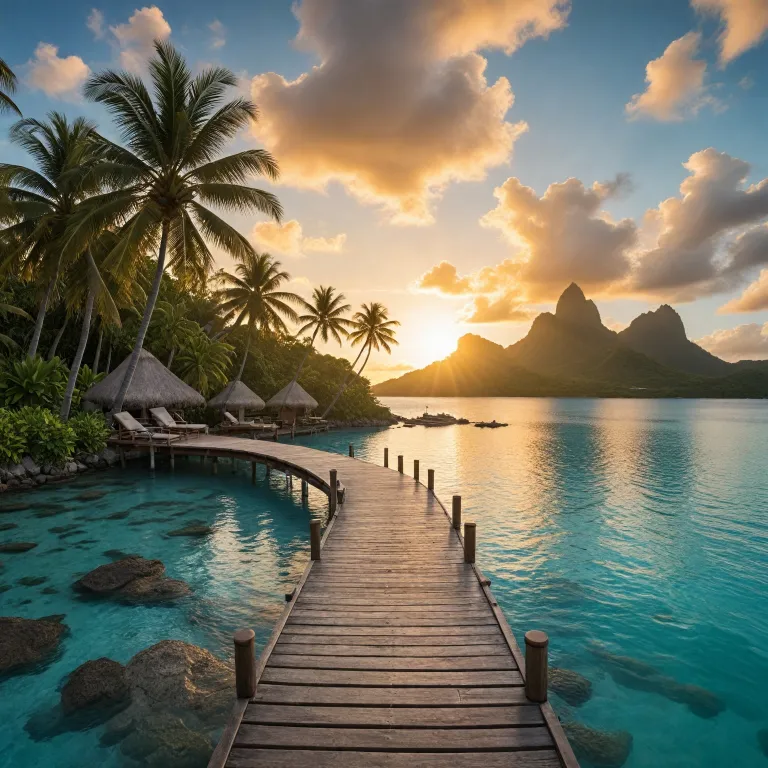
Bora Bora is a compact island in French Polynesia, framed by a turquoise lagoon and the dramatic peak of Mount Otemanu. The island is famous for overwater bungalows, crystal clear waters, and a strong emphasis on privacy and romance, which makes it one of the best choices for honeymooners. By contrast, Fiji is an archipelago of 333 islands, where a Fiji vacation can range from ultra luxury private islands to relaxed family resorts with strong cultural experiences.
Cost is a decisive factor when weighing Bora Bora vs Fiji for many travelers. Average nightly rates in Bora Bora luxury resorts often reach around 1 000 USD, while comparable high end stays in Fiji usually start closer to 500 USD, which can significantly extend your travel budget. This price gap means that Bora Fiji comparisons often come down to whether you prefer fewer nights in an iconic overwater bungalow or more nights exploring several islands.
Climate also plays a role in the Bora vs Fiji decision, especially for lagoon activities. The best season for Bora Bora generally runs from May to October, while Fiji’s driest months tend to cluster between July and September, though both islands enjoy warm temperatures year round. Consider how much rain you are willing to accept, because shoulder periods such as the season in November can offer better rates but slightly more changeable waters and skies.
Lagoon landscapes, overwater bungalows, and marine life
The lagoon is at the heart of the Bora Bora vs Fiji comparison, especially for travelers focused on snorkeling diving and calm waters. Bora’s circular coral reef creates a sheltered lagoon with exceptionally clear waters, ideal for gentle paddleboarding, kayaking, and relaxed swimming straight from overwater bungalows. Many guests choose Bora specifically for the iconic view of Mount Otemanu rising above the lagoon, which frames every luxury experience with a cinematic backdrop.
In Fiji, the marine life is more spread across multiple islands, coral reefs, and outer atolls. You will find superb coral gardens and world class scuba diving, particularly in regions such as the Yasawa and Mamanuca islands, where the South Pacific currents nourish rich ecosystems. However, because Fiji’s islands are more open to the ocean, some beaches have livelier waters than the consistently tranquil lagoon that surrounds Bora.
For travelers comparing Bora Maldives and Fiji Bora combinations, Bora often wins on intimate lagoon scenery, while Fiji excels in varied marine adventures. Bora’s overwater bungalows allow you to slip directly into crystal clear waters, which is ideal for couples who want privacy and easy access to snorkeling diving without boat transfers. Fiji, on the other hand, offers more island hopping options, so you can pair a resort with strong coral reefs with another island focused on sand beaches and cultural experiences.
Dining is another subtle difference in the Bora Bora vs Fiji debate, especially for luxury travelers. Bora, being part of Tahiti and wider French Polynesia, often blends French culinary techniques with Pacific ingredients, which you can experience at renowned fine dining venues such as Villa Mahana in Bora Bora. Fiji leans more toward hearty island cuisine, with lovo earth oven feasts and fresh seafood, though high end resorts also import international chefs for refined menus.
Cultural experiences, hospitality styles, and local life
Beyond the lagoon, Bora Bora vs Fiji comparisons often hinge on how much cultural immersion you want during your travel. Bora, as part of French Polynesia, offers a blend of Polynesian traditions and French influences, visible in language, cuisine, and relaxed yet polished service. You will encounter traditional dance shows, pareo tying demonstrations, and visits to small villages, but the focus remains firmly on the luxury resort experience.
Fiji, by contrast, places cultural experiences at the center of many stays, from village visits to kava ceremonies. The Fijian concept of “bula” hospitality is warm, informal, and family oriented, which many guests from Australia and beyond cite as a highlight of their Fiji vacation. Island hopping in Fiji often includes stops at local schools, markets, and churches, giving travelers a deeper sense of daily life across the islands.
When evaluating Bora Fiji differences, consider how much time you want to spend outside your resort. In Bora, many travelers remain within their overwater bungalows and lagoon facing villas, venturing out mainly for lagoon tours, coral gardens excursions, and occasional trips into Vaitape town. In Fiji, it is more common to combine resort relaxation with guided walks through villages, handicraft markets, and community led activities that support local economies.
Fine dining also reflects these cultural contrasts between Bora Bora vs Fiji. Bora’s connection to Tahiti and France has fostered an elevated culinary scene, with intimate landmarks such as the Villa Mahana restaurant in Bora Bora drawing luxury travelers for multi course tasting menus. Fiji’s resorts increasingly offer sophisticated cuisine, yet many guests still cite the communal atmosphere of shared lovo feasts and kava circles as their most memorable experiences.
Resort styles, overwater stays, and booking strategies
For travelers focused on luxury resorts, the Bora Bora vs Fiji decision often starts with accommodation style. Bora is globally associated with overwater bungalows, where wooden walkways stretch across the lagoon and each villa offers direct access to clear waters. These overwater experiences are designed for privacy, with spacious decks, glass floor panels, and uninterrupted views of the island and Mount Otemanu.
Fiji also offers overwater bungalows in selected resorts, but they are less common and often part of larger island complexes. Many Fiji resorts instead emphasize beachfront villas, hilltop suites, and family friendly layouts, which can be ideal for multi generational travel. This variety means that Fiji Bora comparisons often favor Fiji for groups and families, while Bora tends to attract couples seeking a focused romantic escape.
Booking strategies differ as well, especially when you consider the season in November and other shoulder months. In Bora, rates for overwater bungalows can drop slightly outside the driest season, yet demand remains strong due to limited inventory and the island’s global reputation. In Fiji, a wider range of islands and resorts creates more flexibility, allowing you to balance budget, island hopping plans, and preferred activities such as snorkeling diving or scuba diving.
Travelers who prioritize serenity may lean toward adults only luxury resorts in Bora, where curated experiences focus on spa rituals, private lagoon cruises, and quiet sand beaches. A helpful resource for planning such a stay is this guide to adults only luxury resorts in Bora Bora, which outlines how different properties frame the lagoon and surrounding islands. In Fiji, adults only options exist, but many properties welcome children, creating a livelier atmosphere around pools and shared spaces.
Activities, watersports, and nature focused itineraries
When weighing Bora Bora vs Fiji for activities, think about whether you prefer calm lagoon waters or more varied marine environments. Bora’s lagoon is ideal for gentle kayaking, stand up paddleboarding, and relaxed snorkeling over coral gardens that shelter colorful marine life. Many excursions focus on circling the island by boat, stopping at sand beaches and shallow coral reefs where rays and reef sharks glide through crystal clear waters.
Fiji’s activities are more diverse, thanks to its many islands and outer reefs. You can combine snorkeling diving with world class scuba diving in channels where pelagic species pass, then return to quieter bays for swimming and kayaking. Island hopping itineraries often include hikes to viewpoints, visits to waterfalls, and cultural experiences in villages, which creates a broader mix of land and sea adventures.
For travelers comparing Fiji Bora and Bora Maldives combinations, it helps to map out your priorities. If your dream is to wake in an overwater bungalow and step directly into a sheltered lagoon every day, Bora offers one of the best settings in the South Pacific. If you want a longer Fiji vacation with multiple islands, coral reefs, and more budget flexibility, Fiji’s archipelago structure supports extended travel with varied experiences.
Weather timing also shapes activity planning, particularly around the season in November and other shoulder periods. Both Bora and Fiji sit in the wider South Pacific, so showers can occur at any time, but dry months usually bring calmer waters and better visibility for snorkeling diving. “The best time to visit Bora Bora is during the dry season, from May to October.”
Access, logistics, and regional combinations
Access is another practical element in the Bora Bora vs Fiji decision, especially for travelers from Europe, North America, and Australia. Reaching Bora usually involves an international flight to Tahiti, followed by a short domestic hop to the island’s small airport on the lagoon. Fiji, by contrast, benefits from direct international connections to Nadi from several major hubs, which can simplify travel for those planning multi stop itineraries.
Once you arrive, logistics within each destination feel quite different. Bora’s compact size means that most resorts are either on the main island or on surrounding motu islets, reached by boat transfers across the lagoon. Fiji’s 333 islands require more planning, as island hopping may involve domestic flights, ferries, or private boat charters, but this also allows you to tailor your route around specific coral reefs, sand beaches, and cultural experiences.
Regional combinations can also influence whether you choose Bora or Fiji as your primary destination. Some travelers pair Bora with other parts of French Polynesia, such as Tahiti or Moorea, creating a circuit of islands that share similar lagoon focused scenery and clear waters. Others link Fiji with nearby South Pacific destinations or with Australia and New Zealand, using Fiji as a central hub for a longer travel journey.
When comparing Bora Maldives and Fiji Bora pairings, consider flight routes and time zones as well as budget. Bora often fits naturally into French Polynesia focused itineraries, while Fiji aligns more easily with broader Pacific or Australia based trips. In both cases, planning ahead for transfers, baggage limits on small aircraft, and seasonal weather patterns will help you make the most of your luxury island experiences.
Which destination suits your travel style and budget
Ultimately, the Bora Bora vs Fiji choice comes down to your travel style, budget, and expectations for luxury. If you dream of an intimate island framed by a single lagoon, with overwater bungalows facing Mount Otemanu and a strong emphasis on privacy, Bora delivers a concentrated, high end experience. The trade off is higher nightly rates, which may limit the length of your stay or the range of activities you book.
If you prefer a more flexible Fiji vacation with a mix of islands, coral reefs, and cultural immersion, Fiji offers excellent value and variety. You can combine stays at different resorts, from adults oriented retreats to family friendly properties, while still enjoying clear waters, snorkeling diving, and scuba diving across multiple locations. This makes Fiji particularly appealing for travelers who want to stretch their budget and explore more of the South Pacific.
For many travelers, the ideal solution is to frame Bora Fiji not as rivals, but as complementary destinations to visit at different stages of life. Bora might be the perfect choice for a honeymoon or milestone celebration, when overwater bungalows and fine dining in Tahiti and French Polynesia feel especially meaningful. Fiji, with its welcoming culture and broad range of islands, can then become the setting for longer, more exploratory trips with friends or family.
Whichever island or islands you choose, focus on aligning your plans with the right season, from the driest months to the shoulder season in November. Pay attention to how each destination offers its own blend of natural beauty, marine life, and cultural experiences, then match that to your personal priorities. With thoughtful planning, both Bora and Fiji can deliver some of the best luxury island experiences in the Pacific, each in its own distinctive way.
Key statistics for Bora Bora and Fiji luxury travel
- Bora Bora covers an area of approximately 39 km², which contributes to its intimate island atmosphere and concentrated lagoon setting.
- Fiji consists of around 333 islands, offering extensive options for island hopping and varied resort experiences across the archipelago.
- Average nightly costs in Bora Bora luxury resorts are close to 1 000 USD, reflecting its focus on high end overwater bungalows and exclusive services.
- Comparable luxury stays in Fiji average about 500 USD per night, allowing travelers to extend their trips or combine multiple islands within the same budget.
- Peak visitor periods for Bora Bora generally fall between May and October, while Fiji’s busiest months tend to cluster from July to September.
Frequently asked questions about Bora Bora vs Fiji
Which destination is more budget friendly for a luxury stay ?
Fiji is generally more budget friendly than Bora Bora, even at the luxury level. Average nightly rates in high end Fiji resorts are often about half those in Bora, which means you can usually stay longer or visit multiple islands for the same overall budget. This price difference makes Fiji particularly attractive for travelers who value variety and extended travel time.
What is the best time to visit Bora Bora and Fiji for clear waters ?
The best time to visit Bora Bora is typically during its dry months from May to October, when rainfall is lower and lagoon visibility is excellent. Fiji’s clearest conditions usually occur between July and September, though many travelers also enjoy shoulder periods such as the season in November for fewer crowds and softer prices. In both destinations, planning around these windows will help you enjoy calmer waters for snorkeling diving and other marine activities.
How do cultural experiences differ between Bora Bora and Fiji ?
Bora Bora offers a refined blend of Polynesian and French influences, with cultural experiences often framed through resort based shows, crafts, and excursions. Fiji places local culture at the heart of many stays, from village visits and kava ceremonies to community led tours that highlight daily life across the islands. Travelers who prioritize deep cultural immersion may find Fiji more rewarding, while those seeking a quieter, resort centered atmosphere may prefer Bora.
References : Tahiti Tourisme, Tourism Fiji, Turtle Island Fiji