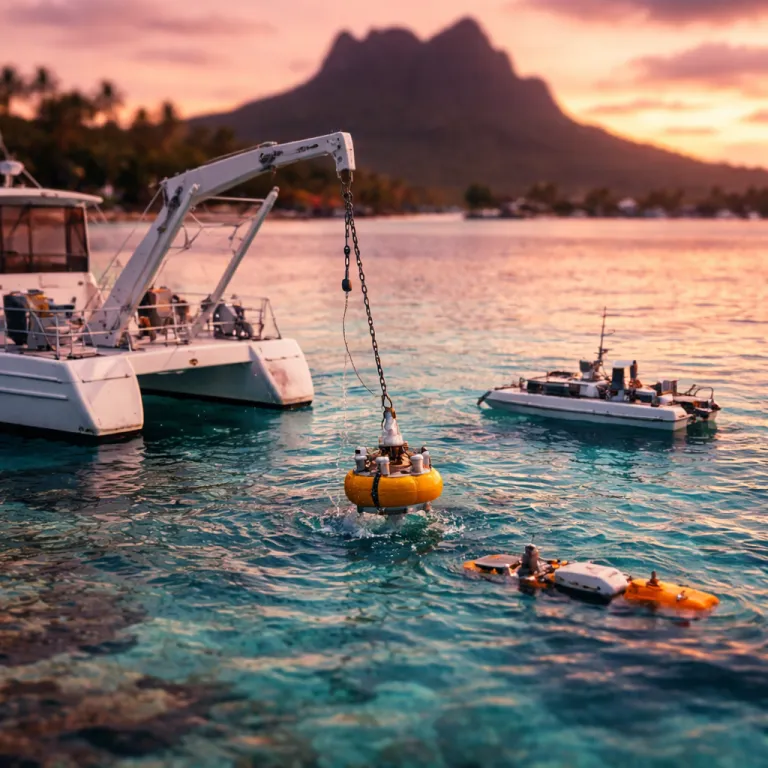
From overwater luxury to lagoon laboratory: what changes for high-end stays
Bora Bora has always sold a dream of stilts, champagne and silence. Now the island is quietly adding something more ambitious to that view across the lagoon: a living laboratory dedicated to a smart offshore marine ecosystem that will sit offshore between Bora Bora and Tupai. For luxury travelers used to polished service and private butlers, this shift toward marine science and climate resilience will reshape what a premium stay on this Polynesian island can mean.
The Smart Offshore Ecosystem is not a single platform but a modular floating infrastructure designed for marine research, eco-tourism and sustainable development. It is led by the Bora Bora Municipality with the French NGO Civilisation Indigo as a core partner, and it aims to make this corner of French Polynesia a reference point for sustainable management of the ocean. Officially, “What is the Smart Offshore Ecosystem?” is answered as “A floating infrastructure for marine research and eco-tourism,” according to the joint project briefs released by the municipality and Civilisation Indigo.
Phase one focuses on applied research, simulation and consultation with local communities, which matters if you care about how your hotel manages water, energy and waste. The project’s methods include artificial reefs, marine energy production and sustainable aquaculture, all of which intersect directly with how resorts source seafood, power overwater villas and protect marine life beneath your deck. For guests, the island’s offshore sustainability programme will move from brochure language to something you can see, measure and even join during your stay.
For a business-leisure traveler extending meetings in Papeete into a few days in Bora Bora, this is more than a sustainability report on a lobby coffee table. It is a chance to stay at a property that participates in marine protected initiatives, contributes to ecosystem services such as coastal protection and fisheries, and engages with French Polynesian scientists on climate change adaptation. When you choose a resort aligned with the Smart Offshore Ecosystem, you are effectively voting for a blue economy model that keeps the lagoon liveable for future generations.
High-end properties are already repositioning around this future, especially those with strong European and North American clientele who expect credible climate action. Some are integrating renewable energy pilots, from solar rafts to current-based turbines, that plug into the broader vision of energy sufficiency for the island. Others are rethinking water management systems, capturing rainwater and reusing grey water so that every plunge pool and infinity edge respects the limits of a fragile Pacific atoll.
On stay-in-bora-bora.com, we now evaluate luxury hotels not only on service, design and privacy, but also on how seriously they engage with this lagoon-wide sustainability agenda. A property that supports marine research, funds coral reef restoration and opens its docks to scientists earns a different kind of prestige. When you browse our curated selection, look for clear references to sustainable management, partnerships with local communities and transparent climate strategies rather than vague green slogans.
One practical example sits in the western lagoon, where the Conrad Bora Bora Nui sunset overwater villas now frame a panoramic view of the open Pacific and the future offshore zone. From these decks you can literally watch the ocean that will host floating research modules, marine protected corridors and underwater eco-tourism facilities. Choosing such a vantage point turns your stay into a front-row seat on how French Polynesia is rewriting the relationship between luxury and responsibility.
Behind the scenes, sustainable management of energy and water is becoming a competitive differentiator between high-end resorts. Properties that align with the programme in French known locally as the “programme français pour un écosystème offshore intelligent” are more likely to attract discerning guests who read beyond glossy brochures. For executives used to ESG dashboards and climate risk reports, this alignment between island development, tourism strategy and marine science feels not only ethical but also intellectually satisfying.
Polynesian ocean heritage meets climate science: how guests can engage
The Smart Offshore Ecosystem is not being built in a cultural vacuum; it is anchored in centuries of Polynesian ocean knowledge. Long before French administration and European charts, navigators from what we now call Bora Bora and the wider Polynesian triangle read swells, stars and birds to cross the Pacific without instruments. That same relationship between people, marine life and the open ocean now informs how the island thinks about climate resilience and eco-tourism for the next century.
Local communities are central to the project’s design, from fishermen on Vaitape’s quay to guides who know every coral reef by heart. Consultation rounds with these local communities are not a box-ticking exercise but a way to ensure that ecosystem services such as fisheries, coastal protection and cultural identity are preserved. When you book a lagoon excursion or a private motu lunch, you are entering this living conversation between traditional practice and new forms of sustainable development.
For guests, the smart offshore marine initiative will become tangible through curated experiences that blend science, culture and pleasure. Expect guided visits to floating research modules where French Polynesian scientists explain how marine carbon capture works and why marine protected corridors matter for manta rays and reef sharks. You might join a small group to monitor water quality, learning how advanced water systems on the platform support both aquaculture and tourism without compromising the lagoon.
One of the most powerful ways to engage is through encounters with marine life that are framed by science rather than spectacle. Our in-depth guide to swimming with mantas in Bora Bora already highlights operators who respect marine protected guidelines and collaborate with researchers. As the Smart Offshore Ecosystem matures, expect more excursions where your guide carries a tablet with live data, turning each snorkel into a moving field seminar on climate change and the blue economy.
The cultural layer matters as much as the scientific one, especially for travelers who want more than a generic resort experience. Some projects draw inspiration from the concept of “Civilisation Indigo” or indigo civilization, a poetic way to describe a society that lives in balance with the deep blue ocean. When you attend an evening talk by a local elder or a French Polynesian marine biologist, you are hearing how this indigo civilization adapts to rising seas, shifting fish stocks and the pressures of global tourism.
For business-leisure guests, these experiences can be structured as private briefings or tailored lagoon tours that fit between video calls and sunset cocktails. Imagine a morning spent with a research équipe explaining how renewable energy devices on the platform feed into island grids, followed by an afternoon strategy session back at your villa. The line between leisure and learning blurs, and the island’s offshore sustainability work becomes part of your own professional narrative about climate risk and opportunity.
Crucially, this is not eco-tourism as guilt trip but as informed pleasure. You still glide across glassy water in a sleek outrigger, but your guide now points out how sustainable management of fisheries keeps the lagoon stocked for both local families and resort restaurants. You still toast the view of Mount Otemanu, yet you also understand how French Polynesia positions itself within Pacific climate negotiations and European funding streams for the blue economy.
As the project advances toward its 2035 deployment target, expect more structured educational programmes in both French and English. These may include short executive-style modules on climate change adaptation, tailored for leaders who want to brief their teams back home with first-hand Pacific insights. In that sense, Bora Bora becomes not only a retreat but a discreet classroom on how small islands experiment with sustainable development for future generations.
Hidden sustainable gems: where luxury hotels quietly lead the lagoon transition
Beyond the headline resorts, Bora Bora hides a series of quiet pioneers that have embodied smart lagoon stewardship long before the term reached municipal reports. These are not always the most Instagrammed addresses, but they are often the most serious about sustainable management of energy, water and waste. For travelers who care about climate and community as much as thread count, these hidden gems are where the island’s future is being rehearsed.
Several lagoon-facing properties on the eastern motu chain have partnered with coral gardeners and marine biologists to restore damaged reef sections. Our feature on coral gardeners in Bora Bora shows how guests can adopt coral fragments, join planting dives and track growth over time. This is ecosystem services in action: the coral reef protects villas from swells, hosts marine life for snorkeling and underpins the entire tourism economy.
Some of these properties work directly with the Bora Bora Municipality and Civilisation Indigo to pilot technologies that will later scale to the offshore platform. Floating solar arrays tucked behind service docks, discreet current turbines beneath jetties and advanced water management systems that recycle grey water into lush gardens all feed data into the broader French programme. When you choose such a property, you are effectively beta-testing the future of Pacific island hospitality.
Hidden gems also excel at integrating local communities into their operations in ways that go beyond token dance shows. Chefs source lagoon fish from specific families, with transparent quotas that respect marine protected guidelines and climate change projections for stocks. Spa menus incorporate traditional Polynesian ingredients grown on nearby motu, supporting small-scale development while reducing the carbon footprint of imported products.
One property on the less trafficked side of the island has become a quiet hub for European and French Polynesian researchers who rotate through for fieldwork. Guests might share a breakfast view with a marine scientist analyzing a report on ocean acidification or a policy expert drafting recommendations on blue economy finance. This proximity turns casual conversations into impromptu seminars on energy sufficiency, renewable energy and sustainable development in small island states.
Another under-the-radar address works with a French expert named Frédéric Pons, who advises on sustainable management of coastal infrastructure and ecosystem services. His work helps resorts design jetties, seawalls and overwater structures that respect currents, sediment flows and marine life habitats. When your villa stands on such carefully planned stilts, the lagoon beneath remains alive for future generations rather than becoming a sterile swimming pool.
These properties rarely shout about their contribution to Bora Bora’s smart offshore vision in marketing copy, yet their practices often exceed those of more famous brands. They publish clear environmental data, engage in independent audits and share results with local communities and municipal planners. For a business-leisure traveler used to reading ESG reports, this level of transparency feels familiar and reassuring.
When you plan your stay through stay-in-bora-bora.com, look for signals that a hotel is part of this quiet vanguard. Ask whether they collaborate with Civilisation Indigo, participate in marine protected initiatives or contribute to municipal climate change adaptation plans. The most interesting answer is often a modest yes, followed by an invitation to see the coral nursery, the water treatment plant or the small lab where lagoon samples are analyzed.
Booking with intent: how to align your stay with Bora Bora’s marine future
Choosing a hotel in Bora Bora has always been an exercise in taste, budget and privacy. Now it is also a decision about which version of the island’s future you want to fund, especially as the smart offshore marine project moves from concept to construction. For executives used to aligning portfolios with ESG criteria, this is an opportunity to extend that discipline to personal travel.
Start by reading beyond the usual sustainability badges on hotel websites and asking precise questions before you book. Does the property participate in the Smart Offshore Ecosystem consultations with the Bora Bora Municipality and local communities, or is it merely observing from the sidelines? How does it handle water management, from sourcing and treatment to reuse, and what share of its energy mix comes from renewable energy rather than imported diesel?
Look for explicit references to marine protected initiatives, coral reef restoration and partnerships with French Polynesian or European research institutions. A serious property will be able to point to specific projects, such as funding artificial reefs, hosting marine life monitoring teams or contributing to reports on climate change impacts in French Polynesia. These details matter more than generic claims about being green or sustainable.
When you arrive, pay attention to how the hotel frames its relationship with the lagoon and local communities. Are excursions run by independent local operators who understand ecosystem services and sustainable development, or by volume-driven outfits that chase dolphins too closely and anchor on coral? Does the property offer briefings on climate change, blue economy strategies and the Smart Offshore Ecosystem, or does it treat the ocean as mere backdrop for cocktails?
For business-leisure travelers, there is also the question of how to integrate learning into a tight schedule without sacrificing rest. Consider booking a half-day visit to the future offshore zone or to partner labs on the main island, framed as a private seminar on Pacific climate resilience. You return to your villa with a sharper understanding of energy sufficiency, sustainable management and the role of French Polynesia in global ocean governance.
Financially, your choices send signals that go beyond a single stay. When high-value guests consistently favor properties aligned with Bora Bora’s smart offshore vision, investors and operators notice and adjust development strategies. Over time, this can shift capital toward projects that respect marine life, support local communities and prepare the island for sea-level rise rather than those that simply maximize room count.
There is also a personal dimension that many executives underestimate until they stand on a quiet motu at dusk. Watching the Pacific darken around you, knowing that a few kilometers offshore a floating platform will soon host scientists, students and eco-tourists, reframes the meaning of luxury. It becomes less about isolation from the world and more about engaging with one of its most fragile frontiers in a thoughtful, informed way.
As the Smart Offshore Ecosystem moves toward its projected full deployment in 2035 with an expected capacity of around 300 people at any given time, Bora Bora is effectively betting its brand on being a model of resilient, sustainable living. That bet will only pay off if visitors, especially those at the top end of the market, choose hotels and experiences that align with this vision. Booking with intent is how you ensure that the lagoon view you enjoy today remains possible for future generations who will call this Polynesian island home.
Key figures shaping Bora Bora’s smart offshore marine future
- The Smart Offshore Ecosystem is planned as a long-term project with research starting in 2026, prototype development by 2028 and full deployment targeted for 2035, positioning Bora Bora as a Pacific reference point for climate resilience and marine innovation (Civilisation Indigo, project timeline; Bora Bora Municipality, strategic vision documents).
- At full capacity, the floating infrastructure is expected to host around 300 people at a time, including researchers, eco-tourists and technical staff, creating a new layer of high-value tourism and employment beyond traditional resort stays (Civilisation Indigo, capacity projections shared in public presentations).
- Bora Bora’s municipal vision aligns with French Polynesia’s broader goal of achieving carbon neutrality by mid-century, which requires a rapid increase in renewable energy use and energy sufficiency across islands that currently depend heavily on imported fossil fuels (French Polynesian energy transition strategies and regional policy papers).
- The Smart Offshore Ecosystem combines floating infrastructure, artificial reefs, marine carbon capture and underwater eco-tourism facilities to deliver ecosystem services such as coastal protection, fisheries support and climate change mitigation in a single integrated platform (Bora Bora Municipality and Civilisation Indigo project briefs and technical notes).
- Rising sea levels and warming oceans driven by global climate change are already affecting coral reef health and coastal infrastructure across French Polynesia, making projects that link sustainable development, blue economy growth and marine protected areas critical for future generations (regional climate impact assessments and scientific reports cited by local authorities).