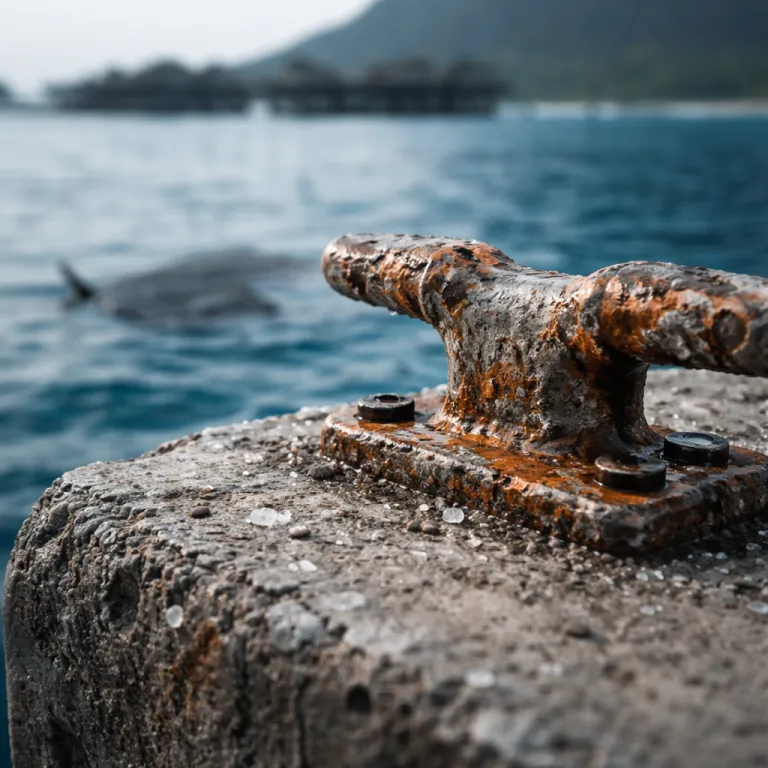
Why manta ray encounters define a luxury Bora Bora lagoon stay
Manta encounters in Bora Bora’s lagoon are often the moment travelers remember long after overwater check out. In a destination where every Bora Bora resort promises turquoise water and rays beneath your deck, understanding how manta rays actually use the Bora Bora lagoon ecosystem separates a postcard stay from a genuinely rare experience. Reef manta rays glide along the outer reef and into channels near Anau, and they return to specific coral gardens where cleaning fish and plankton rich currents meet.
For a solo explorer choosing a luxury hotel, the real upgrade is not just the villa but the access to the right lagoon tour at the right time of day. High end properties on the eastern side of the Bora Bora lagoon shorten boat transfers to the manta cleaning stations, which matters when you are chasing the best snorkeling light at first or last rays of sun. When you book, ask the concierge which local guide they partner with for targeted manta ray snorkeling tours rather than generic lagoon cruises that focus mainly on sting rays and shark feeding stops.
Marine biologists working in French Polynesia have identified more than one thousand individual reef manta rays across the Society Islands, and that catalog underpins the more conservation minded snorkeling tour options. Research coordinated through the Manta Trust and local projects such as the Polynesian Manta Catalog confirms that reef mantas are harmless filter feeders that pose no danger to humans and can be seen year round in suitable conditions. Luxury travelers increasingly expect this kind of science based context from their lagoon tour guide, and the best operators now weave conservation, identification photos, and basic manta behavior into every briefing.
Full day lagoon tours versus focused manta ray outings
Most five star hotels will first suggest a classic full day lagoon tour, which usually combines three water stops with a motu lunch and live music. These lagoon tours can be a relaxed way to sample Bora Bora snorkeling, meet eagle rays and sting rays in shallow water, and drift over coral gardens with a group, but they are not designed around manta behavior or currents. If your priority is a manta encounter in the Bora Bora lagoon, you need to understand exactly how the itinerary, group size, and timing affect your chances.
On a full day group tour, the boat often visits a coral garden, a shark and rays site, then a sandbank before lunch, and only some operators add a manta stop near the outer reef. The experience can still deliver some of the best snorkeling in the Bora Bora lagoon, especially around sheltered coral gardens where marine life is dense and the water is calm. Yet with twenty people in the water and a fixed schedule, the guide has little flexibility to wait for manta rays or adjust to changing visibility, which matters when clouds roll over Mount Otemanu.
By contrast, a targeted half day private tour or small group tour can leave at first light, head straight to the manta cleaning station at Anau, and then choose a second stop at a quieter coral garden if conditions change. For solo travelers staying at properties highlighted in this guide to pink sand and lagoon facing luxury stays, this kind of focused snorkeling tour often pairs better with a slow afternoon on your deck. When you book, ask whether the operator uses a private boat for manta searches or combines guests from several hotels into one larger cruise, because that single detail reshapes the entire day on the water.
Timing, seasons and the coral gardens mantas return to
Reef manta rays move through the Bora Bora lagoon following food, cleaning stations, and subtle shifts in current, which means timing your tour matters more than the hotel brochure suggests. Operators report sightings in both morning and afternoon, yet early departures often find calmer water, fewer boats, and rays circling cleaning bommies before traffic builds. For a Bora Bora manta snorkeling focused stay, plan at least two different days on the water to hedge against weather and visibility changes.
The most reliable manta sites sit near the outer reef by Anau, where channels funnel plankton rich water into the lagoon and over specific coral gardens. These coral garden zones act as underwater spas, with cleaner fish picking parasites from manta rays, eagle rays, and sometimes even turtles, which is why the same individuals return again and again. A skilled local guide will position the boat up current, brief the group on how to enter quietly, and then let you drift above the reef without chasing the animals, which keeps the experience calm and respectful.
Seasonality in Bora Bora is more about swell, rain, and wind than strict manta migration, so luxury travelers should think in terms of flexibility rather than a single perfect month. If you can, book a mix of one half day private tour and one full day lagoon tour, so you experience both the focused manta search and the broader marine life circuit with coral gardens, sting rays, and reef sharks. For up to date insights on which side of the island currently offers the calmest water and clearest visibility, cross check with recent property reports such as this overview of renovations reshaping the luxury map, because new jetties and marinas can subtly change local boat routes.
Choosing between private boats and curated group tours
For solo explorers booking high end stays, the real manta decision in the Bora Bora lagoon is not whether to go, but whether to share the boat. A private boat with a dedicated guide offers total control over timing, entry points, and how long you linger at each reef, which is ideal if you are serious about underwater photography or simply prefer silence. The trade off is cost, so it pays to understand what you gain and what you lose compared with a well run group tour.
On a curated small group tour, you might share the lagoon tour with six to ten guests, which keeps the price reasonable while still allowing the guide to adapt to manta rays, eagle rays, and changing currents. Many luxury friendly operators cap numbers well below mass market cruises, and they often include high quality snorkeling equipment, reef safe sunscreen, and dry towels on board. These lagoon tours can feel sociable without being chaotic, and they still reach the same coral garden and outer reef sites as private options, especially when the captain knows how to stagger stops away from the biggest boats.
Private tours shine when conditions are marginal or when you want to combine manta searches with less common stops such as quiet coral gardens behind your specific Bora Bora resort. With a private boat, the captain can shift from manta ray cleaning stations to sheltered bays for relaxed Bora Bora snorkeling, or extend a half day into a longer cruise if the marine life is exceptional. If you are staying at a property with strong lagoon facing facilities, such as those featured in this review of sunset overwater villas and private lagoon access, ask the concierge to match you with a captain who regularly works with underwater photographers rather than generic sightseeing groups.
Gear, safety and eco conscious choices for manta focused stays
Every manta focused Bora Bora lagoon outing starts with gear, and the details matter more than most hotel websites admit. Top tier operators provide well maintained snorkeling equipment in multiple sizes, but if you have a narrow face or wear optical lenses, bringing your own mask can transform the experience. A comfortable fit lets you relax into the slow ballet of manta rays and other marine life instead of constantly clearing water from your mask.
Safety on the water is straightforward when you choose reputable local operators who brief the group clearly before each snorkeling tour. Look for captains who explain currents, entry techniques, and how to behave around sting rays, reef sharks, and eagle rays gliding below you, because calm guests make for calmer wildlife. Eco conscious guides will also insist on reef safe sunscreen, no touching of coral or animals, and a respectful distance from cleaning stations, which protects both the reef and the long term quality of lagoon tours.
From a sustainability perspective, manta focused travelers should favor lagoon tour companies that limit group size, avoid feeding wildlife, and support research projects in the Bora Bora lagoon. Some operators share identification photos with marine biologists tracking individual manta rays, turning each day on the boat into a small contribution to science and conservation. When you book through a luxury hotel, ask explicitly whether the cruise partner follows eco friendly practices and whether part of your fee supports coral garden restoration or manta monitoring, because that is where a premium price can genuinely improve lagoon life rather than just the champagne on board.
FAQ
Do I need to be an experienced swimmer to join a manta tour ?
Most manta focused snorkeling tours in Bora Bora welcome beginners, and operators provide flotation vests or noodles for extra support. You should feel comfortable in deep water with a mask and snorkel, but you do not need freediving skills. If you are nervous, choose a small group tour or private boat so the guide can stay close and adjust the pace to your comfort level.
Are manta ray encounters guaranteed on Bora Bora lagoon tours ?
No operator can guarantee manta sightings, because reef manta rays are wild animals that move with currents and food availability. Booking at least two different days on the water, ideally one half day private tour and one full day lagoon tour, significantly improves your chances. Choosing companies that focus on manta behavior and leave early in the day also helps, because they reach cleaning stations before the main boat traffic.
What is the difference between manta rays, eagle rays and sting rays ?
Manta rays are large filter feeders that glide through open water with wide wingspans and no stinger, while eagle rays are smaller, more patterned, and often seen flying just above the reef. Sting rays rest on sandy bottoms and have a barbed tail, which is why guides brief guests carefully on how to move around them. In Bora Bora, a single lagoon tour can include all three species, offering a varied view of the lagoon ecosystem.
Can I see manta rays directly from my overwater villa ?
It is possible but not reliable to see manta rays from an overwater deck, because they usually prefer deeper channels and outer reef cleaning stations. Guests are more likely to spot sting rays, eagle rays, and reef sharks cruising beneath their bungalows in the Bora Bora lagoon. For a realistic chance of a manta encounter in the Bora Bora lagoon, you still need a dedicated snorkeling tour or dive with a local guide.
How far in advance should I book manta focused lagoon tours ?
Luxury friendly lagoon tours with small group sizes and experienced guides often sell out several days in advance during peak travel periods. To secure a preferred departure time and the right balance between group tour and private boat options, reserve your manta excursions when you book your hotel or at least a week before arrival. This early planning gives your concierge more flexibility to match you with operators who prioritize marine life welfare and high quality snorkeling equipment.