Reef-safe sunscreen Bora Bora rules every luxury traveler should know
On Bora Bora, the lagoon is the main event and the strictest host. Local environmental guidance now expects visitors to follow practical reef-safe sunscreen Bora Bora rules that begin before you even zip your suitcase. For families booking premium overwater stays, understanding how safe sunscreen choices affect coral reefs is as essential as choosing the right room category.
When you swim in warm lagoon water, whatever sunscreen you wear rinses off your skin. Those invisible plumes drift across living coral, and certain chemicals such as sunscreens with oxybenzone and octinoxate can damage coral at astonishingly low concentrations. Laboratory work published in journals such as Archives of Environmental Contamination and Toxicology has linked these filters to coral bleaching, DNA damage and deformities in coral larvae, which is why many high-end resorts now brief guests on which mineral sunscreens are genuinely reef-friendly and which glossy bottles to avoid.
Reef-safe in Bora Bora generally means choosing mineral-based formulas that rely on zinc oxide or titanium dioxide as active filters. These safe mineral ingredients sit on the surface, reflect the sun and are far less harmful to marine life than common chemical filters. Look for products clearly labeled reef-safe or labeled reef-friendly, then check that they exclude sunscreens with oxybenzone or octinoxate even if the packaging feels reassuringly premium.
For parents, the goal is simple: you want something that protects skin, respects reefs and feels pleasant enough that children will actually wear it. Modern mineral sunscreens can be surprisingly lightweight, especially those designed for sensitive skin and for sunscreen swimming sessions in salt water. Pack enough for several days, because local shops on Bora may have limited eco-friendly options or sell out during peak holiday periods.
Most luxury hotels now mention reef-safe sunscreen Bora Bora rules in pre-arrival emails or at check-in. Some properties even provide complimentary safe sunscreen at the beach club, though the selection may not suit every skin tone or texture. On Bora Bora, for example, several five-star resorts now stock mineral lotions at activity desks and on snorkel boats. Treat those amenities as a backup, not your primary sun protection plan, and arrive with products you have tested at home.
How sunscreen ingredients interact with Bora Bora’s coral reefs
Coral in Bora Bora’s lagoon is not scenery; it is infrastructure, nursery and storm barrier in one intricate reef. When thousands of visitors apply sunscreen every day, the cumulative chemical load can stress coral reefs already challenged by warming water. That is why reef-safe sunscreen Bora Bora rules focus so heavily on what washes off during each boat excursion or snorkeling session.
Oxybenzone and octinoxate are the two most scrutinized filters, often written together as oxybenzone octinoxate on ingredient lists. Research has shown that these compounds can damage coral DNA, disrupt reproduction and increase bleaching, even when concentrations in water are extremely low. A widely cited study on Hawaiian reefs estimated that popular bays received several kilograms of sunscreen chemicals per day during peak season, and in a shallow lagoon where circulation is gentle and tours often repeat the same routes, those effects can quietly accumulate around popular snorkeling reefs.
Mineral-based alternatives behave differently in the water and around marine life. Safe mineral filters such as non-nano zinc oxide are less soluble, less bioactive and far less likely to penetrate coral tissue or fish gills. When a product is labeled reef-safe or marketed as reef-friendly, it should rely on these mineral sunscreens rather than a cocktail of sunscreens with oxybenzone octinoxate hidden lower down the list.
Families often worry that mineral sunscreens will feel heavy or leave a chalky cast during a long day at the beach. Newer lightweight formulas spread more easily, especially when applied over moisturized skin and allowed to set before sunscreen swimming or paddleboarding. The key is to apply generously, reapply sunscreen every two hours and after each dip, and accept a slight sheen as the price of serious sun protection for both skin and reef.
Luxury hotels on Bora are increasingly explicit about these expectations, especially for guests joining guided snorkeling tours or private lagoon cruises. Some operators now brief guests on safe sunscreen use alongside safety instructions for fins and life jackets. In French Polynesia, regional guidance from the Ministry of the Environment and local marine protected area managers encourages reef-friendly practices, so if your chosen property highlights how Bora Bora hotels manage waste and chemicals on an island with no landfill, you can expect them to care just as much about what guests wear into the water.
Beyond sunscreen: packing for reef friendly days on the lagoon
Even the best safe sunscreen is only one part of reef-safe sunscreen Bora Bora rules. The most effective way to protect skin and protect coral reefs is to reduce how much product you need in the first place. That is where clothing, timing and simple family habits come in.
Start with UV-rated rash guards for every member of the family, especially children who spend hours in the water. A long-sleeved, lightweight top instantly cuts the surface area that needs mineral-based sunscreen, which means less product rinsing into the lagoon during each snorkeling tour. Pair that with a wide-brimmed hat and UV swim leggings, and you have turned your body into a mostly covered, reef-friendly silhouette.
Choose pale or mid-toned fabrics that stay cooler in the sun and dry quickly between swims. For a full day on a boat or at a private motu beach, pack two rash guards per person so you can change into a dry one after lunch. Many luxury resorts now stock stylish options in their boutiques, but sizing and cuts may be limited, so it is safer to arrive with pieces you know your family will wear without complaint.
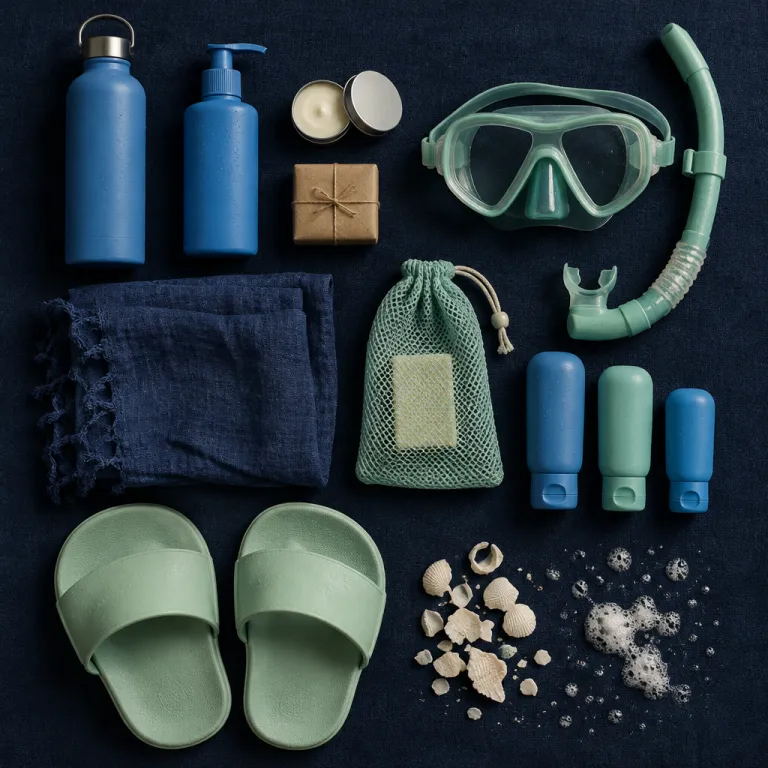
Beyond clothing, think about every product that might enter the water during your stay. Shampoos, conditioners and body washes can also damage coral and marine life when used in outdoor showers or on the beach, so look for eco-friendly, biodegradable formulas in travel sizes. If a product is labeled reef-safe or clearly states that it is suitable for sunscreen reef environments, that is a useful bonus, but always cross-check the ingredient list for harsh preservatives or unnecessary fragrances.
Many of Bora Bora’s most forward-thinking properties now position themselves as luxury eco resorts with sustainability woven into design and operations. When you read about Bora Bora luxury eco resorts and their approach to sustainable elegance, pay attention to how they talk about water systems, greywater treatment and guest amenities. A resort that invests in these back-of-house systems is more likely to provide genuinely safe mineral toiletries, offer refillable dispensers instead of single-use plastics and brief guests on responsible lagoon etiquette.
On the water: how to be a safe guest for coral and marine life
Once you are on the lagoon, reef-safe sunscreen Bora Bora rules expand into a broader code of conduct. The way you move, where you stand and how your guide handles the boat all influence whether your presence is neutral or harmful. Luxury travel here is no longer just about private decks and champagne; it is about being a safe guest in a fragile ecosystem.
First principle: never touch, stand on or kick coral, even if it looks like rock. Coral is living tissue, and a single misplaced fin can damage coral that has taken decades to grow, especially on shallow snorkeling reefs used by multiple tours each day. Teach children to float horizontally, keep their feet up and use slow, deliberate kicks so they glide above the reef rather than ploughing through it.
Choose operators who run small group excursions and who clearly brief guests on lagoon etiquette before anyone enters the water. A good guide will anchor in sand, not on coral, and will position the boat so currents carry you away from delicate coral reefs rather than over them. During the tour, keep a respectful distance from turtles, rays and sharks, letting marine life approach you rather than chasing them for the perfect photograph.
On the beach, avoid feeding fish or tossing food scraps into the shallows, which can alter natural behaviour and attract aggressive species. Use reusable water bottles instead of single-use plastic, and keep towels, toys and bags well away from the high tide line so nothing blows into the lagoon. When you return to your resort, rinse gear in designated areas where greywater is treated, rather than under overwater bungalows where runoff can flow straight into the sea.
Many high-end properties now train their équipes to act as informal reef guardians, from activity staff to concierges arranging private charters. When you read recent Westin Bora Bora reviews about refined lagoon escapes, notice how often guests mention thoughtful briefings on reef-safe behaviour and respectful wildlife encounters. Those details signal a property that understands luxury and responsibility are now inseparable on this island.
Family checklists: turning reef rules into easy packing decisions
For families booking premium stays, the most practical way to follow reef-safe sunscreen Bora Bora rules is to turn them into a simple checklist. Think of it as a packing script that ensures everyone is both sun safe and reef safe without last minute stress. A little structure before you leave home means more relaxed days once you reach the lagoon.
Start with sun protection essentials for each person: one broad-spectrum, mineral-based sunscreen labeled reef-safe, one long-sleeved rash guard, one hat and one pair of UV sunglasses. For adults and older children, choose a lightweight, non-greasy formula that protects skin during both beach time and sunscreen swimming in the pool or lagoon. For younger children or anyone with sensitive skin, prioritise fragrance-free, safe mineral options with zinc oxide as the primary filter, and test them on a small patch of skin before the trip.
Next, plan for how often you will need to reapply sunscreen during long days outdoors. A rule of thumb is to reapply sunscreen every two hours, and after each swim, snorkel or towel dry, even if the product claims to be water resistant. For a family of four spending several days on Bora, that can mean packing multiple full-size bottles to avoid running out or being tempted by less reef-friendly options in local shops.
Round out your eco-friendly kit with reusable water bottles, a small dry bag for keeping reef-safe products on the boat and a mesh bag for sandy toys that need rinsing in designated areas. Include a printed or digital note for children explaining why the lagoon’s reefs matter, using simple language about fish homes, coral gardens and how safe sunscreen helps marine life. When rules are framed as a way to help the animals they will meet while snorkeling, children are far more likely to remind you to follow them.
Finally, choose hotels and operators whose values match your own, especially if sustainability is a priority alongside comfort. Read property descriptions carefully and look for clear policies on reef-safe amenities, water management and wildlife interactions, not just vague green language. On stay-in-bora-bora.com, we highlight properties where sustainability is woven into service, so your choice of hotel becomes part of the solution rather than part of the problem.
FAQ
Are reef safe sunscreens really required in Bora Bora?
Local environmental guidance in Bora Bora strongly encourages the use of reef-safe sunscreen, especially in and around the lagoon. While enforcement varies between communes and marine zones, many luxury hotels and tour operators now treat reef-safe sunscreen Bora Bora rules as standard practice. Expect to be briefed on safe sunscreen use before snorkeling tours and sometimes at check-in, particularly in areas managed as marine reserves or sensitive coral gardens.
What ingredients should I avoid in sunscreen for Bora Bora?
When packing for Bora Bora, avoid sunscreens that list oxybenzone and octinoxate among their active ingredients. These chemical filters, often grouped as oxybenzone octinoxate, have been linked to coral bleaching and other forms of damage coral in sensitive reef systems. Instead, choose mineral sunscreens that rely on zinc oxide or titanium dioxide and are clearly labeled reef-safe or reef-friendly.
How much reef safe sunscreen should a family bring?
For a family of four spending several days on Bora, plan on at least one full-size bottle of safe mineral sunscreen per person. This allows you to apply generously and reapply sunscreen every two hours and after each swim without rationing. Bringing your own supply also ensures you have formulas that suit your skin type and texture preferences.
Can I rely on my hotel to provide reef safe products?
Many high-end resorts now offer complimentary reef-safe sunscreen at pools or beach clubs, and some stock eco-friendly toiletries in rooms. However, selections can be limited, and not every product labeled reef-safe will suit sensitive skin or personal preferences. Treat hotel offerings as a backup and arrive with mineral-based products you have already tested.
What is the simplest reef friendly swap for families?
The easiest reef-friendly change is to use UV protective clothing so you need less sunscreen overall. Long-sleeved rash guards, hats and swim leggings reduce the amount of product that can wash into the water during snorkeling or boat excursions. Combined with a good mineral-based sunscreen for exposed areas, this approach keeps both your family and Bora Bora’s coral reefs safer.