The hidden infrastructure behind bora bora hotel waste management sustainability
Bora Bora looks effortless from an overwater bungalow, but its waste chain is anything but simple. On an atoll with almost no spare land, bora bora hotel waste management sustainability depends on a tight partnership between each luxury resort, the Bora Bora Municipality, and ENVIROPOL. Every bag of rubbish, every litre of drinking water, and every kilowatt of energy is tracked because there is no anonymous landfill waiting over the hill.
The municipality oversees door to door collection while ENVIROPOL handles transport, sorting, and specialist processing, so a single resort in Bora or several resorts together can coordinate pickups and reporting. This shared management system allows hotels to align their own eco initiatives with island wide sustainability goals, reducing environmental impact while maintaining the level of service guests expect. When you book a high end resort bora stay, you are effectively buying into a complex environmental management network designed to protect environment standards without compromising comfort.
For travelers comparing one bora resort with another, the most meaningful sustainability questions are practical rather than poetic. Ask how the hotel handles waste management and water management on site, and whether it issues a public sustainability report or at least shares data with the local community. The properties that treat bora bora hotel waste management sustainability as core strategy, not marketing, will be transparent about waste reduction, greenhouse gas emissions, and the ways they are reusing recycling streams to limit long distance shipping.
Where waste goes when there is no landfill
On this small corner of French Polynesia, the absence of a conventional landfill forces creativity. Bora Bora hotels manage waste through collection, recycling, and composting. They use composting, recycling, and export certain wastes.
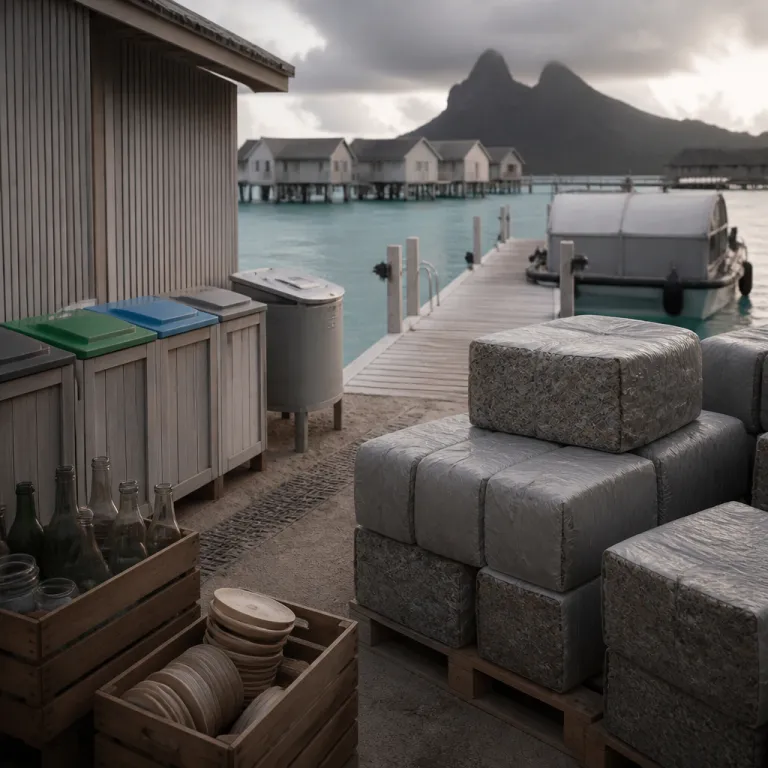
Door to door collection reaches each resort bora pier, where sorted bags of waste are transferred to ENVIROPOL for processing, and glass bottles from hotel bars are crushed into sand for construction use instead of being buried. Organic food waste from breakfast buffets and fine dining kitchens is separated, then composted to feed ornamental plants and kitchen gardens that soften the built environment. Certain hazardous streams, such as used oils from generators or spa equipment, are exported off island for specialist recycling, which reduces local environmental risk but increases transport related gas emissions that hotels now factor into their sustainability calculations.
This is where bora bora hotel waste management sustainability becomes visible in daily operations rather than policy documents. A resort that invests in clear in room sorting bins, staff training, and regular internal report reviews will send less mixed waste off island and more material into reusing recycling loops. When you see gardeners spreading dark compost beneath hibiscus plants or around young coconut trees, you are looking at yesterday’s food waste transformed into a resource that helps protect environment quality and supports sustainable development on limited land.
For a deeper look at how high end properties balance eco friendly design with comfort, our guide to luxury eco resorts on Bora Bora compares specific initiatives across several leading hotels. It highlights which resort bora addresses waste management and energy efficiency as part of a broader environmental strategy rather than a stand alone project. Use that lens when you evaluate any new property promising sustainable luxury in Bora or elsewhere in French Polynesia.
Water, energy and the environmental cost of comfort
Water defines Bora Bora, from the lagoon beneath your overwater bungalow to the cold ocean depths that cool certain resorts. InterContinental Bora Bora Resort & Thalasso Spa uses deep ocean cold water for air conditioning, reducing energy consumption while maintaining the chilled interiors business travelers expect after a long flight. This kind of system sits at the heart of bora bora hotel waste management sustainability because it cuts greenhouse gas emissions at scale without asking guests to sacrifice comfort.
Across the island, water management is as critical as waste management, since every litre of drinking water must be produced, stored, and protected from contamination. Many properties rely on a mix of desalination and rainwater capture, then treat greywater for irrigation so that lawns and tropical plants stay green without draining potable supplies. Four Seasons Resort Bora Bora, for example, has implemented solar power, wastewater recycling, and coral preservation programs that link energy efficiency, water reuse, and reef health into a single environmental strategy.
Energy use in a luxury hotel is dominated by air conditioning, laundry, and hot water, especially when every overwater bungalow has a plunge pool and high thread count linens. The most forward looking bora resort operators are now publishing or at least tracking an internal report on energy intensity per guest night, tying it to greenhouse gas and gas emissions targets. Guests can support these eco friendly initiatives by simple ways such as reusing towels, turning off air conditioning when leaving for the day, and choosing still lagoon water rather than heated pools when possible, all of which contribute quietly to reducing food related emissions from supply chains and the broader environmental impact of their stay.
Coral health is another non negotiable pillar of bora bora hotel waste management sustainability, because the reef protects the lagoon and underpins the entire tourism economy. Several properties now partner with marine biologists and NGOs to restore coral gardens, often inviting guests to sponsor or plant fragments during their stay. Our feature on coral gardeners in Bora Bora explains how these projects link wastewater treatment, sediment control, and reef friendly landscaping to long term reef resilience.
From single use plastics to food waste: daily operations reimagined
French Polynesia’s regulations on single use plastics have reshaped what you see on the table and in the bathroom. Plastic straws, stirrers, and many disposable amenities have been replaced by bamboo, paper, or refillable options, which subtly shifts the feel of a resort bora bar or spa without diminishing luxury. Guests now encounter glass carafes of filtered drinking water instead of endless plastic bottles, a small but constant reminder that bora bora hotel waste management sustainability starts with refusing waste before it exists.
Back of house, the most ambitious hotels treat food waste as a design problem rather than an unavoidable cost. Chefs analyse buffet patterns, reducing food overproduction at breakfast and reworking menus to use trimmings creatively, which both cuts waste and supports local suppliers by buying whole fish or entire produce crates. When organic leftovers do occur, they are separated for composting, closing the loop between the kitchen and the gardens where tropical plants, herbs, and even some vegetables grow in soil enriched by yesterday’s peelings.
Plastic free amenities and smarter menus are only part of the story, though. Housekeeping teams now rely on concentrated cleaning products in refillable containers, and laundry operations optimise loads to save water and energy without compromising the crisp sheets that define a premium hotel experience. For guests, the most visible eco friendly cues are subtle, from elegantly designed recycling bins that encourage reusing recycling habits to in room notes explaining how small choices during the day contribute to waste reduction, lower greenhouse gas emissions, and a lighter environmental impact on Bora’s fragile environment.
Some properties go further by publishing a brief sustainability report each year, outlining waste management performance, energy use, and water management improvements. These documents often highlight collaborations with the local community, such as beach cleanups or educational visits to schools that embed local culture and environmental awareness in the next generation. When you see a resort proudly referencing its partnership with the Bora Bora Municipality or ENVIROPOL, you are looking at bora bora hotel waste management sustainability translated into measurable initiatives rather than vague promises.
How travelers can support sustainable development on Bora Bora
Luxury travelers have more influence over bora bora hotel waste management sustainability than most realise. Every choice, from the resort you book to the way you use water and energy in your overwater bungalow, sends a signal that either rewards or ignores serious environmental initiatives. On an island where every kilogram of waste and every litre of fuel matters, guest behaviour can either amplify or undermine the work of hotel management teams and the local community.
Start by choosing properties that clearly explain their waste management, water management, and energy strategies, ideally with specific data rather than vague eco language. Look for mentions of composting, glass crushing, and partnerships with ENVIROPOL or Polynésienne des Eaux, which indicate that the resort bora operation is integrated into the island’s official systems. When a hotel references milestones such as the establishment of composting stations or technical landfill centres in its sustainability report, it signals a long term commitment to sustainable development rather than a short term marketing campaign.
Once on site, align your habits with the hotel’s environmental initiatives. Carry a reusable water bottle to take advantage of filtered drinking water stations, use the in room recycling bins correctly, and say yes when staff explain ways to reduce laundry frequency or encourage reusing recycling practices. Participate in any offered eco friendly activities, from coral planting sessions to guided walks that highlight local plants and local culture, because these experiences both protect environment assets and channel revenue into supporting local conservation projects.
Finally, consider the bigger picture of tourism pressure on a small island in French Polynesia. Our analysis of the planned tourism cap, available in this guide to visitor limits in French Polynesia, explains how controlling arrivals helps manage greenhouse gas and gas emissions, infrastructure strain, and cumulative environmental impact. By travelling in shoulder seasons, staying longer instead of taking multiple short trips, and choosing hotels that prioritise waste reduction and supporting local suppliers, you align your own itinerary with the island’s long term sustainability goals and keep Bora’s lagoon as clear as the marketing photos suggest.
Key actors, data and what to ask before you book
Behind the scenes, a small group of actors keeps bora bora hotel waste management sustainability grounded in reality rather than aspiration. The Bora Bora Municipality sets the framework for waste collection and environmental standards, while ENVIROPOL operates the logistics of moving, sorting, and processing material that hotels generate every day. Specialist partners such as Polynésienne des Eaux support water treatment and infrastructure, ensuring that wastewater from each resort bora property is handled safely before it reaches the lagoon.
Local data underscores why this infrastructure matters on such a small island. Annual household waste volume is measured in thousands of cubic metres, a figure that does not even include the additional streams generated by hotels, restaurants, and excursions catering to visitors. Glass crushers now turn each bottle into a thin layer of sand for construction, a simple technology that reduces the need for imported aggregates and keeps heavy waste out of limited landfill space, which directly lowers the environmental impact of building and renovating resorts in Bora.
When evaluating properties on a luxury booking platform, move beyond generic eco labels and ask precise questions. How does the hotel integrate with municipal waste management systems, and does it collaborate with ENVIROPOL on recycling initiatives and waste reduction targets ? What proportion of its energy comes from lower carbon sources, how is drinking water produced and protected, and what specific ways does it support the local community through jobs, training, or cultural programs that respect local culture while promoting sustainable development ?
Le Bora Bora by Pearl Resorts is one example of a property that publicly references its sustainable waste practices and partnerships, signalling a willingness to be judged on more than lagoon views. Similar hotels that foreground eco friendly operations, coral protection, and transparent reporting are the ones most likely to maintain Bora’s environment for the long term. As a traveler, choosing these properties and then aligning your own behaviour with their initiatives is the most direct way to support bora bora hotel waste management sustainability while still enjoying the full comfort of a high end stay.
FAQ
How do Bora Bora hotels handle waste without a landfill ?
They use composting, recycling, and export certain wastes. Hotels sort waste on site, send recyclables such as glass to local processing, and ship hazardous or non recyclable materials to larger facilities outside Bora Bora. This system requires close coordination with the Bora Bora Municipality and ENVIROPOL to minimise environmental impact.
What happens to glass waste in Bora Bora hotels ?
Glass is crushed into sand for construction use. Many resorts separate bottles from other waste streams, then send them to island facilities where they are processed into sand like material. This reduces the need for imported construction aggregates and keeps heavy glass out of limited landfill capacity.
Are there recycling programs in Bora Bora hotels ?
Yes, hotels implement recycling and waste reduction programs. Guests will often find in room sorting bins, refillable amenities, and staff trained to separate materials behind the scenes. These programs are integrated with island wide systems so that recyclables are actually processed rather than simply collected.
How is organic waste managed in Bora Bora hotels ?
Organic waste is composted for use in gardens. Kitchen teams separate food scraps, which are then processed into compost that nourishes landscaping and sometimes small kitchen gardens. This approach reduces overall waste volume and returns nutrients to the island’s thin soils.
Do Bora Bora hotels export waste off the island ?
Yes, certain wastes like used oils are exported for recycling. Materials that cannot be safely processed on Bora Bora are shipped to larger facilities, usually in Tahiti, where specialist treatment is available. This export system is essential for managing hazardous waste without harming the local environment.
Sources
Tahiti Nui Television ; ENVIROPOL ; Polynésienne des Eaux.