Where luxury meets lagoon science in Bora Bora
Step off the boat in Bora Bora and the first thing you notice is the colour of the lagoon, then you realise that coral reef conservation is no longer an abstract idea but something happening beneath every overwater deck. Several leading resorts now treat the surrounding reef as part of their core asset, investing in long term restoration programmes that sit alongside spa menus and wine lists. For a solo explorer choosing a resort in French Polynesia, the question becomes simple yet powerful: which property is genuinely rebuilding coral reefs, and which is just printing the word conservation on a towel.
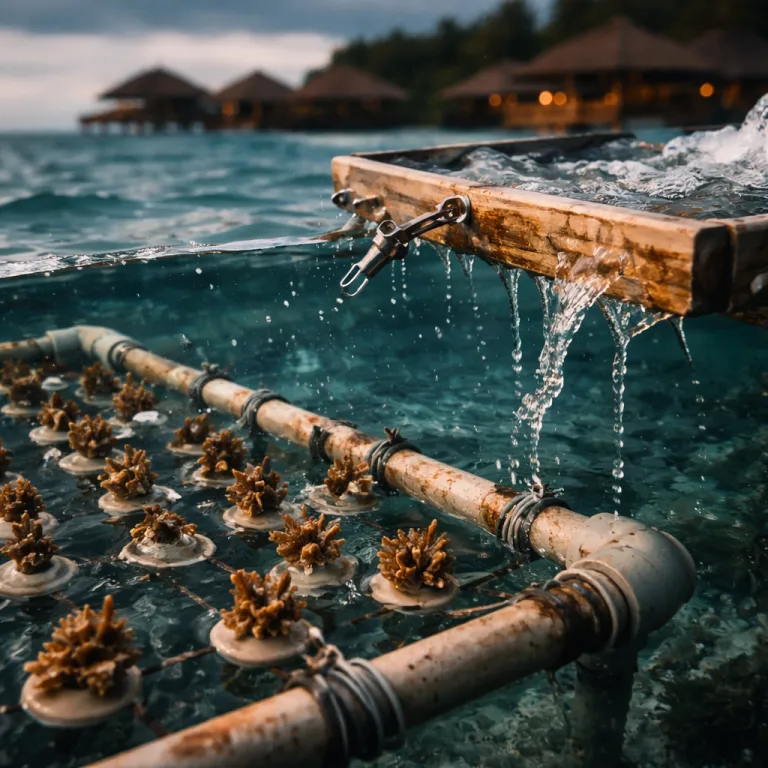
Four Seasons Resort Bora Bora is the clearest starting point because it has turned coral restoration into a structured marine conservation programme with guest participation at its heart and with measurable results on the house reef. According to the resort’s published monitoring summaries, resident marine biologists have documented more than 300 coral frames and several thousand transplanted fragments since 2017, with internal surveys reporting increased fish biomass and species diversity around the artificial reef structures over time. Guided snorkels through carefully tended coral gardens explain how coral fragments are grafted onto metal or limestone frames to regenerate damaged marine ecosystems over several years rather than a single season. When you book, you are not only choosing an elegant resort in Bora Bora but also buying into a living laboratory where low voltage electrical systems, careful coral cuttings and patient monitoring quietly support one of the most ambitious coral reef projects in French Polynesia.
Le Bora Bora by Pearl Resorts and the historic Bora Bora Pearl Beach Resort & Spa have followed a similar path, building coral gardens that wrap around their overwater bungalows and motu beaches like a submerged sculpture park. Scuba Diving Magazine’s coverage of these properties notes that their teams have installed dozens of coral tables and biorock style structures, using small coral cuttings to create new colonies that are checked and cleaned several times a year, with early reports of strong survival rates in sheltered sections of the lagoon. Guests learn coral basics while swimming above growing artificial reefs and natural bommies, often spotting juvenile fish that have returned to these restored patches within two to three years. The result is that a stay in these resorts feels less like a passive escape and more like a chance to be involved in preservation of local marine ecosystems while still enjoying polished service and serious comfort.
Inside the coral grafting programmes at flagship resorts
Four Seasons Resort Bora Bora has turned its lagoon into a classroom where coral fragments become the syllabus and every guest can enrol for an afternoon. Under the guidance of resident marine experts, you help attach small coral cuttings to specially designed frames, a hands on introduction to coral restoration that makes Bora Bora coral reef conservation feel tangible rather than theoretical. The resort supplies snorkelling equipment, scientific context and quiet supervision, while the reef supplies the spectacle of fish returning to new micro reefs within a few years.
The method is simple but powerful: coral grafting takes healthy coral fragments from resilient colonies and fixes them to stable substrates, allowing them to grow into new coral gardens that strengthen the surrounding reef. According to the resort’s own educational material, “What is coral grafting? A method of propagating corals by attaching fragments to substrates.” Marine staff often reference work by regional NGOs and French Polynesian research institutes that have tested similar techniques on neighbouring islands, giving guests a sense of how local experiments fit into wider Pacific reef science. This kind of conservation education turns a luxury stay into an informal marine biology workshop, and it gives solo travellers a precise way to evaluate whether a resort’s marine conservation claims extend beyond marketing copy.
Other high end resorts in Bora Bora have launched parallel programmes, from structured reef restoration projects using coral nurseries and fragment transplantation to more experimental biorock inspired installations that use low voltage electrical currents to encourage mineral accretion on artificial reefs. Some properties report annual counts of coral fragments added to their nurseries, share indicative survival percentages after one to three years and invite visiting scientists to help survey fish and invertebrate diversity on restored patches. When you read about upcoming property upgrades or new overwater categories, such as those highlighted in guides to major Bora Bora renovations, pay attention to how each resort talks about coral reefs during construction phases. The most credible properties explain how they relocate coral colonies, limit pollution and overfishing impacts from supply chains and fund long term monitoring programmes rather than one off photo opportunities.
Hidden conservation hotspots in the lagoon’s coral gardens
Beyond the headline names, Bora Bora hides quieter coral gardens where the work of lagoon conservation unfolds away from infinity pools and champagne buckets. Some of the most interesting marine ecosystems sit near lesser known motu shorelines, where small resorts and local guides have nurtured coral gardens for years with minimal fanfare. These places are not always on the first page of booking engines, so you often need to find them through specialist guides to where to stay in Bora Bora and why location shapes your experience of the reef.
Look for properties that mention in house marine conservation teams, partnerships with local community groups and access to designated marine education zones within the lagoon. These zones function as open air classrooms where guides explain how coral reefs protect coastlines, how pollution and overfishing upstream can damage even remote reefs and why community awareness matters as much as global climate policy. Local associations sometimes invite school groups to these sites, turning resort jetties into informal field stations where children learn to identify coral species and understand bleaching events. When a resort invests in such education programmes, it signals that coral restoration is woven into daily operations rather than treated as a side project for marketing photographs.
Several smaller resorts now collaborate with local associations under banners such as espace bleu, a term often used in French Polynesia for integrated lagoon management spaces that balance tourism and conservation. In practice this can mean guest briefings before snorkel trips, signage about marine ecosystems along jetties and opportunities to get involved in preservation activities like lagoon clean ups or coral gardening afternoons. Some community leaders have also voiced concerns about overcrowding at popular snorkel spots, pushing for caps on daily visitor numbers and stricter anchoring rules to protect fragile bommies. For a solo explorer, these hidden gems offer a rare mix of intimacy, access to thriving coral gardens and the feeling that your room rate is quietly underwriting serious reef restoration work.
How to read between the lines of resort sustainability claims
Not every resort that mentions Bora Bora coral reef conservation is doing the same depth of work, so you need a clear filter when comparing options. Start by examining how specifically a property talks about its coral reef projects: credible resorts name their marine partners, describe methods such as coral grafting or biorock style structures and share data on how many coral fragments have been planted over the years. Vague promises about helping the environment, without mention of coral reefs, marine ecosystems or conservation education, usually signal surface level efforts.
Another useful test is to ask how the resort handled construction or renovation near the reef, because serious players treat coral as infrastructure that must be protected. Some restaurants and resorts in Bora Bora, such as the long established Bloody Mary’s, have publicly committed to relocating coral colonies during building work, a practical example of involved preservation rather than simple marketing language. Local divers and lagoon guides sometimes share their own observations about sediment plumes or anchor damage, offering an informal check on glossy sustainability reports. When a property explains how it minimised sediment plumes, reduced pollution and overfishing impacts from supply boats and monitored nearby reefs before and after works, you are looking at a resort that understands marine conservation as a long game.
Guest experience design offers a final clue: properties that truly value the lagoon tend to integrate it into daily life with guided snorkels, talks about coral reefs and advice on choosing the right overwater bungalow orientation for both views and reef access. When you read a detailed guide to picking sunrise or sunset facing overwater villas, notice whether it also mentions proximity to coral gardens and house reef snorkelling routes. A resort that encourages you to learn coral basics, respect marine life and avoid touching fragile coral fragments is usually one that backs its sustainability claims with thoughtful, science led practice.
What solo travellers can do to support reef restoration
As a solo explorer, your choices in Bora Bora ripple through the lagoon’s future, because every booking either strengthens coral reef conservation or quietly undermines it. Start by choosing resorts that run transparent reef restoration programmes, publish updates on coral gardening progress and invite guests to participate in marine conservation activities rather than just watch from the bar. When you join a coral grafting session, you are not only helping plant coral fragments but also signalling to management that there is strong demand for serious conservation work.
Daily behaviour in the water matters just as much as the resort you choose, so treat every coral reef as a living city rather than a backdrop for selfies. Never stand on coral, avoid kicking fragile coral cuttings with your fins and choose reef safe sunscreen to limit chemical stress on already challenged ecosystems that are facing both warming seas and local pollution and overfishing pressures. Respecting no touch policies in marine education zones and following guide instructions during snorkel tours are small acts that compound over years into healthier reefs.
Financial choices can also support marine conservation, from tipping lagoon guides who prioritise conservation education to booking with operators that donate a portion of revenue to local community projects. Some tours explicitly state that a percentage of each ticket funds reef restoration, marine conservation research or espace bleu style lagoon management initiatives, making it easy to align your spending with your values. When you leave Bora Bora with a deeper understanding of coral reefs and a commitment to talk about them back home, you extend the impact of your trip far beyond the atoll’s turquoise ring.
FAQ about coral restoration and resort stays in Bora Bora
How can tourists contribute to coral restoration during a luxury stay
Guests can contribute by joining resort led coral grafting sessions, where supervised teams attach coral fragments to frames that will become new coral gardens over time. Many high end resorts in Bora Bora now integrate such activities into their marine conservation programmes, allowing you to support lagoon restoration without sacrificing comfort. Choosing operators that fund reef restoration and respecting all guidelines in marine education zones further amplifies your positive impact.
Why are Bora Bora resorts focusing so heavily on reef restoration
Resorts in Bora Bora depend on healthy coral reefs for clear water, abundant marine life and natural coastal protection, so reef restoration is both an ecological duty and a business imperative. As one expert summary puts it, “Why are Bora Bora resorts focusing on reef restoration? To preserve marine biodiversity and promote sustainable tourism.” By investing in coral gardening, biorock style structures and long term monitoring, these properties help safeguard the lagoon that underpins every room rate.
What exactly happens during a coral grafting experience at a resort
During a typical coral grafting session, marine staff brief you on coral biology, then guide you as you help attach small coral cuttings or fragments to prepared frames or natural rock. The work usually takes place in shallow sections of the house reef, using snorkelling equipment and sometimes low voltage electrical structures designed to encourage growth. Over the following years, these frames develop into dense coral gardens that attract fish and strengthen local marine ecosystems.
How can I tell if a resort’s conservation claims are genuine
Genuine programmes usually include clear descriptions of methods, partnerships with local community groups or scientists and transparent reporting on how many coral fragments or coral cuttings have been planted. Look for evidence of marine education, such as talks, signage and guided snorkels that explain threats like pollution and overfishing and climate stress on coral reefs. When a resort treats the lagoon as part of its core infrastructure and invites guests to be involved in preservation, its claims are far more likely to be authentic.
Do snorkelling tours really help fund marine conservation in Bora Bora
Some snorkelling and diving operators in Bora Bora explicitly allocate part of each booking to reef restoration or broader marine conservation projects, while others simply follow best practice without formal funding mechanisms. When researching tours, ask whether they support espace bleu style initiatives, contribute to coral restoration programmes or collaborate with resorts on monitoring nearby reefs. Choosing these operators ensures that your time in the water supports both local community livelihoods and the long term health of Bora Bora’s coral reef systems.
Sources and further reading
Island Hopper Guides: sustainable Bora Bora ecotourism and responsible travel practices. Four Seasons Resort Bora Bora: official coral grafting and marine conservation experience pages and internal monitoring summaries since 2017, including frame counts and fragment data. Scuba Diving Magazine: coverage of Bora Bora Pearl Beach Resort & Spa ecological preservation initiatives, coral nursery development and early observations on fish life around restored sites.