The real bora bora cruise ship ban impact on the lagoon and luxury stays
Stand on Matira Point at low tide and the practical bora bora cruise ship ban impact becomes visible in the water itself. Where large cruise ships once anchored off the main island, stirring up sediment with every port call, the lagoon now settles into a clearer, more stable turquoise that serious travelers notice within minutes. For guests booking luxury hotels, that clarity is no longer a marketing promise but a measurable part of the room rate.
Before the restrictions, cruise traffic brought intense pulses of ships and thousands of passengers into a very small island system. The French Polynesian Government now applies strict limits on cruise ships and has capped the maximum cruise ship capacity allowed in Bora Bora at 3,500 passengers, with a daily limit of 1,200 cruise passengers coming ashore, as set out in municipal deliberations and maritime decrees published between 2019 and 2022. Those numbers matter when you are choosing between a quiet overwater villa and a stay that feels like a day stop on a large cruise itinerary.
Local authorities, led by Mayor Gaston Tong Sang, pushed for legislation that would reduce the environmental pressure from cruise tourism. Official guidance is explicit; “Why did Bora Bora limit cruise ship sizes? To protect the environment and manage tourist numbers.” and “What is the maximum cruise ship capacity allowed in Bora Bora? 3,500 passengers, with daily limits of 1,200 passengers.” These figures come from municipal deliberations and French Polynesian maritime regulations published between 2019 and 2022, including capacity rules for international cruise calls and lagoon anchoring zones. For a traveler, that means the bora bora cruise ship ban impact is not abstract policy but a guarantee that ships capacity and ships passengers are now managed with the lagoon’s health in mind.
On the water, the shift from very large ships to a more curated mix of small ship cruising and mid size vessels has changed the daily rhythm of the port. You still see a cruise ship anchored beyond the reef, but the era of multiple large cruise arrivals in a single week is over, and cruise traffic now feels more like a background note than the main soundtrack. For luxury hotels, that calmer pattern allows them to plan excursions, lagoon shuttles and private motu dinners without competing with sudden waves of cruise passengers flooding the same coral gardens.
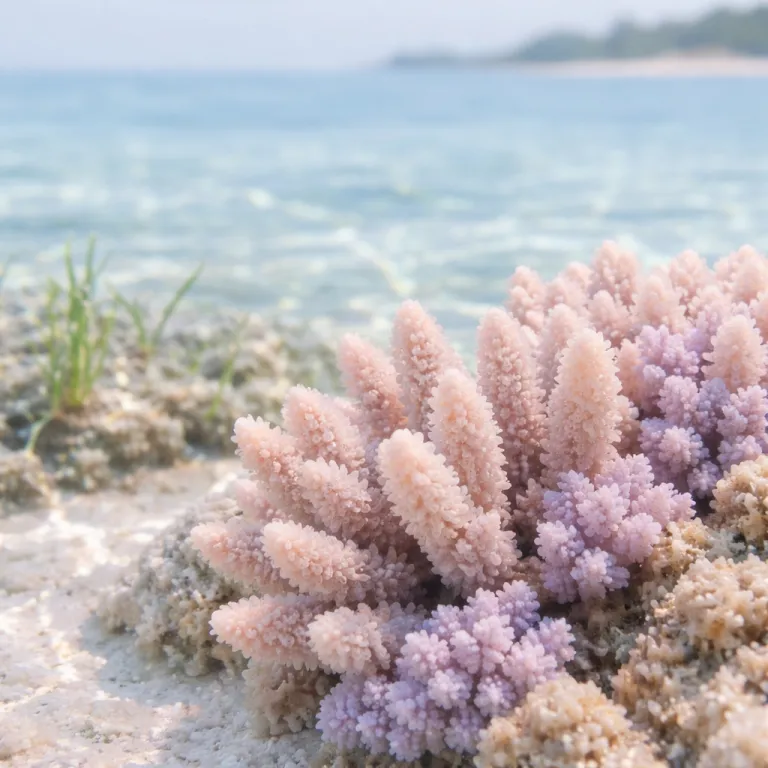
Environmental monitoring backs up what hoteliers and guides describe anecdotally about the new cruise limits. Coral reef teams track recovery in high pressure zones near the main port and popular snorkeling spots, and marine education areas now ring parts of the island where cruise ships once concentrated their tenders. A 2021 lagoon management report, for example, notes improved water clarity on peak days compared with 2017–2018, alongside early signs of coral cover stabilization in frequently visited sites; this internal study is cited in local lagoon management communications and municipal summaries. When you book a premium property that includes guided snorkeling or stand up paddleboarding, you are directly benefiting from a cruise industry that has been forced to respect limits cruise policies rather than treating Bora Bora as just another south Pacific stop.
The policy also reshapes how cruise companies and cruise lines position Bora Bora within wider French Polynesia and south Pacific itineraries. Some large cruise operators have reduced their port calls here, while others now deploy smaller ships with lower capacity passengers to comply with the new rules. For discerning travelers, that means the ships capacity visible on the horizon is more aligned with the island’s scale, and the lagoon feels once again like a sanctuary rather than a parking lot for large ships.
From volume to value: how the ban recalibrates Bora Bora’s luxury economy
The most important bora bora cruise ship ban impact is economic, and it is reshaping how the island thinks about value. French Polynesia’s Fari'ira'a Manihini 2027 strategy, adopted in 2021, caps annual visitors and pushes every island, from Bora Bora to Tahiti, to prioritize higher yield guests over raw numbers. For you as a traveler, that translates into a tourism industry that is less interested in selling trinkets to ships passengers and more focused on curating meaningful stays in carefully chosen hotels.
Tourism generates close to 100 billion CFP francs in annual economic activity across French Polynesia, and Bora Bora captures a disproportionate share of that spend through its luxury hotels. This figure, cited in Travel Daily News Asia coverage of the Fari'ira'a Manihini framework in 2022, reflects pre‑pandemic baselines updated with recent data. When large cruise ships reduced their visits, some local businesses feared a collapse in cruise tourism revenue, yet premium properties quickly absorbed part of that demand by extending stay lengths and upselling lagoon experiences. The result is a more resilient model where a smaller number of guests, often combining business and leisure, contribute more per night than a full cruise ship unloading for a single afternoon.
For the hospitality sector, the bora bora cruise ship ban impact has been a forcing mechanism to refine service and product. Instead of relying on predictable waves of cruise passengers buying day passes, resorts now invest in private transfers from Tahiti, more sophisticated concierge teams and better integration with local guides on outer motu islands. That shift from mass cruise traffic to tailored itineraries supports higher room rates, but it also funds coral restoration, reef safe amenities and low impact lagoon transport.
Hidden gems benefit most from this recalibration, especially small properties on quieter parts of the island and on nearby motu islets. With fewer large cruise arrivals, these places can maintain a sense of seclusion while still welcoming guests who arrive by plane rather than by ship, and who stay long enough to understand local rhythms. If you are planning an extended stay, use guides such as this curated overview of what to do in Bora Bora for an unforgettable luxury escape to align your activities with the calmer new reality of cruise tourism.
On the supply side, cruise companies have responded by repositioning their cruises in French Polynesia as gateways rather than substitutes for land based stays. Some cruise lines now encourage guests to disembark in Bora and spend several nights in hotels before or after their cruise, effectively turning the island into a premium hub within the wider islands network. For executives extending a work trip in Tahiti into leisure time in Bora Bora, this hybrid model offers flexibility without recreating the environmental strain of the old large cruise era.
There is tension, of course, between accessibility and exclusivity as the bora bora cruise ship ban impact ripples through pricing. Fewer cruise passengers and stricter limits cruise policies mean that last minute bargains are rarer, and average daily rates at top properties have climbed as demand concentrates in fewer, higher value segments. Yet the trade off is clear; quieter beaches, more attentive service and a lagoon that feels like a privilege rather than a backdrop to a floating city of cruise ships.
Hidden gems in Bora Bora: where the ban is felt most intensely
Move away from the main port and you feel the bora bora cruise ship ban impact most sharply in the quiet corners. On the eastern motu chain, where small ship tenders once dropped day trippers for quick snorkel stops, the sand now holds more footprints from hotel guests than from cruise passengers. That subtle shift changes everything from how your guide times a manta ray swim to how long you linger over a beachside lunch.
For travelers booking luxury stays, these hidden gems are the real dividend of stricter cruise ship rules. Coral gardens near the outer reef, once crowded whenever a large cruise ship made a port call, now see fewer fins in the water and more time between groups, which is critical for both coral health and guest experience. When you paddle out from your overwater villa at sunrise and see only a single small ship on the horizon, you are witnessing how cruise traffic management directly enhances the feeling of remoteness.
Some of the most rewarding spots sit far from the main ports of French Polynesia, yet they are still accessible with a short boat ride from your hotel. Think of shallow sandbanks where stingrays glide between your ankles, or narrow passes where reef sharks circle in clear channels that used to host lines of tenders from multiple cruise ships. These areas now fall under stricter marine education and conservation zones, and guides are quick to explain how the bora bora cruise ship ban impact has allowed fish life to rebound.
For a deeper sense of context, it helps to see Bora Bora as part of the Society Islands arc rather than an isolated postcard. Articles on refined stays in the Society Islands show how neighboring islands share similar pressures from cruise tourism and how each port negotiates its own balance between ships and shore based stays. When you compare Bora Bora’s limits cruise framework with more permissive ports elsewhere in the south Pacific, the difference in underwater silence becomes a tangible luxury.
Local operators who once depended heavily on cruise passengers have diversified into private charters, bespoke lagoon tours and sunset sails tailored to hotel guests. Instead of racing to fit three activities into a single short port call, they now design half day or full day itineraries that align with the slower pace of land based tourism. For you, that means more time with the same guide, more nuanced storytelling about the island and fewer moments when a crowd from a large cruise suddenly appears beside your outrigger.
To stay ahead of these shifts, use resources that track Bora Bora travel news and luxury hotel insights for your next stay, especially if you are timing a visit around the presence of specific cruise lines. Some itineraries still bring a large ship into the lagoon on certain days, and knowing that schedule helps you reserve spa time or a private motu picnic when cruise passengers are in town. The real hidden gem now is not just a secret beach but the ability to experience it without sharing it with an entire cruise ship.
What executives extending business trips need to know about the new Bora Bora
If you are flying to Tahiti for meetings and planning to add a few nights in Bora Bora, the bora bora cruise ship ban impact should shape how you design the leisure part of your trip. The island is repositioning itself as a flagship for sustainable luxury in French Polynesia, and that has direct implications for when you travel, where you stay and how you move between islands. Think of it as a shift from quick cruising snapshots to a slower, more intentional style of south Pacific immersion.
First, timing matters more than ever because cruise tourism now follows a more controlled pattern. With daily caps on cruise passengers and a clear framework for ships capacity, the busiest days in the main port are predictable, which allows you to schedule key experiences on quieter dates. A good hotel concierge will quietly track cruise traffic and advise you to visit popular coral gardens or Matira Beach when no cruise ship is in port, preserving that sense of exclusivity you expect from a premium stay.
Second, the type of ship you see on the horizon is changing, and that affects the overall feel of the island. Large ships are less frequent, while smaller vessels and expedition style cruises in French Polynesia are more common, often marketed as small ship experiences with lower capacity passengers and a stronger sustainability narrative. For a business leisure traveler, that means the demographic mix in town skews more toward longer stay guests and fewer day visitors rushing through a checklist of activities.
Third, the bora bora cruise ship ban impact is nudging the cruise industry to rethink how it uses Bora Bora within wider itineraries. Some cruise lines now treat the island as a premium overnight stop with limited shore excursions, while others encourage guests to disembark and continue their journey by air to other islands. The days when a single large cruise could overwhelm the island’s infrastructure are fading, replaced by a model where cruise companies must respect both environmental thresholds and the expectations of high paying hotel guests.
From a practical standpoint, this means planning ahead and embracing the island’s new emphasis on sustainability. Book lagoon facing rooms early, especially during periods when a well known vessel such as Royal Princess or similar large cruise ships may still appear on select itineraries, and coordinate transfers to avoid peak port call windows. When you choose excursions, prioritize operators who explain how they adapt routes to avoid overlap with cruise ships and who can articulate their role in protecting the lagoon.
Finally, remember that Bora Bora is part of a broader constellation of islands and ports across French Polynesia, each negotiating its own relationship with cruising. River cruises are not part of this marine landscape, yet the same logic of smaller groups and lower impact applies to how you move between islands by ferry or plane. The real luxury now lies in aligning your travel choices with an island that has chosen limits cruise policies over unchecked growth, and in knowing that your stay supports a future where the lagoon remains as clear for the next visit as it is from your deck today.
Key figures on Bora Bora’s cruise limits and luxury tourism
- Bora Bora restricts the maximum cruise ship capacity allowed to 3,500 passengers per vessel, with a daily limit of 1,200 passengers coming ashore, according to the French Polynesian Government; this framework has been progressively implemented since the late 2010s and directly reduces peak pressure on the lagoon and infrastructure, as detailed in municipal deliberations and maritime regulations.
- French Polynesia’s tourism sector generates close to 100 billion CFP francs in annual economic activity, as reported by Travel Daily News Asia in 2022 in its coverage of the Fari'ira'a Manihini strategy, and Bora Bora captures a significant share of this through high value hotel stays rather than short cruise visits.
- The Fari'ira'a Manihini 2027 strategy caps total annual visitors to French Polynesia at around 280,000, shifting the focus from volume based cruise tourism to value driven, longer stay guests across the Society Islands; this target is set out in official planning documents and summarized in Travel Daily News Asia’s reporting.
- Bora Bora aims to become 100 percent carbon neutral by 2050, and the reduction of large cruise traffic is one of several measures, alongside coral reef monitoring and marine education zones, designed to support this long term environmental goal, according to local municipal and lagoon management communications.
Sources
- French Polynesian Government tourism and maritime regulations, including cruise ship capacity decrees and lagoon protection measures (2019–2022), as published in official bulletins and municipal deliberations
- Travel Daily News Asia – 2022 coverage of French Polynesia’s tourism strategy and Fari'ira'a Manihini 2027 visitor targets and economic baselines
- Local Bora Bora municipal and lagoon management communications, including environmental monitoring summaries, a 2021 lagoon management report and coral reef status updates