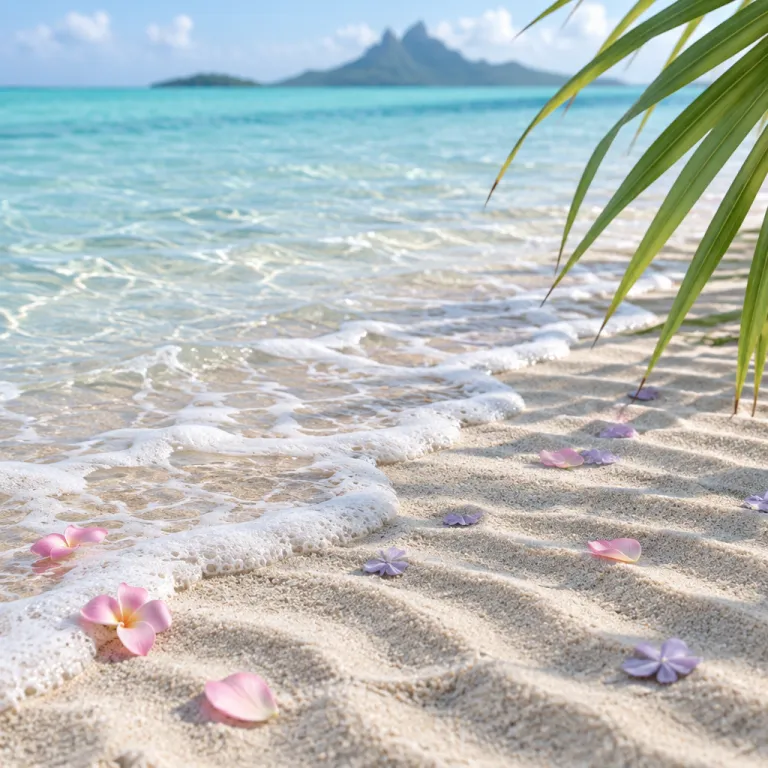
World Tourism Day on Bora Bora: the uncomfortable question
World Tourism Day lands lightly on Bora Bora’s lagoon, yet the question beneath the surface is heavy. Long haul flights from the United States to Tahiti and the Society Islands carry a serious environmental cost, even as tourism keeps local communities employed and funds marine protected projects around the island. Responsible tourism Bora Bora forces you to hold both truths at once and decide what kind of traveler you want to be.
This atoll sits deep in French Polynesia, part of a constellation of islands that includes Moorea, Raiatea and the wider Îles de la Société often called the Islands Tahiti in international campaigns. The same ocean that draws you for a dream vacation also absorbs aviation emissions, rising temperatures and the stress that threatens coral reefs and fragile marine life. When you plan travel here, you are entering a living laboratory where sustainable tourism either becomes real practice or remains a marketing line about being eco friendly and inclusive sustainable.
The tension is sharp because Bora is both remote island sanctuary and global icon. On one hand, French Polynésie française depends on tourism for jobs, education and healthcare, especially in small island communities that have few other options. On the other, every overwater villa and every ship cruising past a marine protected area adds pressure to the lagoon, so responsible tourism must mean restraint rather than unchecked expansion.
What Bora Bora is actually doing: beyond the brochure
Responsible tourism Bora Bora starts with policies that quietly change how visitors arrive and move, not just how hotels describe themselves in glossy brochures. The island has limited access for mega ship cruising, favouring small ship operators that can better respect each marine protected zone and the surrounding coral reefs. This shift matters because a single large vessel can overwhelm a small lagoon system, while a carefully managed small ship can align with sustainable tourism goals and support local communities more gently.
On the lagoon itself, protected area designations now cover key coral gardens and manta ray cleaning stations, and some resorts actively guide guests away from sensitive sites during the best time of day for marine life. Reef safe sunscreen rules, promoted by Tahiti Tourisme and local guides, aim to reduce chemical stress on coral reefs that are already facing warming waters across French Polynesia. When you read about luxury eco resorts and so called green overwater villas, cross check whether they support these regulations or simply use environmental language without clear action, then choose properties that publish transparent data about water, energy and reef monitoring.
Several high end properties in Bora and neighbouring islands now invest in coral nurseries, lagoon science programmes and cultural education for staff and guests. A strong example is the new generation of luxury eco resorts on Bora Bora that pair solar power with lagoon research, which you can explore in depth through this curated overview of sustainable elegance on French Polynesia’s iconic island. These initiatives are not charity ; they are a pragmatic way to keep the mana moana, the spiritual energy of the ocean, alive for future generations who will inherit both the benefits and the burdens of tourism.
How to book luxury that is genuinely responsible
Responsible tourism Bora Bora becomes real at the moment you choose where to sleep, how long to stay and which experiences to book. Stretching your time visit from a quick three night hop to a longer stay reduces the per day impact of your long haul flight while deepening your connection with local culture and the wider islands of French Polynesia. When you spread your vacation across Bora, Moorea and perhaps a quieter island in the Society Islands, you support more local communities without multiplying flights through Tahiti.
Look for properties that publish clear environmental metrics, use significant solar power and minimise diesel generators, then compare them as you would compare room categories or spa menus. Some of the most compelling options now appear in guides to solar powered resorts in Bora Bora, where you can see how luxury meets a lower footprint in practice through this detailed look at solar powered resorts in Bora Bora. Ask each hotel how they manage waste, protect nearby marine life and contribute to marine protected projects, and favour those that employ and train a strong proportion of local Polynesian staff in leadership roles rather than only in front line service.
Transport choices matter as much as thread counts when you think about responsible tourism across Bora and the Islands Tahiti. Whenever possible, choose small ship excursions over large ship cruising, and pick operators who cap group sizes, avoid feeding wildlife and stay outside sensitive protected area boundaries. For lagoon days, prioritise eco friendly outrigger trips with a local guide who can interpret culture, explain mana moana and show you how they personally care for coral reefs near their home island.
Redefining luxury on an atoll for the future
Responsible tourism Bora Bora ultimately asks you to rethink what luxury means on a small ring of sand and volcanic rock in the middle of the ocean. True indulgence here is not endless consumption but the rare privilege of silence, clear water and intact marine life that still thrives in parts of French Polynesia. The most forward thinking travelers now see restraint as the new status symbol, choosing fewer flights, longer stays and experiences that leave more in the lagoon than they take.
For some, that might mean swapping a second overwater stay for a few nights of refined glamping on a quieter motu, an option explored in depth in this guide to French Polynesia glamping for luxury seekers. For others, it means directing part of their vacation budget to reef restoration funds, community led cultural experiences or Tahiti Tourisme programmes that support inclusive sustainable projects across Polynésie française. Either way, the shift aligns with a broader intentional travel movement where the best time to visit is when you are ready to engage thoughtfully, not just when the weather is dry.
As World Tourism Day returns each year, Bora, Tahiti and the wider islands of Polynesia will continue to balance economic need with environmental limits. Your choices as a guest help decide whether this atoll remains a living example of responsible tourism or slides into a cautionary tale of overuse in French Polynesia. Luxury on Bora Bora can still be luminous, but its future depends on travelers who treat the lagoon as a shared home rather than a backdrop, honouring mana moana so that future generations can still feel its quiet power.
FAQ
Is it possible to practice responsible tourism in Bora Bora despite the long flight ?
It is possible to practice responsible tourism in Bora Bora if you accept that the flight has a significant footprint and then work to reduce your impact once you arrive. Staying longer, choosing sustainable tourism focused hotels and supporting local communities through locally owned tours and restaurants all help balance the equation. Offsetting emissions through credible programmes is only meaningful when combined with these on the ground choices in French Polynesia.
What is the best time to visit Bora Bora for a more sustainable stay ?
The best time to visit Bora Bora responsibly is during shoulder seasons when tourism pressure on the island and its coral reefs is lower. These months usually offer good weather while easing strain on water resources, waste systems and marine protected areas. You also give more stable income to local communities by avoiding only peak holiday periods in the Islands Tahiti.
How can I tell if a luxury hotel in Bora Bora is genuinely eco friendly ?
A genuinely eco friendly hotel in Bora Bora will publish clear environmental data, use renewable energy such as solar, minimise single use plastics and support marine life protection projects. Look for certifications from recognised sustainable tourism bodies and ask specific questions about reef safe sunscreen policies, waste treatment and staff training in local culture. Properties that engage with Tahiti Tourisme and community groups across Polynésie française usually show a deeper commitment to responsible tourism.
Are lagoon excursions and ship cruising around Bora Bora harmful to marine life ?
Lagoon excursions and ship cruising can harm marine life if operators anchor on coral reefs, chase wildlife or enter sensitive protected area zones. Choosing small ship or outrigger tours with strict environmental guidelines and capped group sizes greatly reduces this impact on the ocean and its ecosystems. Responsible tourism Bora Bora means favouring guides who respect mana moana and follow rules designed to protect the lagoon for future generations.
How can solo travelers support local communities while maintaining comfort and safety ?
Solo travelers can support local communities by booking locally owned guesthouses or smaller wings of luxury resorts, eating in family run restaurants and hiring certified local guides for cultural and marine excursions. This approach keeps more tourism revenue in Bora and neighbouring islands while still offering high levels of comfort and safety. Combining these choices with awareness of environmental limits creates a more balanced form of responsible tourism across French Polynesia.
References
For further factual information on reef safe sunscreen regulations, marine protection and sustainable tourism in French Polynesia, consult resources from Tahiti Tourisme, UNESCO and the International Union for Conservation of Nature.