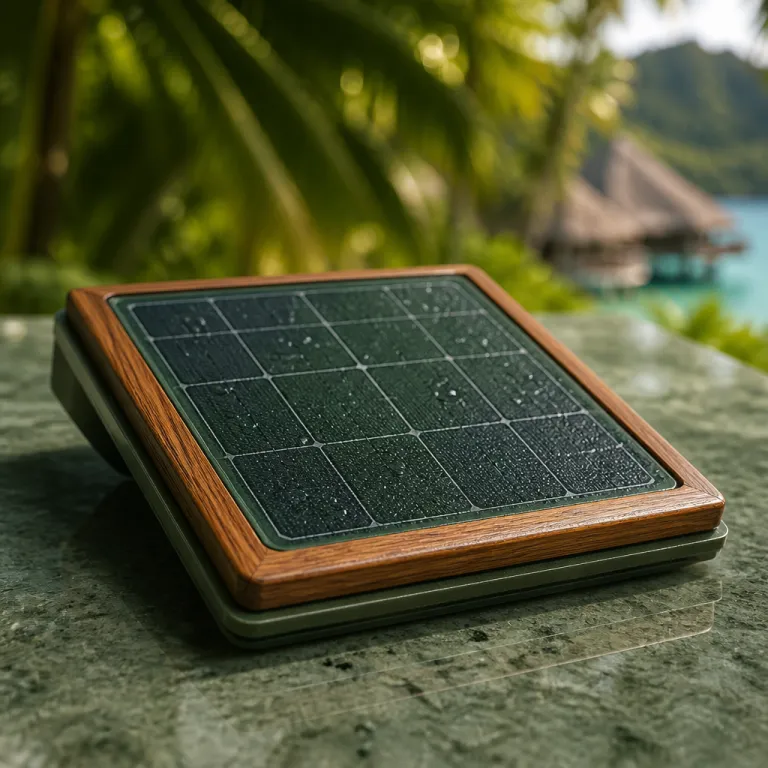
Why solar powered sustainable resort Bora Bora choices matter for high-end travelers
On a remote island like Bora Bora, every kilowatt has a backstory. Luxury travelers choosing a solar powered sustainable resort in Bora Bora are not just booking a room, they are influencing how this lagooned paradise manages its fragile resources. When you understand how electricity reaches this island in French Polynesia, your booking decisions become a powerful sustainability tool.
Bora Bora sits more than 250 kilometres northwest of Tahiti, and almost all conventional fuel must be shipped across open water to keep air conditioning, pools and restaurants running. That dependence makes a solar powered sustainable resort in Bora Bora far more than a marketing line, because every solar panel reduces diesel burned somewhere between the islands. For a business-leisure guest extending Tahiti travel after meetings in Papeete, this context turns a lagoon escape into a conscious act of sustainable development.
Across the islands of Tahiti, the government’s Fari'ira'a Manihini 2027 strategy is pushing tourism toward lower impact models. Solar electric systems, electric boat fleets and even solar catamaran excursions are no longer fringe experiments, they are becoming part of the mainstream luxury offer. When you compare resorts Tahiti wide, Bora now stands out as a test case for how the best properties can pair overwater indulgence with serious environmental engineering.
Le Bora Bora by Pearl Resorts: solar catamaran, coral care and quiet luxury
Le Bora Bora by Pearl Resorts sits on a motu facing Mount Otemanu, and it has quietly become a reference point for anyone seeking a solar-led eco-luxury resort in Bora Bora. The property combines classic Polynesian architecture with visible green infrastructure, from discreet solar panels to its pioneering solar catamaran. For guests who care about what happens beneath their overwater bungalow as much as inside it, this balance feels refreshingly honest.
The resort’s Okeanos Pearl by Soel Yachts is the headline act, a fully solar catamaran gliding across the lagoon without diesel fumes or engine roar. Launched for guest use in the early 2020s, this vessel is documented in the resort’s corporate social responsibility reporting and in Soel Yachts’ technical specifications as the first fully solar powered excursion catamaran in Bora Bora. According to those sources, the Okeanos Pearl can operate day-cruise itineraries using only its photovoltaic array and battery bank under typical weather conditions, avoiding hundreds of litres of marine diesel each season. On a sunset cruise aboard the Okeanos Pearl, you move over glassy water while the only soundtrack is the hull and the occasional splash of a ray, a tangible demonstration of how solar powered technology and electric boat propulsion can elevate both comfort and sustainability in French Polynesia.
Back on land, Le Bora Bora functions as a relaxed yet polished beach resort, with a sweep of pearl beach sand, a central pool and a cluster of thatched overwater bungalows stretching into the lagoon. The house reef supports coral gardening activities that align with wider reef restoration work across the islands Tahiti region, and guests can join guided snorkels that explain how sustainable development plays out underwater. For a deeper look at how these coral projects work across multiple bora resort properties, read this guide on how resorts are rebuilding the reef one fragment at a time.
Four Seasons Resort Bora Bora: solar PV, SWAC cooling and measurable impact
Four Seasons Resort Bora Bora takes a more visibly engineered route to being a solar powered sustainable resort in Bora Bora. The property has integrated a 600 kWp rooftop solar PV system, which significantly cuts its reliance on imported fuel while keeping villas cool and champagne properly chilled. According to industry reporting by EQ Mag Pro and the resort’s own sustainability communications, this array supplies a substantial share of the property’s daytime electricity demand, with internal estimates indicating that on clear days it can cover around one third of total load. For guests, the panels sit mostly out of sight, but the impact is very real in the resort’s energy balance sheets.
Equally important is the resort’s use of advanced cooling systems similar in spirit to the Sea Water Air Conditioning (SWAC) technology deployed elsewhere in French Polynesia. By drawing cold water from deep offshore and circulating it through heat exchangers, SWAC style systems can slash electricity demand for air conditioning by up to 50 percent compared with conventional chillers, a figure cited in technical documentation for deep sea water cooling projects in the region. The result is quieter operation in your overwater bungalow or beach villa, fewer emissions and a more stable grid for the surrounding islands.
On the guest side, Four Seasons layers this infrastructure with reef education, lagoon ecology briefings and curated activities that go beyond standard resort entertainment. You might spend the morning in the pool or at a lagoon facing restaurant, then join a marine biologist to learn how coral nurseries support the wider islands Tahiti ecosystem. To understand how this technical work connects with broader waste and resource management on a small island with no landfill, this analysis of how Bora Bora hotels manage waste is essential reading before you travel.
What sustainability looks like from your overwater bungalow or beach villa
From a guest perspective, the question is simple, what does a solar powered sustainable resort in Bora Bora actually feel like day to day. The answer is less about slogans and more about the small sensory shifts you notice around the property. Silence on the lagoon, cooler rooms without aggressive air conditioning blasts and staff who can explain why the water under your deck looks so clear.
On the lagoon, solar electric propulsion is changing how excursions operate, especially at properties working with Soel Yachts and similar partners. A solar catamaran or electric boat glides out for a snorkel trip with almost no vibration, which means turtles and reef sharks are less disturbed and your guide’s voice carries easily over the water. During a sunset cruise, the absence of diesel smell makes the vanilla in your cocktail and the salt on the breeze far more pronounced, while the same quiet technology you experienced on the Okeanos Pearl or similar vessels reinforces how renewable energy can enhance rather than diminish classic lagoon experiences.
On land, you may notice shaded walkways where solar panels double as canopies, or discreet signage explaining how pools are filtered and how grey water is reused for gardens. Some beach resort teams now brief guests on reef safe sunscreen at check in, and they steer you toward local activities that support the community rather than strain it. When you walk back to your bora pearl toned bungalow after dinner, the low level lighting and quiet pathways are not just aesthetic choices, they are part of a broader sustainable development approach that protects nesting birds and reduces energy use.
How to choose the best low footprint luxury stay for a business-leisure trip
Executives extending a Tahiti travel schedule into a few days in Bora need more than pretty pictures to choose the best property. Start by asking each bora resort for hard numbers, what percentage of their energy is solar powered, how they manage water and what certifications they hold. A genuine solar powered sustainable resort in Bora Bora will share this data without hesitation and explain it in plain language.
Look beyond the headline of overwater bungalows and check how the resort integrates with its island setting. Does the beach resort source from local farmers and fishers for its main restaurant, and are there clear policies on reef safe sunscreens and lagoon friendly activities. When you compare several resorts Tahiti wide, prioritise those that combine strong environmental performance with meaningful cultural engagement, such as Polynesian led excursions or partnerships with local artisans.
Timing also matters, both for the lagoon’s mood and for your carbon footprint, so plan your stay around shoulder seasons when flights and resorts are less pressured. This detailed guide to choosing the best time to go to Bora Bora helps align weather, rates and sustainability considerations. Once on site, use special offers that reward longer stays rather than frequent short hops between islands, because every inter-island flight or cruise segment adds to your overall impact.
Marketing claims versus measurable change in Bora Bora’s luxury resorts
Not every property using the phrase solar powered sustainable resort in Bora Bora is operating at the same level of ambition. Some resorts install a token array of panels over a back of house building, then lean heavily on the imagery in their brochures. Others, like Le Bora Bora by Pearl Resorts and Four Seasons Resort Bora Bora, integrate solar, water and waste systems into the core of their operations.
When you evaluate claims across French Polynesia, focus on infrastructure you can actually see or verify. Ask whether the resort operates any solar catamaran or solar electric boats, how many overwater bungalows are connected to efficient cooling systems and whether they support external reef or community projects. Properties that reference partners such as Soel Yachts, environmental NGOs or the Pearl Resorts group’s wider sustainability commitments usually have more substance behind their messaging.
Guest facing programmes are another filter, from coral grafting workshops to guided walks explaining how the islands Tahiti are adapting to climate change. Resorts that treat these activities as core experiences rather than optional extras tend to have stronger internal sustainability cultures. As you compare options for your next trip, remember that the best luxury is not just the private pool or the pearl beach view, it is the confidence that your stay is aligned with the long term health of this extraordinary island and its surrounding islands.
Key figures on solar and sustainability in Bora Bora’s luxury resorts
- Four Seasons Resort Bora Bora operates a rooftop solar PV system with a capacity of 600 kWp, a scale that meaningfully reduces its dependence on imported fuel for electricity (data from industry reporting by EQ Mag Pro and the resort’s published sustainability overview, which indicate that on sunny days the system can provide roughly one third of daytime demand).
- Le Bora Bora by Pearl Resorts introduced its solar powered Okeanos Pearl catamaran in the early 2020s, marking the first fully solar catamaran used for guest excursions in Bora Bora according to the resort’s corporate social responsibility communications and Soel Yachts’ project documentation, which note that typical operations can run entirely on solar-charged batteries.
- The islands of Tahiti, including Bora Bora, are part of a national strategy that aims to cap visitor numbers while increasing renewable energy use, positioning French Polynesia as a regional leader in sustainable development for island tourism.
- Deep sea water air conditioning systems used in French Polynesia can cut electricity consumption for cooling by up to half compared with conventional systems, a reduction cited in technical reports on SWAC projects and critical on small islands where energy generation and grid capacity are constrained.
FAQ: solar powered sustainable resort Bora Bora choices for discerning travelers
Which Bora Bora resorts use solar power for their operations ?
Which Bora Bora resorts use solar power? Le Bora Bora by Pearl Resorts and Four Seasons Resort Bora Bora. Both properties have integrated solar energy into their infrastructure, from rooftop PV arrays to solar powered catamarans, making them leading options for travelers seeking a solar powered sustainable resort in Bora Bora.
What eco-friendly amenities can I expect at these luxury resorts ?
What eco-friendly amenities are available? Solar-powered catamarans, electric shuttle boats, solar PV systems. In practice, this means quieter lagoon excursions, lower emissions from on water activities and a reduced carbon footprint for your stay without compromising comfort or service.
How do these resorts reduce their overall carbon footprint ?
How do these resorts reduce their carbon footprint? By integrating solar energy and promoting sustainable practices. They combine renewable electricity generation with efficient cooling, water recycling, reef restoration programmes and guest education to address multiple aspects of environmental impact.
Can I still enjoy classic overwater experiences while staying sustainable ?
Guests can absolutely enjoy overwater bungalows, private pools and fine dining while staying at a solar powered sustainable resort in Bora Bora. The difference is that energy efficient systems, solar electric boats and thoughtful resource management sit behind the scenes, allowing you to experience the best of Bora’s lagoon with a lighter footprint. Choosing these properties signals to the wider resorts Tahiti market that serious sustainability is now a core part of true luxury.