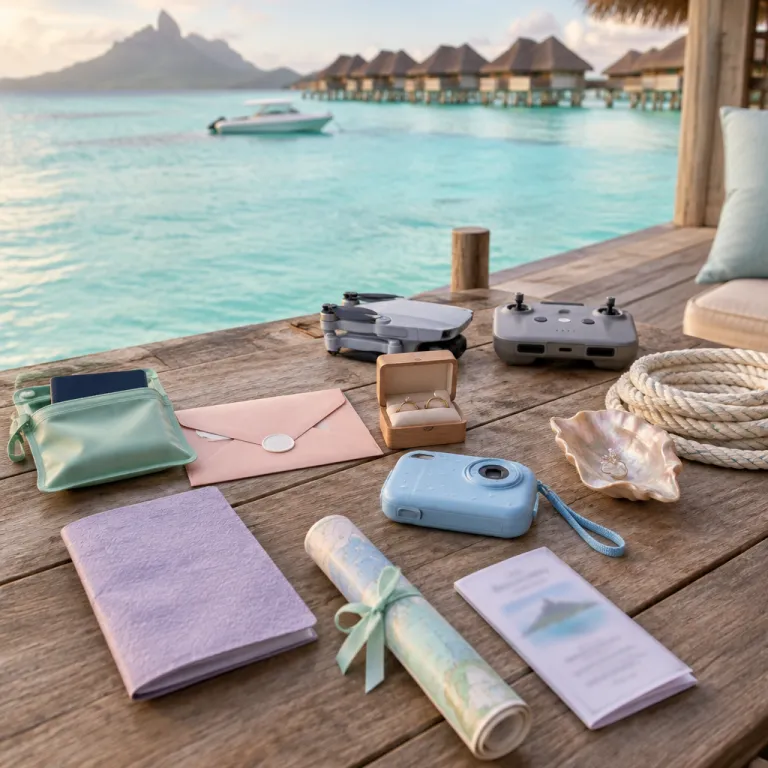
Getting married in Bora Bora elopement style: what it really means
Getting married in a Bora Bora elopement sounds effortless, but the reality is more layered. On this small bora island in French Polynesia, couples quickly learn there is a sharp line between a symbolic lagoon wedding ceremony and a legally binding civil marriage under French law. Understanding that difference early will shape where you book your resort, how many nights you stay, and whether your wedding vow is signed here or back home.
Across the French islands, including Tahiti, Moorea and Bora Bora, a legal wedding requires a civil ceremony at a town hall, with documents translated into French and submitted in advance. According to guidance from the French Ministry for Europe and Foreign Affairs and French consular services, foreign couples must provide a complete civil status file before any ceremony is authorised. For most foreign weddings, the residency expectations and paperwork make a full legal ceremony in Bora Bora impractical, which is why many couples choose a legal marriage at home and then plan a traditional Polynesian style vows ceremony on the beach or a private motu. That approach lets you enjoy the romance of a tahitian wedding, while keeping the legal ceremonies simple and fully compliant with your own country’s rules.
When you see a “Bora wedding” or “wedding Bora” package on a hotel site, read the description carefully and look for words like symbolic, renewal, vow renewal or renewal ceremony. These usually describe a traditional Tahitian lagoon ceremony with no legal effect, though the emotion of exchanging renewal vows or a fresh wedding vow under Mount Otemanu feels very real. Treat the symbolic ceremony as the heart of your destination wedding experience, and the civil paperwork as a separate, more administrative chapter.
Symbolic lagoon ceremonies and vow renewals: what actually happens
A symbolic Bora Bora wedding ceremony usually begins on the beach or a tiny motu, with an outrigger canoe arrival and a conch shell call across the lagoon. The officiant often wears traditional Tahitian pareu and headdress, and the ceremony blends Polynesian blessings with your own vows ceremony, whether you are eloping, hosting intimate weddings, or planning a vow renewal after many shared nights together. Couples who already had a legal wedding at home often say this lagoon moment feels like the true start of their marriage.
In a typical Bora resort package, you will be greeted with flower leis, escorted to a simple altar framed by palms, and guided through a mix of English and French or Tahitian words. You might sign a decorative “tahitian wedding” certificate, receive a Polynesian name, and close the renewal ceremony or elopement with a short dance to live ukulele music. For many, this is the ideal getting married Bora Bora elopement balance, because it delivers the emotional weight of a wedding vow without the stress of managing legal documents in French Polynesia.
Some couples return years later for a renewal ceremony, choosing a quieter beach at sunrise or a sandbank reached only by boat, and they often bring children to witness their renewal vows. Others combine a lagoon wedding Bora moment with a private snorkel to coral gardens or a visit to protected marine areas, timing their day around encounters with sea turtles and rays. If you care about marine life, read a detailed guide to where sea turtles live and why lagoon rules matter before choosing your ceremony location, and cross-check any conservation rules with current information from local authorities.
Choosing the right luxury resort, overwater villa, and hidden corners
For a getting married Bora Bora elopement, the property you choose will shape almost every frame of your wedding photos. On the main island, a Bora resort gives you easier access to local restaurants and viewpoints, while the motu resorts offer that classic overwater bungalow line facing the lagoon and Mount Otemanu. Hidden gems often sit at the far ends of motu chains, where the beach is quieter, the reef is closer, and the nights feel almost impossibly still.
High end properties such as the St. Regis Bora Bora, often shortened to the Regis Bora by frequent guests, specialise in destination wedding experiences with dedicated wedding planner teams. Here you can pair an overwater villa with a private villa pool on the inner motu side, using the pool deck for a tiny vows ceremony at sunset before moving to the beach for a more traditional Polynesian blessing. Pearl Resorts properties across Tahiti, Moorea and Bora Bora also curate intimate tahitian wedding and vow renewal packages, often with strong ties to local musicians and dancers.
When comparing resorts, look beyond the headline overwater bungalow category and ask where ceremonies actually take place, how private the beach setting is, and whether there are sheltered spots in case of sudden lagoon weather. Some couples prefer a room on the lagoon edge of the main island, then boat to a secluded motu for the ceremony and return for a late dinner in town. Others want everything on site, from the legal style paperwork support to the final champagne toast, and they choose a resort where the wedding planner can coordinate every detail from flowers to canoe transfers.
Legal marriage in French Polynesia: what foreign couples must know
French Polynesia follows French civil law, which means a legal wedding must be performed by a mayor or authorised official at a town hall, not on a resort beach. For foreign couples, getting married in Bora Bora with full legal status usually requires submitting a dossier of documents translated into French, often including birth certificates, proof of single status, and copies of passports. These documents must arrive weeks in advance, and some municipalities may expect a period of presence on the island before the civil ceremony.
Because of these requirements, many couples treat Bora Bora weddings as symbolic only, separating the legal ceremonies from the lagoon celebration. They complete the legal marriage at home, then fly to the islands for a tahitian wedding style ceremony that focuses purely on vows, music and setting, without any concern about missing paperwork. If you are determined to have a legal ceremony in French Polynesia, speak directly with the mairie in Bora Bora or Tahiti, and verify every requirement with an official source such as the French consulate or the Service de l’État Civil before booking non refundable flights or a resort package.
Some resorts in Bora Bora and Moorea offer assistance with the legal side, but their wedding planner teams are facilitators rather than authorities, and they will still direct you to the town hall for the actual civil ceremony. A few couples choose to hold the legal wedding in Tahiti, where administrative offices are concentrated, then continue to Bora Bora for the symbolic lagoon ceremony and honeymoon nights in an overwater villa. Whatever route you choose, keep the legal and symbolic tracks clearly separated in your planning documents, so you never confuse a decorative wedding vow certificate with a legally recognised marriage record.
Planning your lagoon elopement: timing, logistics, and costs
Once you accept that a getting married Bora Bora elopement is usually symbolic, you can plan the day with far more freedom. Start by choosing the time of day for your ceremony, because lagoon light changes quickly and will define your photos, your comfort, and even how private the beach feels. Early morning brings softer colours and fewer boats, while late afternoon offers golden light and a natural transition into sunset cocktails and a private dinner.
Most resorts offer a range of wedding Bora or Bora wedding packages, from simple vows ceremony options to more elaborate destination wedding experiences with live music, flower arches and canoe arrivals. Ask what is included in each package, whether a photographer is part of the base price, and how many nights you must book in a specific room category such as an overwater bungalow or villa pool suite. To understand how accommodation choices influence your total budget, read a clear breakdown of how much a luxury island stay in Bora Bora really costs before locking in dates.
Hidden costs often sit in the details, from private boat transfers to flower upgrades and extended dinner menus, so ask your wedding planner for a line by line estimate. As a rough example, couples commonly budget several thousand US dollars for a simple symbolic ceremony, with higher totals once private motu hire, premium photography, or multi course tasting menus are added. Consider whether you want a simple beach ceremony followed by a relaxed resort restaurant meal, or a fully private motu dinner with a dedicated chef and server. For couples who enjoy crafted drinks, weaving in a lagoon bar stop for refined sundowners over the lagoon can turn the transition from vows to evening into one of the most memorable parts of the day.
Rooms, nights, and hidden-gem experiences around Bora Bora and Moorea
Choosing the right room type is central to any getting married Bora Bora elopement, because your suite becomes both dressing room and honeymoon hideaway. Overwater bungalows deliver that cinematic lagoon entry, but a well positioned overwater villa or villa pool on the motu side can feel more private for weddings and vow renewals. Some couples split their stay, spending the first nights in a beach room close to the ceremony site, then moving to a more remote overwater category once the wedding ceremony is over.
Hidden gems often sit just beyond the main resort circuits, whether it is a small motu used only for occasional weddings or a quiet reef flat where you can snorkel alone between breakfast and dinner. On Moorea, which is a short hop from Tahiti, you will find a different rhythm of island life, with lush peaks and a more local feel that appeals to couples who want a less polished destination wedding atmosphere. Many travellers pair a Bora resort stay with a few nights on Moorea, using the second island for hiking, casual beach days and perhaps a simpler renewal ceremony without the full tahitian wedding production.
Within Bora Bora itself, ask your wedding planner about lesser known viewpoints, small chapels, or traditional Polynesian cultural centres that can host a vows ceremony or renewal vows moment away from the main resort beaches. Some Pearl Resorts properties and other high end hotels maintain close relationships with local communities, which can open doors to more authentic music, dance and blessing elements. Whether you choose a formal wedding Bora package or a minimalist elopement, weaving in these quieter experiences will make your French Polynesia story feel less like a brochure and more like your own.
How to work with a resort wedding planner and keep control of your day
At the luxury level, almost every Bora resort assigns a dedicated wedding planner to manage your elopement, wedding or vow renewal. Treat this person as both project manager and cultural interpreter, because they understand how to blend your expectations with traditional Tahitian and traditional Polynesian elements. Share a clear brief early, including how formal you want the ceremony, whether you prefer a beach or garden setting, and how you imagine the flow from vows to dinner.
Ask specific questions about legal ceremonies, even if you plan to handle the legal wedding at home, so there is no confusion about what your Bora Bora ceremony represents. Clarify whether the officiant is performing a symbolic tahitian wedding, a renewal ceremony, or a civil style event with legal weight, and request written confirmation of this in your package documents. If you are planning a destination wedding with a small group, discuss room allocations, minimum nights, and how to keep guests close without sacrificing your own privacy in an overwater villa or villa pool suite.
Finally, keep your own priorities at the centre of every decision, whether that means a quiet vows ceremony at sunrise, a lively beach celebration with drums, or a simple renewal vows moment on your deck after dark. A skilled planner at the St. Regis Bora Bora, at Pearl Resorts, or at another high end property will respect your boundaries while suggesting subtle touches that root your day in French Polynesia rather than in a generic resort script. When the conch shell sounds and you walk toward the lagoon, you should feel that this is not just another Bora wedding, but a ceremony that reflects who you are and how you chose to begin or renew your life together.
Key figures for Bora Bora weddings and elopements
- French Polynesia welcomes several hundred destination wedding and vow renewal trips each year, with Bora Bora and Moorea hosting a significant share according to regional tourism boards, which confirms the islands’ status as a premier romantic hub.
- Surveys from Tahiti Tourisme indicate that a large majority of couples choosing Bora Bora for weddings or elopements also visit at least one other island such as Tahiti or Moorea, which supports the idea of multi island itineraries for varied experiences.
- Industry data from luxury travel agencies show that overwater bungalow and overwater villa stays command a premium compared with beach rooms, often representing the single largest cost driver in a Bora Bora wedding budget.
- Reports from French consular services highlight that foreign couples must typically submit civil marriage documents several weeks before any legal ceremony in French Polynesia, underlining why many opt for legal weddings at home and symbolic ceremonies on the lagoon.
FAQ about eloping and getting married in Bora Bora
Is a Bora Bora wedding legally recognised in my home country ?
A wedding in Bora Bora is only legally recognised if you complete a civil ceremony that complies with French Polynesian and French law, usually at a town hall. Most resort beach ceremonies are symbolic only, so couples often marry legally at home and treat Bora Bora as a destination wedding celebration. Always confirm recognition rules with your local authorities or consular services before relying on a foreign marriage certificate.
Can foreigners have a full legal wedding ceremony in Bora Bora ?
Foreigners can sometimes have a full legal ceremony in Bora Bora, but the process involves submitting translated documents in advance and coordinating with the local mairie. Requirements can include birth certificates, proof of single status and passport copies, all translated into French. Because rules and processing times change, you must verify current conditions directly with French Polynesian civil authorities or the relevant French embassy or consulate.
What is included in a typical Bora Bora elopement package ?
A typical getting married Bora Bora elopement package usually includes a symbolic lagoon ceremony with an officiant, flower leis, simple decorations and sometimes live music. Many packages add a photographer, a small wedding cake, and a romantic dinner, while higher tiers may include canoe arrivals or private motu access. Always request a detailed list of inclusions and optional extras from your resort wedding planner.
How many nights should we stay for a Bora Bora wedding or vow renewal ?
Most couples stay at least four to five nights to allow for travel recovery, ceremony day, and relaxed time afterward. If you are combining Bora Bora with Tahiti or Moorea, consider a longer trip so each island has its own rhythm and experiences. Check whether your chosen resort requires a minimum number of nights in a specific room category for wedding or vow renewal packages.
Is Bora Bora or Moorea better for a symbolic ceremony ?
Bora Bora is ideal if you want dramatic lagoon colours, iconic overwater villas and a more secluded feel for your ceremony. Moorea offers lush mountains, easier access to local life and generally more moderate pricing, which can suit couples who value a relaxed atmosphere over ultra high end polish. Many travellers choose to hold the main symbolic ceremony in Bora Bora and then enjoy quieter romantic days or a second, simpler renewal on Moorea.