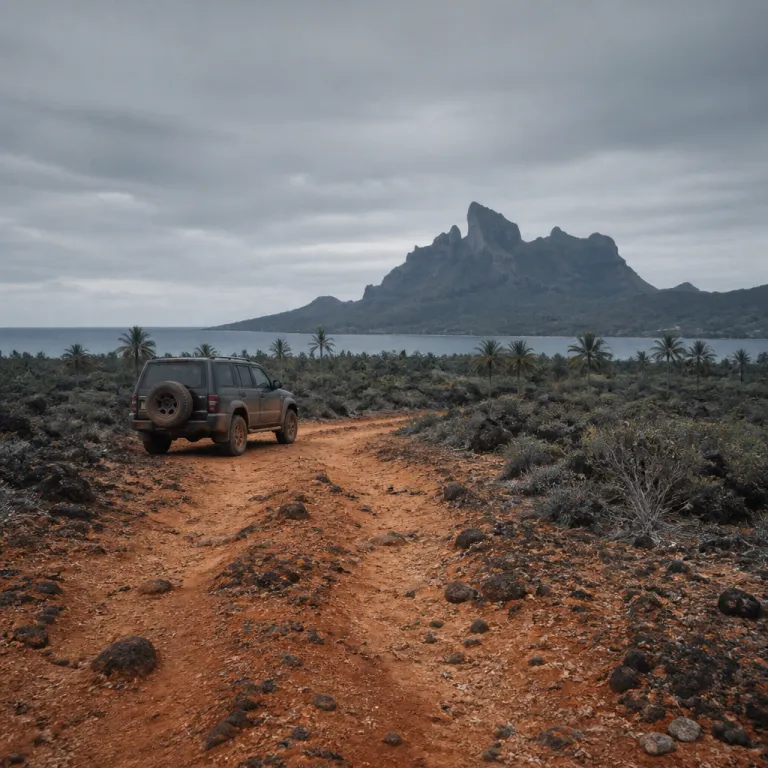
Why the mount Otemanu 4x4 safari in Bora Bora belongs on your itinerary
The mount Otemanu 4x4 safari Bora Bora travelers whisper about is not a thrill ride, it is the missing inland chapter to a lagoon obsessed itinerary. On the main island of Bora Bora, a guided jeep tour climbs from coastal road to jungle track, trading overwater decks for ridgelines where the bora lagoon suddenly looks like a topographic map of blues and greens. If you usually plan every tour around the water, this land based safari will rebalance your trip and quietly become the half day you remember most.
Most safari tours start with hotel pick up on the main island, then circle island Bora Bora clockwise, ducking inland whenever the track steepens toward mount Otemanu or neighbouring Mount Pahia. Your guide handles the low gear driving while you stand in the open back, watching the land tilt and the lagoon tour boats shrink into coloured specks below. On a clear day, the jeep tour pauses at viewpoints where the entire bora lagoon wraps around you, motu islets, reef passes and the open Pacific beyond French Polynesia’s protective coral ring.
This is still French Polynesia, so the pace stays unhurried even when the gradient does not, and the commentary moves easily between geology, culture and practical tips for the rest of your stay. A good guide will explain how this island in French Polynesia rose from the sea, why mount Otemanu cannot be summited safely, and which resort piers line up with the best sunset angles. For solo travelers who want more context than a standard excursion Bora Bora by boat can offer, the mount Otemanu 4x4 safari Bora Bora experience turns the island itself into an open air classroom.
Inside the backcountry: tracks, viewpoints and the flanks of Otemanu
Once the tyres leave the coastal ring road, the mount Otemanu 4x4 safari Bora Bora experience shifts from postcard to texture, with red earth, slick roots and the smell of crushed leaves under the wheels. The jeep tour climbs through farmland where fruit tasting stops might include mango, papaya or banana straight from the tree, then continues onto steeper land where only safari bora style vehicles and local trucks dare to go. From here, the lagoon falls away and the island’s volcanic spine, including the sheer faces of mount Otemanu, closes in.
Most safari tours follow a loose circuit of interior viewpoints, each framing a different relationship between land and sea, between the main island and the outer motu. One stop might look down on tour Bora boats tracing white wakes across the bora lagoon, while another reveals how the main island funnels rain toward the reef, feeding the coral gardens you will later visit on a lagoon tour or jet ski outing. Your guide usually times these pauses so the light is soft, which matters when you are photographing dark basalt cliffs against the neon water of French Polynesia.
Along the way, the guide often points out remnants of old tupuna, or ancestral, pathways that once linked coastal villages to inland gardens, giving context to the name Tupuna Safari sometimes used for these adventure tours. You may pass simple shrines, old World War II tracks and viewpoints where the flanks of mount Otemanu feel close enough to touch, even though the summit remains off limits. For travelers who care about reef protection, pairing this inland context with a responsible snorkelling experience, such as those described in this piece on snorkeling without touching the reef, turns Bora French Polynesia from a pretty backdrop into a living, layered destination.
World War II relics and why Otemanu itself stays off limits
One of the quiet surprises of a mount Otemanu 4x4 safari Bora Bora outing is how much twentieth century history hides in the hills. During World War II, the United States established a military presence on this island in French Polynesia, leaving behind coastal defence guns and concrete platforms that now sit half reclaimed by jungle. Many safari tours pause at these sites, where your guide explains in simple terms why Bora Bora mattered strategically and how the guns once guarded the passes in the reef.
These stops are not museums, they are open air reminders that this lagoon once hosted convoys rather than honeymoon catamarans, and they add a layer of narrative you will not get from a standard lagoon tour. Standing beside a rusting gun barrel while looking out over the bora lagoon, you see the same channels you will later cross by jet ski or outrigger canoe, but now with a sense of how global events once reached this remote corner of French Polynesia. For solo travelers who like their adventure tours with context, this blend of land, sea and history feels quietly satisfying.
As for the peak itself, mount Otemanu remains unclimbed by legal routes because its rock is unstable and prone to dangerous rockfall, so no reputable guide will offer a summit excursion Bora Bora style. Instead, the best mount Otemanu views come from sanctioned viewpoints on the main island, from resort terraces and from the water during combined land sea days. If you want to balance your inland half day with something more meditative, consider an open air wellness session such as the experiences described in this guide to morning yoga on a motu, which pairs beautifully with the grounded energy of a jeep tour through the interior.
Who the inland safari suits and how to pair it with lagoon time
The mount Otemanu 4x4 safari Bora Bora experience suits travelers who want movement, story and perspective rather than another horizontal day on a sun lounger. Solo explorers in particular appreciate how a small group jeep tour on the main island creates easy conversation, with the guide acting as both driver and cultural interpreter. If you usually book only water based excursion Bora options, this inland half day will round out your understanding of Bora French Polynesia.
Most operators run the safari bora style outings as either a half day or a full day, with the shorter version leaving plenty of time for a jet ski circuit or a relaxed lagoon tour in the afternoon. A smart pattern is to book a morning land sea combination, starting with the cool air of the interior and finishing with a swim over coral gardens once the sun is higher. Many luxury resort concierges on island Bora Bora can arrange these adventure tours directly, coordinating hotel pick up, fruit tasting stops and even a post tour lunch reservation with a view of mount Otemanu.
If you prefer to curate your own sequence of activities from your resort or main island hotel, look for inspiration in this overview of elegant ways to enjoy Bora Bora activities from your luxury hotel. That kind of planning lets you pair a morning jeep tour with an afternoon paddleboard session or a quiet snorkel, rather than stacking high energy jet ski laps on top of a bumpy safari. The result is a trip where each tour, whether on land or lagoon, feels intentional rather than obligatory.
Practical tips for booking from a luxury hotel and what to expect
From a logistics perspective, arranging a mount Otemanu 4x4 safari Bora Bora outing from a luxury resort or main island hotel is straightforward, but a few details will elevate the experience. First, decide whether you want a half day or full day format, bearing in mind that the half day version leaves more space for spontaneous lagoon time or a last minute jet ski booking. Second, confirm whether your tour Bora operator includes hotel transfers by boat if you are staying off the main island on a motu based resort.
Footwear matters more than many guests expect, because the jeep tour often involves short walks to viewpoints, fruit tasting stops in small plantations and occasionally slightly muddy paths. Closed shoes with grip are ideal, especially if recent rain has turned the land tracks slick, and a light shirt helps with both sun and the occasional brush with foliage. Your guide will usually provide water and commentary in either English or French, reflecting the bilingual character of French Polynesia and the international mix of safari tours guests.
For those comparing different adventure tours, look at group size, the balance between driving and walking, and whether the itinerary focuses more on history, scenery or cultural stops such as tupuna related sites. Some programs marketed as Tupuna Safari style experiences lean into storytelling about ancestral land use, while others emphasise photography of mount Otemanu from multiple angles around the bora lagoon. Whatever you choose, the inland safari bora experience will give you a new mental map of the island, making every later boat trip, snorkel or sunset drink feel more anchored in the real geography of Bora French Polynesia.
FAQ
Is the mount Otemanu 4x4 safari in Bora Bora suitable for solo travelers ?
Yes, the mount Otemanu 4x4 safari Bora Bora experience works very well for solo travelers because it is usually run as a small group jeep tour with hotel pick up and drop off. You share the vehicle with other guests, which makes it easy to meet people while still having space to enjoy the views in silence. Guides are used to answering individual questions, so you get a personalised sense of the island and lagoon without needing to organise anything yourself.
Can you hike to the summit of mount Otemanu from the main island ?
No, there is no legal or safe hiking route to the summit of mount Otemanu from the main island of Bora Bora. The rock is unstable and prone to rockfall, so reputable safari tours and adventure tours only approach the flanks for viewpoints, never the peak itself. If you want dramatic views, combine a mount Otemanu 4x4 safari Bora Bora outing with a lagoon tour or jet ski circuit that frames the mountain from the water.
How long does a typical inland safari in Bora Bora last ?
Most inland jeep tour options are offered as either a half day or a full day experience, with the half day version being the most popular among luxury hotel guests. A half day mount Otemanu 4x4 safari Bora Bora itinerary usually runs for around three to four hours including hotel transfers, fruit tasting stops and multiple viewpoints. Full day formats often add extended cultural visits, extra photo stops over the bora lagoon and sometimes a simple lunch on the main island.
What should I wear and bring on a 4x4 safari in Bora Bora ?
Wear light, breathable clothing, closed shoes with good grip and bring a hat, sunglasses and reef safe sunscreen, because the sun in French Polynesia is strong even on cloudy days. A small daypack for water, a camera and a light rain jacket is useful, especially if your mount Otemanu 4x4 safari Bora Bora outing includes short walks on muddy land. Most guides provide drinking water, but checking this when you book through your resort or hotel concierge is wise.
Can I combine an inland safari with lagoon activities on the same day ?
Yes, many travelers deliberately book a morning half day safari bora style jeep tour followed by afternoon lagoon time, creating a balanced land sea experience. You might spend the morning on the main island viewpoints and World War II sites, then join a relaxed lagoon tour or jet ski circuit once the heat builds. Coordinating these through your luxury resort or main island hotel concierge helps ensure transfers line up smoothly and your mount Otemanu 4x4 safari Bora Bora schedule stays comfortable rather than rushed.