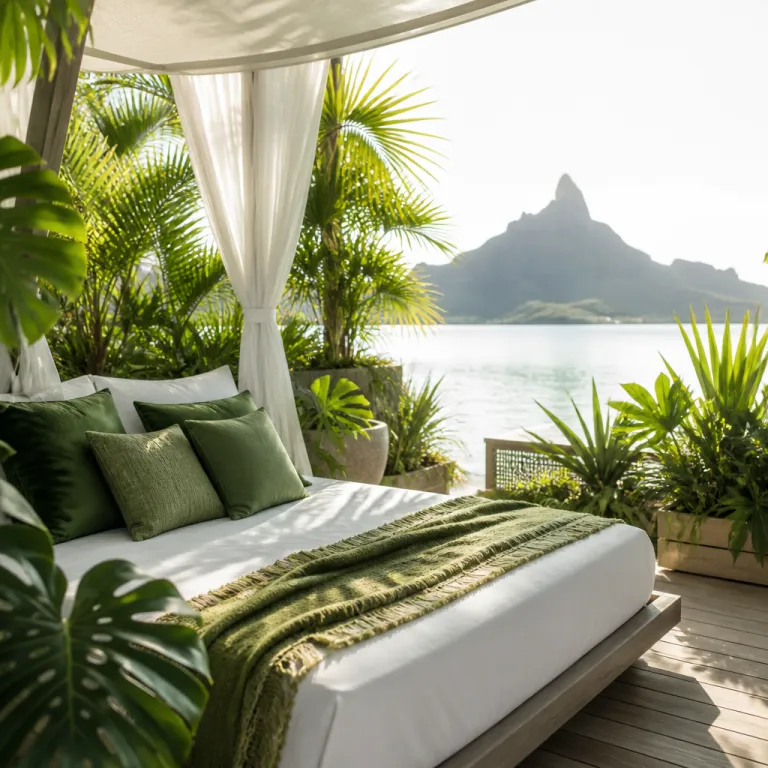
Why sleep tourism in Bora Bora speaks to exhausted executives
Sleep tourism in Bora Bora is not about adding more activities to an already crowded itinerary. It is about using the island’s silence, the overwater stillness and the lagoon’s white noise to create a stay that finally lets your nervous system stand down. For business travelers turning a work trip into a leisure extension, this shift from performance to presence is the real luxury.
The concept of sleep tourism in Bora Bora rests on a simple idea ; you travel far enough, and intentionally enough, that rest becomes the main purpose of the journey rather than a side effect. On this Polynesian island, where the main island rises under Mount Otemanu and the outer motu ring the lagoon, resorts quietly compete to offer the most restorative accommodation rather than the flashiest Instagram moment. That is why executives who stay in Bora Bora often plan three or four nights of doing almost nothing, and then guard that time as fiercely as any board meeting.
Arriving by boat transfer from the airport is the first forced gear change for sleep tourism in Bora Bora. The hull cuts across the lagoon, Mount Otemanu grows larger, and the city’s notifications feel very far away as you approach your chosen resort Bora property. By the time you step onto the sand beach jetty, the idea of paying a premium to do less rather than more suddenly feels rational, even necessary.
How overwater bungalows became temples of intentional rest
The overwater bungalow was invented in French Polynesia, and Bora Bora has turned it into a precision tool for sleep. Suspended above the lagoon rather than the main island, these overwater bungalows remove street noise, reduce light pollution and replace urban hum with the soft percussion of water under timber. For sleep tourism in Bora Bora, that acoustic shift is as important as any spa treatment.
In practice, the best overwater bungalows and overwater villas for rest are not always the ones with the most dramatic Instagram angles. You want a bungalow that faces away from the busiest boat channels, with enough distance between neighboring bungalows that you do not hear late night conversations on the deck. When you read reviews of Bora best stays for sleep, pay attention to comments about how quiet the overwater accommodation feels at night and whether the lagoon breeze is gentle or gusty.
Some resorts Bora wide now design specific sleep friendly categories, such as end of pontoon overwater bungalows with blackout curtains, circadian friendly lighting and direct ladder access to the lagoon for a pre sleep float. If you are planning underwater photography sessions or early dives, pairing a quiet overwater bungalow with guidance from a specialist resource on underwater photography in Bora Bora helps you keep days focused yet calm. The result is a stay in Bora Bora where your nights are deep and your days are structured around gentle, intentional activity rather than constant stimulation.
Resorts that build rest into the product, from Four Seasons to new players
Not every Bora resort is equally serious about sleep tourism, and that matters when you are paying for intentional rest. Four Seasons Resort Bora Bora has leaned into this shift with its Awaken program, which emphasizes breathwork, meditation and nutrition instead of only classic spa indulgence. For executives used to red eye flights and jet lag, a seasons resort that treats sleep as a core pillar rather than a side benefit is worth the premium.
Across the lagoon, a newer luxury property such as the reimagined Westin on the main island positions itself as a contemporary answer to sleep tourism in Bora Bora. A detailed review of the Westin Bora Bora after its rebrand shows how upgraded bedding, soundproofing and room orientation toward calmer lagoon sections can matter more than yet another infinity pool. When you compare resorts Bora wide, look beyond the headline luxury offers and ask how each property handles blackout, noise control and in room climate for uninterrupted rest.
Legacy names such as Sofitel Marara, once located Matira on the celebrated southern coast, helped define the classic Bora Bora beach resort template with bungalows close to the sand beach and easy access to Matira Beach. Newer entrants and every seasons Bora style property now refine that model with quieter air conditioning, pillow menus and no agenda wellness programming. The most effective sleep tourism Bora Bora experiences come from resorts that understand you are buying eight perfect hours a night, not just a glamorous overwater photograph.
Hidden corners of Bora Bora that actually feel quiet
For all its postcard fame, Bora Bora still has pockets that feel almost private, and these hidden gems are where sleep tourism quietly thrives. Matira Beach on the main island is famous, yet if you walk beyond the busiest stretch you find smaller coves of white sand where the only sound is the lagoon folding onto the shore. Choosing accommodation near but not directly on the loudest part of Matira can give you daytime access to the scene and nighttime access to silence.
Some of the most restful stays sit on outer motu facing Mount Otemanu, where the view is cinematic but the atmosphere is village calm. A carefully chosen Bora resort on a quieter motu will often have fewer overwater bungalows, a smaller swimming pool and a more restrained entertainment schedule, which suits executives seeking early nights. When a property’s nightly program ends by ten and the bar closes soon after, you know the resort is aligned with sleep tourism in Bora Bora rather than late night partying.
On the main island, look for small clusters of bungalows set back from the road, where the only traffic is the occasional bicycle heading toward the beach. A refined lagoonfront address such as Le Méridien Bora Bora shows how a beach resort can balance access and quiet by orienting rooms toward the lagoon and away from service areas. When you evaluate Bora best options for rest, ask the property to reply with specifics about room location, prevailing winds and any potential noise from generators or nearby docks.
Designing your own restorative stay: practical sleep strategies
Turning a standard holiday into a sleep tourism Bora Bora retreat requires a few deliberate choices. Start by booking at least three consecutive nights in the same overwater bungalow or beach bungalow, because your body needs repeated cues from the same environment to deepen rest. Then, strip your schedule down to one gentle activity per day, such as a slow lagoon cruise or a short hike on the main island, and let the rest of the time remain unplanned.
Room orientation matters more than many guests realize when they plan a luxury stay in French Polynesia. Ask for a bungalow that faces away from the prevailing wind, with minimal exposure to boat traffic and as much distance as possible from the main pool or restaurant. If you are staying at a Bora resort with both overwater and garden bungalows, consider splitting your stay so you experience the overwater hush first and then finish with a grounded night on the sand beach to prepare for the flight home.
Inside the room, treat lighting and temperature as tools rather than background details during your stay in Bora Bora. Use warm, low level lamps after sunset, keep screens off for at least an hour before bed and set the air conditioning slightly cooler than you would at home to mimic a natural night drop. When you reply to pre arrival emails from resorts Bora wide, request extra blackout curtains, a specific pillow type and confirmation that any nearby swimming pool or beach resort bar closes early enough to protect your sleep window.
FAQ
What is sleep tourism in Bora Bora and who is it for ?
Sleep tourism in Bora Bora is a style of travel where rest is the primary goal, not a side benefit. It suits executives and frequent travelers who arrive exhausted and want a luxury environment that supports deep, uninterrupted sleep. Overwater bungalows, quiet motu resorts and no agenda days make the island ideal for this kind of stay.
Are overwater bungalows really better for sleep than beach bungalows ?
Overwater bungalows often provide superior sleep because they sit away from road noise and use the lagoon’s gentle sounds as natural white noise. You are also further from late night foot traffic heading to and from restaurants or bars. Beach bungalows can still be excellent if they are set back from busy paths and oriented away from any loud public areas.
Which areas of Bora Bora are quietest for a restorative stay ?
Outer motu facing Mount Otemanu tend to be the quietest, with fewer neighbors and limited boat traffic. On the main island, the calmer ends of Matira Beach and smaller sand beach coves offer peaceful days and early nights. When booking, ask the resort to specify how far your room is from the pool, bar and any service docks.
How many nights should I plan for a sleep focused trip ?
Most travelers need at least three nights in the same accommodation to feel a real reset. Executives combining business and leisure often book four or five nights to allow one travel day, three full rest days and a final transition day. The key is to avoid constant hotel hopping so your body can associate one space with deep rest.
Is paying for a luxury resort worth it if I only want to rest ?
For sleep tourism in Bora Bora, the premium often buys silence, better bedding and thoughtful room design rather than just status. High end resorts usually offer superior soundproofing, blackout options and calmer locations, which directly affect sleep quality. If deep rest is your priority, it can be more valuable to invest in a quieter luxury property than in extra excursions or upgrades elsewhere.