Choosing the right base in Bora Bora for serious underwater photography
For underwater photography in Bora Bora dive sites, your hotel choice shapes every frame. On this island, the smartest luxury stays sit close to the outer reef and the clearest sections of the lagoon, which means less time in the boat and more time in the water. If you care about manta rays, reef sharks and coral gardens as much as thread count, location becomes your first technical decision.
Look for high end resorts on motu islets facing the main island of Bora, ideally with direct access to a shallow coral reef and a sheltered lagoon entry. Properties that host on site scuba diving centers or partner closely with bora diving operators will streamline your diving experience, from early open water departures to secure gear storage between dives. When you compare options on stay-in-bora-bora.com, prioritise those that mention dedicated rinse tanks, camera tables and staff used to handling housings for underwater photographers.
Many premium hotels in French Polynesia now work with specialist guides who understand both marine life and underwater photography, which matters if you are chasing specific subjects like lemon sharks or a single manta ray at a cleaning station. Ask whether the resort’s dive équipe runs small groups of divers, as fewer fins in the water mean less silt and clearer shots at every dive site. If you are planning a combined trip that includes a lagoon wedding or private event, consider aligning your stay with properties highlighted in this guide to overwater luxury ceremonies, then confirm that their concierge can coordinate bespoke scuba diving and snorkeling charters.
Essential camera gear for Bora Bora’s lagoon and outer reef
Underwater photography in Bora Bora dive sites rewards both minimal and advanced setups. The lagoon’s visibility often reaches around 30 depth meters, so even a simple GoPro style action camera can capture tropical fish and rays with surprising clarity. For divers who want editorial level images of coral reef structures and sharks, a mirrorless or DSLR rig with strobes becomes the better tool.
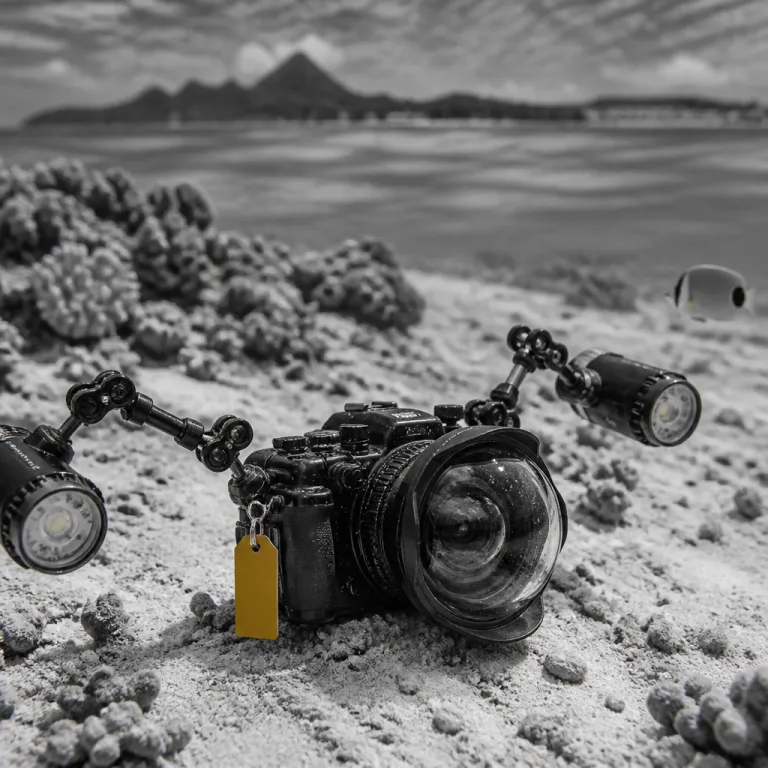
At the entry level, a recent action camera in a proper underwater housing works well for wide angle scenes of the lagoon and for casual dives with reef sharks or eagle rays. Step up to a compact camera with manual controls and you gain the ability to fine tune exposure and white balance when scuba diving along a coral garden or during a drift dive on the outer reef. Serious underwater photographers often travel with Canon 5D Mk IV & III bodies inside a Nauticam Housing, paired with Inon Strobes and sometimes LED Lights & UW Drone LEDs for night work on deeper dive sites.
Whichever system you choose, bring dual handles for stability, a red filter for natural light shooting in clear water and at least one focus light for low contrast scenes. Check that your housing is rated well beyond the maximum depth meters you expect to reach during scuba diving, especially if you plan technical dives or repeated descents on the same dive site. Before leaving Tahiti or any other hub in French Polynesia, test every seal and button, because fixing a leak once you reach this island is far harder than upgrading a room category at your luxury hotel.
Dialing in camera settings for Bora Bora’s tropical water
Light behaves differently underwater, and Bora Bora’s lagoon is no exception. As you descend, water filters out reds and oranges, so uncorrected images of coral and fish quickly turn blue green. To keep underwater photography in Bora Bora dive sites looking natural, you need to manage white balance, strobes and shutter speed with intention.
For shallow dives over a coral garden at 5 to 10 depth meters, start with aperture around f/5.6 to f/8, shutter speed near 1/160 and ISO between 200 and 400. Set custom white balance using a white slate or sand patch, especially when shooting tropical fish and rays in ambient light without strobes. When you move to deeper dive sites or chase fast moving sharks such as reef sharks and lemon sharks, increase shutter speed to 1/250 or faster and let ISO rise to keep exposure balanced.
Strobes like Inon units help restore colour and contrast on coral reef walls and during scuba diving along the outer reef, but they also reveal particulate in the water if aimed incorrectly. Keep strobes slightly behind the housing and angled outward to minimise backscatter, particularly on dives where other divers have already disturbed the sand. For wide angle scenes of manta rays or a single manta ray gliding through open water, many underwater photographers prefer natural light with a slightly warmer white balance, which preserves the gradient between the turquoise lagoon and the deep blue of the Pacific beyond French Polynesia’s barrier reef.
The best Bora Bora dive sites for different photographic subjects
Not every dive site around Bora Bora suits every subject, so plan your dives like a shot list. For manta rays, local operators often visit cleaning stations on the outer reef, where a single manta ray or several manta rays circle patiently above coral heads while small fish attend them. These sites usually sit between 15 and 25 depth meters, which keeps you within recreational limits while still offering dramatic open water backdrops.
If sharks are your priority, ask your resort’s dive center about passes where reef sharks and occasional lemon sharks patrol the current. These dives can turn into a gentle drift dive along the reef, with divers positioned slightly above the coral reef to frame sharks against the blue water. When booking with bora diving operators, mention that your focus is underwater photography in Bora Bora dive sites, so they can choose the best time and current direction for clear water and minimal crowds.
For colour and texture, the lagoon’s coral gardens remain unmatched, especially the shallow coral garden sites accessible by both snorkeling and scuba diving. Here, tropical fish swarm over branching coral, rays cruise the sand channels and the light stays bright enough for natural light photography throughout most of the day. If you are building an itinerary that mixes underwater sessions with surface level experiences, pair these coral garden mornings with an evening at one of the sunset dining spots where the view rivals the menu, giving you both reef and restaurant shots in a single day.
Timing, logistics and photo friendly operators on the island
Timing your dives around light and logistics is as important as choosing the right camera. Early morning often brings the calmest water and the softest light, which flatters both marine life and the lagoon’s surface when you shoot half and half frames. Midday sun can be harsh above water but delivers strong beams below, especially over white sand and shallow coral gardens.
From August to October, conditions tend to align for the best visibility, which benefits underwater photography in Bora Bora dive sites across the lagoon and outer reef. Local data suggests average water temperature hovers around 27 °C year round, so a 3 mm wetsuit usually keeps divers comfortable during multiple dives per day. Many luxury resorts in French Polynesia partner with on site or nearby operators who understand that underwater photographers need slower pace dives, careful positioning relative to rays and sharks, and time to compose shots rather than racing through a site.
When choosing between bora diving outfits, ask specific questions about group size, maximum number of dives per day and whether they offer private charters for serious underwater photographers. Clarify if they provide camera rinse tanks with fresh water on board, padded storage and briefings tailored to marine life behaviour at each dive site. If your trip also includes exploring hidden coves and viewpoints on land, cross reference your plans with this guide to island attractions and hidden gems beyond the lagoon, then schedule your non diving days after deeper scuba sessions to respect safe surface intervals.
Protecting gear, respecting marine life and planning your stay
Luxury travel and responsible diving go hand in hand on this island. Your underwater photography in Bora Bora dive sites should never come at the expense of coral, fish or rays, no matter how tempting the shot. Treat every coral reef as fragile architecture and every shark or manta ray as a resident, not a prop.
Use padded carry ons for camera bodies and housings when flying into Tahiti and onwards to Bora, keeping strobes and lenses in separate compartments. Once at your hotel, store gear in a cool, dry corner of the room and rinse housings thoroughly with fresh water after every dive, paying attention to buttons and O rings. Before each descent, run a quick pre dive check on your housing, then have your dive buddy or guide inspect it again at a few depth meters to catch any leaks early.
Respect local regulations around marine life interactions, especially at manta cleaning stations and shark aggregation areas in French Polynesia. Some areas may have regulations; always check with local authorities or dive operators. A standard scuba certification is sufficient; specialized courses can enhance skills. What is the best time for underwater photography in Bora Bora? August to October offers optimal conditions with clear visibility. Are there any restrictions on underwater photography in Bora Bora? Some areas may have regulations; always check with local authorities or dive operators. When you book through a premium hotel or a trusted bora diving partner, you gain access to guides who know when to hold position, when to drift and when to leave a site untouched for the sake of long term marine life health.
Key figures for underwater photography and diving in Bora Bora
- Bora Bora’s average water temperature sits around 27 °C, which allows divers and underwater photographers to stay comfortable in a 3 mm wetsuit during repeated dives across the lagoon and outer reef (Underwater Atlas).
- Typical visibility reaches about 30 meters in many lagoon and outer reef areas, giving underwater photography in Bora Bora dive sites a clarity that suits both wide angle coral reef scenes and open water shark encounters (Underwater Atlas).
- The island offers roughly 10 regularly visited dive sites, ranging from shallow coral garden locations to deeper outer reef walls where reef sharks, lemon sharks and manta rays are frequently seen (Underwater Atlas).
- Manta ray and humpback whale activity peaks between July and November, while overall peak diving conditions are usually from August to October, which helps photographers plan trips around the most reliable marine life encounters.
- Trends in French Polynesia show increased use of mirrorless cameras underwater and growing interest in blackwater diving, reflecting a shift toward more specialised underwater photography experiences among advanced divers.
FAQ about underwater photography and dive sites in Bora Bora
What is the best time for underwater photography in Bora Bora?
August to October offers optimal conditions with clear visibility, making this period ideal for underwater photography in Bora Bora dive sites. During these months, water conditions in the lagoon and on the outer reef are usually stable, which benefits both scuba diving and snorkeling. You also overlap with manta ray and humpback whale seasons in French Polynesia, increasing your chances of memorable marine life encounters.
Do I need a special certification for underwater photography?
A standard open water scuba certification is sufficient for most underwater photography in Bora Bora dive sites. However, photographers who want to work at deeper depth meters or manage complex camera systems often benefit from advanced scuba diving and buoyancy control courses. Some local operators and resort dive centers also offer workshops focused on underwater photography techniques in clear tropical water.
Are there any restrictions on underwater photography in Bora Bora?
Some areas may have regulations; always check with local authorities or dive operators. Protected zones, manta cleaning stations and certain shark sites in French Polynesia can have specific rules about approach distances, flash use or the number of divers allowed. Respecting these guidelines helps preserve marine life and ensures that underwater photographers remain welcome at sensitive dive sites.
Can I rent underwater camera gear on the island?
Several dive centers and luxury resorts on Bora Bora offer rental options for basic underwater cameras or GoPro style systems. Availability for advanced housings and strobes is more limited, so serious underwater photographers usually bring their own rigs from Tahiti or home. Always confirm rental stock, insurance terms and compatibility with your planned dives before finalising your hotel and operator bookings.
Which Bora Bora dive sites are best for beginners with cameras?
Shallow coral garden areas inside the lagoon are ideal for beginners combining scuba diving or snorkeling with underwater photography. These sites typically range from 3 to 10 depth meters, with gentle water movement, abundant tropical fish and frequent rays. New divers can focus on buoyancy and composition without the added stress of strong currents or very deep open water conditions.