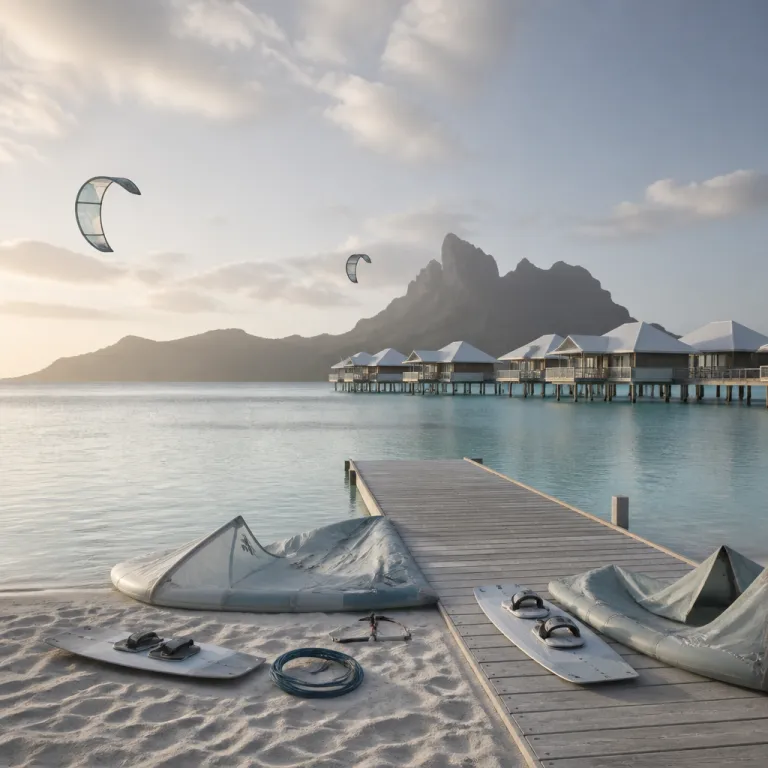
Why the Bora Bora lagoon becomes a kitesurfing playground in trade wind season
Kitesurfing the Bora Bora lagoon is a different proposition once the southeast trade winds settle in. From May to October, those steady breezes turn French Polynesia’s most photographed island into one of the best flat water arenas in the South Pacific, especially for riders who want progression rather than just postcard views. Local kitesurfers quietly time their sessions to the daily rhythm of the wind, often riding two to three hours around mid afternoon when the breeze peaks and the light over the lagoon turns electric.
Regional wind statistics from Météo-France and local operators such as Kitesurf School Polynésie indicate that Bora Bora experiences usable wind on well over 250 days per year, which means kitesurfing sessions are rarely a gamble during the core trade wind months. June through September usually brings 15 to 25 knot southeast wind, strong enough for a 7 to 10 metre kite for most riders, while shoulder months see softer conditions that suit larger sizes and relaxed cruising. Outside this window, from November to April, conditions become more variable with passing squalls, yet the lagoon still offers glassy early morning runs for foil boards and wing foil when the breeze is lighter.
For a solo explorer planning a luxury stay, this seasonal pattern matters as much as room category. If your priority is kitesurfing Bora Bora lagoon sessions every day, aim for the May to October period and choose an island or motu property with quick boat access to the southern flats and to Pointe Matira. If you are balancing kite surfing with long lunches, spa time and fine dining, a shoulder season trip lets you ride when the wind cooperates and then retreat to your overwater villa when tropical showers sweep across French Polynesia skies.
Reading the lagoon: Matira, Pointe Matira and the southern motu flats
The geography of the Bora Bora lagoon is what makes it so compelling for kitesurfing, especially if you are used to open ocean chop. Inside the barrier reef, the water stays shallow and remarkably flat, so your kite surf board feels like it is gliding over polished glass rather than fighting swell. That same barrier reef also keeps marine life encounters gentle near the main spots, with rays and reef sharks cruising the sandy bottom while kites trace bright arcs above.
On the main island, Matira Beach is the social heart of kitesurfing Bora, with a wide sandy arc that works as a launch area when the southeast wind angles correctly. Just around the corner, Pointe Matira and the broader Bora Pointe area offer slightly deeper water and more space, which advanced riders prefer for powered tricks and long tacks across the lagoon. Local riders and every serious kitesurf school agree on one key point: “Is kitesurfing suitable for beginners in Bora Bora? Yes, especially at Pointe Matira with its shallow waters.”
For a luxury traveler, the choice is between staying on the main island near Matira’s French Polynesian shores or booking a motu resort that faces the southern flats. Motu properties give faster boat shuttles to the emptier sandbars where you can kitesurf in ankle deep slide water with only your guide and the Pacific kite horizon for company. Between sessions, many guests pair their kitesurf or kite surfing days with curated lagoon tours, including responsible shark and ray encounters that you can research in depth through this guide to what actually happens on shark feeding excursions in Bora Bora: shark feeding in Bora Bora.
Beginner to expert: matching your skills to Bora Bora’s wind and water
One of the quiet surprises of kitesurfing Bora Bora lagoon is how well it works for both first timers and seasoned freestylers. The shallow water inside the barrier reef, especially around Pointe Matira and the southern motu banks, creates forgiving conditions where you can stand up, reset your kite and relaunch without drama. That combination of warm water, soft sand and consistent wind makes this one of the best places in French Polynesia for a first kitesurf lesson or a focused progression week.
Local kitesurf school teams such as Kitesurf School Polynésie and Bora Bora Kite & SUP usually structure sessions in two to three hour blocks, with radio helmets and boat support, so you are never far from help if your kite drops. Instructors are used to guests arriving from Tahiti or other French Polynesia islands with zero experience, and they tailor the day so you can safely move from body dragging to your first long slide water runs. For more advanced riders, private coaching focuses on unhooked tricks, foil transitions or wing foil skills, using the flattest sections of the lagoon as a natural training park.
If you already ride confidently, you can plan a full day of kitesurfing that starts with a dawn foil session in lighter wind, followed by a powered twin tip ride once the breeze fills in. Solo travelers often combine these high energy hours with quieter activities such as snorkelling coral gardens, booking a short helicopter flight that changes how you see the lagoon from above through this curated experience: helicopter over Bora Bora. The key is to be honest about your level when you book, so your guide can choose the right kite sizes, the safest launch spot and the most rewarding line across Bora Bora’s outer reef and inner waters.
Where to stay and how to weave kitesurfing into a luxury Bora Bora trip
Choosing the right hotel is as critical as reading the wind when your focus is kitesurfing Bora Bora lagoon sessions. Properties on the southern motu chain give the fastest access to the prime flat water banks, while stays near Matira Beach and Bora Pointe Matira keep you close to the island’s most flexible launch zones. When you compare options, ask each resort how they handle kite logistics, whether they partner with a dedicated kitesurf school and how quickly a boat can get you from your villa to the day’s chosen spot.
For many guests, the sweet spot is a resort that understands both the rhythm of the wind and the cadence of a high end holiday in French Polynesia. You might book a full day private boat charter that combines kitesurf, wing foil and relaxed snorkelling over coral heads where marine life is at its most colourful, then return in time for sunset cocktails and a refined dinner. On evenings when you want to trade neoprene for linen, consider heading into the village for an intimate fine dining landmark such as this much loved restaurant, which pairs lagoon fresh fish with a serious wine list: Villa Mahana restaurant in Bora Bora.
Gear logistics are straightforward whether you arrive from Tahiti or another island in French Polynesia; most riders bring harnesses and favourite bars, then rent kites and boards locally to match the week’s conditions. Resorts and operators can usually arrange pacific kite sessions on short notice during the peak trade wind season, but serious kitesurfing guests should still pre book key days, especially if they want coaching or specific kite sizes. Local guides will also brief you on basic lagoon rules, right of way and no-go zones near boat channels, so the Bora Bora lagoon becomes the spine of your itinerary rather than a backdrop, with each session shaped by the wind, the light and the quiet satisfaction of carving your own line across one of the world’s most storied pieces of water.
FAQ
When is the best season for kitesurfing the Bora Bora lagoon ?
The most reliable period for kitesurfing Bora Bora lagoon runs from May to October, when southeast trade winds blow steadily across the lagoon. During these months, you can expect 15 to 25 knot wind on many days, creating ideal conditions for both learning and advanced freestyle. Outside this window, you can still kitesurf, but wind becomes more variable and sessions often shift to early morning or late afternoon.
Is kitesurfing in Bora Bora suitable for complete beginners ?
Yes, Bora Bora is well suited to first time kitesurfers thanks to its shallow, flat water inside the barrier reef. Pointe Matira and nearby sandbars offer waist deep water where you can stand, reset your kite and practise safely with close support from a kitesurf school boat. Structured lessons of two to three hours allow beginners to progress from body dragging to short rides within a few days.
Do I need to bring my own kite gear to French Polynesia ?
Bringing your own harness and perhaps a favourite board is convenient, but not essential for kitesurfing Bora. Several local operators maintain modern quivers of kites, twin tips, foil boards and wing foil equipment sized for typical trade wind conditions. Luxury resorts can coordinate rentals and storage, so you travel lighter while still riding gear that suits the day’s wind strength and your weight.
Which areas of the lagoon are best for advanced riders ?
Experienced kitesurfers usually gravitate to Bora Pointe Matira, the outer edges of the southern motu flats and sections closer to the barrier reef where the wind is cleaner. These zones offer more space, deeper water and longer tacks, which are ideal for powered tricks, big jumps and foil transitions. Guides will choose the exact spot each day based on wind direction, tide and overall safety conditions.
How does kitesurfing fit into a wider Bora Bora itinerary ?
Most luxury travelers treat kitesurfing as one highlight among several lagoon based experiences rather than the only focus. You can schedule two or three key kitesurf days, then fill other hours with snorkelling coral gardens, relaxed lagoon tours, spa treatments and fine dining on the island or motu. This balance keeps your body fresh for the windier days while still letting you enjoy the full range of what French Polynesia Bora offers beyond the kite.