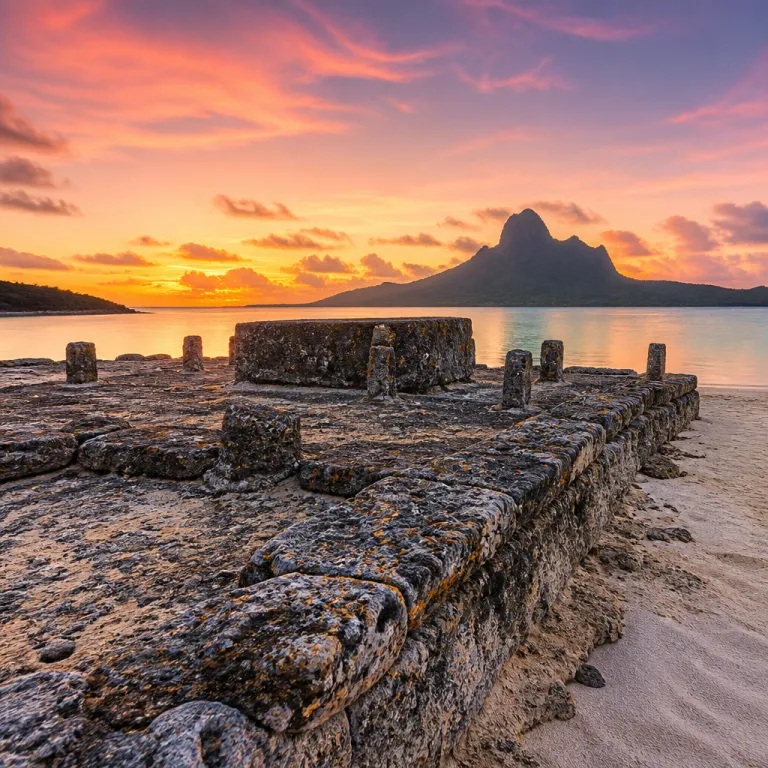
Why marae matter when you plan a luxury stay in Bora Bora
The phrase “marae Bora Bora ancient temples” sounds academic, yet it shapes how you feel the island the moment you arrive. These open air stone platforms sit quietly behind palm groves and luxury resorts, but they still anchor the spiritual gravity of this island in the Society Islands of French Polynesia. When you choose where to stay, understanding how each marae site fits into the wider cultural landscape turns a beautiful trip into a genuinely meaningful travel experience.
Archaeologists link the first settlement of this island to early Polynesian voyagers who sailed from Samoa or Tonga across the South Pacific, bringing with them the concept of the marae sacred enclosure. On Bora itself, these sacred sites became the stage where spiritual leaders, local chiefs and wider society met to worship, negotiate alliances and mark turning points in community life. The Polynesian ancestors who built each marae complex used coral stones and wooden tools, then passed down the stories of every stone through oral traditions that still echo in today’s Polynesian culture.
For a luxury traveler, this context matters as much as thread count or lagoon views, because the most refined stays now weave cultural depth into every detail. A top overwater villa on the main island or a private motu can place you within a short boat ride of at least one marae sacred platform, yet many guests never realize how close they are to these cultural landmarks. When you browse a premium booking website focused on Bora Bora and the wider Islands of Tahiti, look for properties that reference nearby marae sites and offer guided visits, not just generic island excursions.
Marae Taianapa and the main temple sites you can visit
The most accessible expression of “marae Bora Bora ancient temples” is Marae Taianapa, set near Faanui village on the northwest of the island. Here the stone ahu platform, shaded by breadfruit trees in a gentle valley, gives you a clear sense of how a marae complex once framed both sacred rituals and political decisions. You stand on the edge of the lagoon, hear church bells from modern Bora, and suddenly the continuity between past and present in French Polynesia feels very close.
Several other marae sites ring the island, some half hidden behind hibiscus hedges, others near the road that loops around this Society Islands icon. Local communities act as custodians and quietly remind visitors that “Respect sacredness. Do not climb structures. Seek local guidance.” These simple rules apply whether you are stepping onto a small marae fare platform near a family home or exploring a larger polynesia marae that once served as a regional gathering point for the surrounding islands.
From a trip planning perspective, the smartest way to approach these marae sacred spaces is to pair them with time on the lagoon, rather than treating them as a rushed stop between beach photos. Many high end resorts can arrange a private guide who collects you by outrigger after your morning snorkel, then leads you inland to a marae site where you can sit quietly and listen to stories of the old cultural society. If you are mapping out your first lagoon circuit, use this detailed guide to the five essential lagoon stops and then ask your concierge to add a land based marae visit to balance the day.
How Bora Bora’s marae differ from other Society Islands temples
When you hear people talk about “marae Bora Bora ancient temples”, they often compare them to the grander complexes on Raiatea or Tahiti. The most famous example is Marae Taputapuātea on Raiatea, a UNESCO listed marae complex that once linked chiefs from across the Islands of Tahiti and the wider South Pacific. That site, often called Taputapuātea Marae, feels monumental, while Bora’s marae feel more intimate and closely tied to daily village life.
On Tahiti island, the best known example is Marae Arahurahu, a carefully restored marae sacred space used for cultural performances that showcase living Polynesian culture. These larger Society Islands sites reveal how a stratified cultural society once operated, with high chiefs, priests and warriors all assigned specific roles within the marae complex. By contrast, Bora’s marae fare platforms tend to sit closer to homes and gardens, reminding you that spiritual practice here was woven directly into family life rather than separated on a distant ceremonial island.
For a traveler choosing where to stay, this difference has practical implications, because you can pair a high end resort in Bora with a day trip to Raiatea or Tahiti islands if you want to experience both scales of sacred architecture. Some luxury itineraries now combine a lagoon facing villa on Bora with a short hop to Raiatea, where you can walk the stones of Marae Taputapuātea in the morning and return to your overwater deck by sunset. When you evaluate new property openings or renovations, such as those highlighted in this analysis of recent changes reshaping the luxury map, ask how easily each resort connects you to both local marae and the wider network across French Polynesia.
Living culture: ceremonies, oral traditions and the role of marae today
The phrase “marae Bora Bora ancient temples” can sound like these places belong only to the past, yet they still shape how people on the island understand themselves. While formal rituals no longer take place regularly on most marae, local elders continue to use these open air platforms as teaching grounds for future generations. Children learn how the island was once called Pora Pora i te pora, meaning “created by the gods”, and how that origin story connects directly to the stones beneath their feet.
Across French Polynesia, marae sacred spaces remain powerful symbols of identity, from Nuku Hiva in the Marquesas to the heart of the Society Islands. On Bora, you may see small gatherings at a marae site during cultural festivals, when chants, drums and oratory briefly bring the old protocols back to life. These moments show how polynesian culture is not a museum piece but a living system, where oral traditions, dance and language keep the link between people, land and lagoon active.
For a solo explorer staying in a luxury property, the most respectful way to engage is to ask your concierge to connect you with a local guide rather than wandering into a marae complex alone. Many guides are descendants of the Polynesian ancestors who built these structures, and they can explain how local tribes and spiritual leaders once used each opu marae or fare opu space for specific ceremonies. When you hear them describe how “A sacred Polynesian temple” functioned as both church and town hall, you begin to understand why local communities still invest energy in conservation, cultural education and careful tourism management.
Planning a respectful visit from your luxury hotel or resort
Turning “marae Bora Bora ancient temples” from a line in a guidebook into a meaningful part of your itinerary requires a little planning. Start by choosing a stay that treats culture as an asset, not an afterthought, whether you prefer a secluded motu retreat or a design forward property on the main island. When you browse a curated booking platform, look for language about partnerships with local communities, guided cultural walks and support for preservation of marae sites across Bora and the wider Islands of Tahiti.
Once you have secured your perfect lagoon facing room, speak with the concierge before arrival and request a half day focused on marae and polynesian culture rather than generic sightseeing. Ask specifically about visiting Marae Taianapa and at least one smaller marae fare or opu Bora platform, so you can compare how different spaces served different layers of society. To time your outing around the gentlest light and temperatures, consult this guide to planning the best time to visit Tahiti and Bora Bora, then align your cultural day with your preferred season.
On the ground, dress modestly, avoid loud music and treat every marae complex as you would a church or temple anywhere else in the world. Do not climb on the stones, do not move offerings and always ask before taking close up photos of people, especially during any ceremony or gathering. By approaching these sites with quiet attention, you help ensure that the 13 known marae on Bora and the many more across French Polynesia remain intact, respected and meaningful for future generations who will inherit both the islands and their stories.
How marae shape the way you feel Bora Bora’s luxury
Once you have walked a few of these “marae Bora Bora ancient temples”, the island’s luxury landscape looks different. The overwater bungalow becomes just one layer in a much older story, where the real prestige once came from standing on a marae platform and speaking for your people. You start to sense how the calm you feel on your villa deck echoes the stillness that priests and chiefs once cultivated on these same shores.
For many travelers, the most memorable moments of a high end stay here are not the spa treatments or tasting menus, but the quiet interludes when culture, landscape and comfort align perfectly. That might mean returning from a visit to Marae Taianapa, rinsing sand from your feet and then watching the same sunset that guided canoes toward Taputapuātea on Raiatea centuries ago. In that instant, the Society Islands stop being a postcard and become a connected world, where each island, each marae sacred space and each modern resort participates in a shared polynesian culture.
If you care about where your travel money flows, choosing properties that support conservation of marae sites across Bora, Tahiti and the wider French Polynesia region is one of the most effective decisions you can make. Many leading hotels now collaborate with cultural associations to fund signage, trail maintenance and educational programs that explain why a polynesia marae is more than just an archaeological site. When you align your stay with these efforts, the luxury you experience in the South Pacific feels not only perfect in the moment, but also responsible toward the cultural society that will carry these traditions forward.
FAQ
What is a marae and why is it important in Bora Bora ?
A marae is a sacred Polynesian temple built as an open air stone platform used for ceremonies, worship and community decisions. On Bora Bora, marae such as Marae Taianapa reveal how early Polynesian settlers organized their spiritual and political life on the island. These sites remain important today because they anchor local identity and connect modern residents and visitors to the deeper history of the Society Islands.
Can visitors access marae sites on Bora Bora during their stay ?
Visitors can access several marae sites on Bora Bora, including Marae Taianapa near Faanui village, often with the help of a local guide arranged through a hotel concierge. Access is generally free and ungated, but these places are still considered sacred by local communities. Guests should move quietly, avoid climbing on stones and follow any guidance provided by their host or guide.
Are marae on Bora Bora still used for traditional rituals today ?
Most marae on Bora Bora are no longer used for regular rituals, but they remain respected as cultural landmarks and are sometimes used for special ceremonies or educational events. During cultural festivals, you may see performances, storytelling or blessings that reference the old protocols once practiced on these platforms. This occasional use helps keep oral traditions alive while preserving the dignity of the sites.
How do Bora Bora’s marae compare to Marae Taputapuātea on Raiatea ?
Marae on Bora Bora tend to be smaller and more closely tied to village life, while Marae Taputapuātea on Raiatea is a large, UNESCO listed complex that once served as a pan Polynesian religious and political center. Taputapuātea Marae features multiple courtyards and large ahu platforms that hosted chiefs from many islands across French Polynesia. Visiting both Bora’s intimate marae and the grander Marae Taputapuātea offers a fuller picture of how Polynesian culture operated across the South Pacific.
How can I visit marae respectfully while staying in a luxury resort ?
The most respectful approach is to arrange a guided visit through your resort or a trusted local operator, so you receive proper context and avoid unintentional disrespect. Dress modestly, speak softly, avoid eating on the platforms and never remove stones or offerings from any marae complex. By following these simple steps, you honor local customs and help ensure that these sacred sites remain intact for future generations.