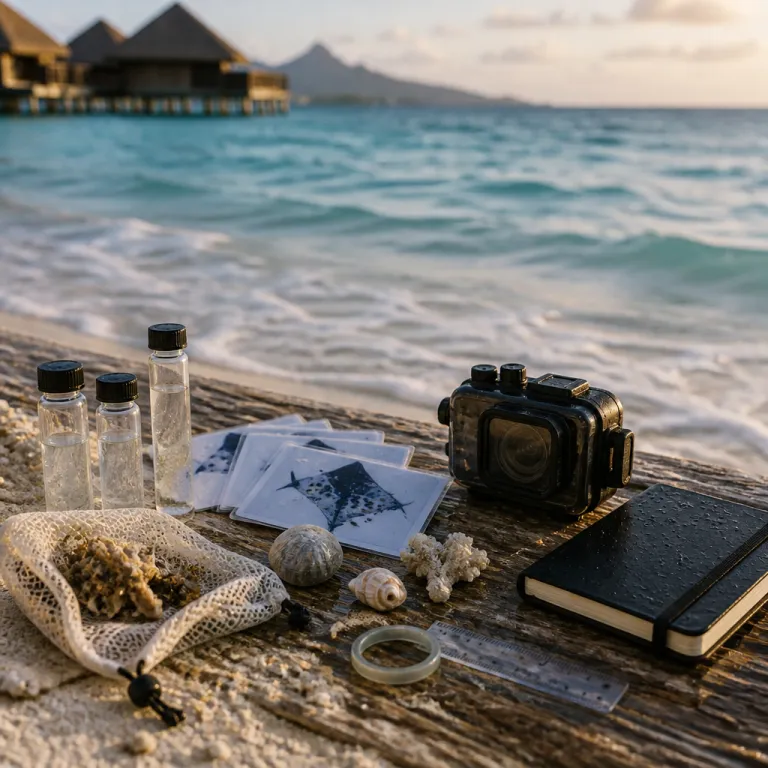
Manta ray identification in Bora Bora for luxury family stays
Why manta ray identification in Bora Bora belongs in your luxury stay
On Bora Bora, manta ray identification and citizen science has quietly become one of the island’s most meaningful luxury experiences. High-end resorts now treat a morning with the French Polynesia Manta Project (a local partner of the global Manta Trust network) as seriously as a sunset cruise, because this initiative turns your family’s lagoon time into real conservation data that shapes how the islands manage their reefs. For premium travelers choosing between overwater villas, the question is no longer only which reef looks prettiest, but which area gives your children a front-row seat to manta rays and coral gardens that they are actively helping to protect.
The French Polynesia Manta Project, based around the Anau Lagoon on the eastern side of Bora Bora, focuses on the reef manta ray species known as Mobula alfredi, a gentle giant that can reach 4 m across yet glides through the ocean with astonishing grace. Each manta ray carries a unique pattern of spots on its white belly, and these markings allow researchers to build a long-term photo-identification catalogue of individuals that live in this region of the Society Islands. As of the early 2020s, project updates describe several hundred identified reef manta rays across French Polynesia, with new individuals added each season as visitor images come in. For families staying at properties located in the lagoon corridor between Anau and the outer barrier reef, this means that every guided snorkel with manta rays can feed directly into a growing database of individuals recorded across French Polynesia.
Luxury resorts and dive centers now brief guests on how to photograph manta rays without causing stress, because clear images of the ventral surface help scientists understand population characteristics such as age structure, sex ratio and site fidelity. When your guide quietly positions the outrigger near one of the natural cleaning stations—specific patches of reef where small fish remove parasites from the mantas’ skin—you are not just watching a show; you are witnessing a key behavior that defines this ray species’ relationship with coral reefs. The same manta project that logs these cleaning interactions also collaborates with lagoon managers across the wider region, from Bora Bora to other island groups in French Polynesia, ensuring that citizen science in Bora Bora feeds into broader conservation planning.
How the manta ray identification project works for visiting families
The manta ray identification program in Bora Bora is built around a simple idea: every visitor with a camera can help track manta rays over time. When you join a guided snorkel from a five-star resort or a specialist operator, the team explains how to capture the underside of each manta ray as it glides past, focusing on the belly markings rather than the wingtips or the surrounding lagoon scenery. These images become data points that help scientists follow individuals across the Society Islands, revealing how often they visit each cleaning area and whether they move between Bora Bora and other islands.
Back on shore, your guide or the resort’s marine biologist uploads the best photos to an online photo-identification platform linked to Manta Matcher software, a global database used by Manta Trust and partner projects, where algorithms compare the spot patterns against thousands of existing records. This is where the manta project becomes genuinely global, because the same manta rays may appear in submissions from different parts of French Polynesia, or even from more remote archipelagos if a particularly adventurous reef manta travels far across the open ocean. Children love the moment when the system confirms a match, and the family receives a message that their manta ray has been added to the catalogue of individuals, complete with a code name and sighting history.
For travelers who prefer to stay dry, some resorts host evening talks where French Polynesia Manta Project researchers answer questions such as “How can I participate in the project?” and “Are manta rays dangerous to humans?” (they are harmless filter feeders). These sessions explain why manta rays gather at specific cleaning stations, how citizen science images reveal changes in population characteristics, and why eagle rays or other ray species sometimes appear alongside mantas at the same coral reefs. If your children are curious about sharks as well as rays, pair one of these talks with a carefully vetted excursion; a detailed guide on what actually happens during shark feeding in Bora Bora can help you decide whether that activity fits your family’s comfort level.
Where to stay in Bora Bora for manta focused lagoon access
For families planning a premium stay, the manta ray identification and citizen science experience starts with choosing the right location around the lagoon. Properties on the eastern side of Bora Bora, close to Anau Lagoon, sit near some of the most reliable manta cleaning stations in the Society Islands, which means shorter boat rides and more time in the water with reef manta individuals. When a resort is located in a lagoon corridor that funnels plankton-rich water across the reef, your chances of seeing manta rays and other ray species such as eagle rays increase significantly.
Several luxury resorts collaborate directly with the French Polynesia Manta Project and local dive centers, integrating manta-focused excursions into their concierge menus and kids’ club programs. At these properties, the marine biologist is not a marketing accessory but a daily presence who joins breakfast to discuss overnight data, explains how many rays were resighted that week, and helps your children prepare their cameras for the next citizen science outing. Some hotels also support coral restoration initiatives, aligning with broader reef rehabilitation projects so that manta rays, reef fish and coral colonies all benefit from the same conservation-minded guests.
On the outer motu, high-end retreats with views across the open ocean often run private charters that combine manta ray encounters with snorkeling over shallow coral reefs, giving families a full picture of how this region’s marine life connects. One notable example is the Biorock-style installation near InterContinental Bora Bora Resort & Thalasso Spa, where artificial structures encourage coral growth just a short ride from known manta cleaning sites. Pair a morning snorkel here with an evening at a landmark restaurant such as Villa Mahana, whose refined French Polynesian tasting menus are profiled in this fine dining journey guide, and you have a day that balances lagoon adventure with serious culinary pleasure.
What scientists learn from your manta photos in French Polynesia
Every clear image you contribute to the manta ray identification program in Bora Bora becomes a data point in a long-running study of manta rays across French Polynesia. Researchers from the French Polynesia Manta Project and their partners at Manta Trust use these records to map how many manta individuals use Bora Bora’s lagoon, how often they visit specific cleaning stations, and whether they commute between Bora Bora and other islands in the Society Islands chain. Over time, this photo-identification approach has revealed several hundred individuals across the wider region, according to project summaries, turning casual holiday snapshots into a serious dataset on population characteristics.
By tracking each manta ray as an individual, scientists can estimate survival rates, detect shifts in population structure and identify critical habitats that need stronger protection. When a reef manta that was first photographed near Anau later appears at a cleaning area off another part of Bora Bora, or even near a distant archipelago, the project gains insight into how these ray species use the open-ocean corridors that link different coral reefs. Such movements inform marine spatial planning, helping authorities in French Polynesia decide where to focus conservation measures so that manta rays, eagle rays and other local ray populations can thrive.
The dataset also captures seasonal patterns, such as when plankton blooms draw manta rays into shallower parts of the lagoon, which is invaluable for both scientists and luxury operators planning guest experiences. As one researcher explains during public briefings, “What is a manta ray cleaning station? A site where mantas get cleaned by smaller fish.” That simple definition hides a complex ecological story, because these cleaning stations act as social hubs where manta individuals interact, mate and sometimes show signs of stress that may reflect broader changes in the surrounding marine environment.
Designing a family friendly manta and reef conservation itinerary
Building a trip around the manta ray identification and citizen science program in Bora Bora does not mean sacrificing comfort; it means choosing experiences that align your family’s curiosity with the lagoon’s long-term health. Start with a resort that offers direct access to healthy coral reefs, a resident marine biologist and regular outings to manta cleaning stations, then layer in gentle activities such as guided snorkeling over coral gardens where children can see how coral colonies build the reef structure that manta rays depend on. Ask the concierge to coordinate with operators who share data with the French Polynesia Manta Project, so every manta ray encounter your family enjoys also strengthens the scientific picture of this region.
On a typical day, you might join an early boat to the Anau area, where the calm water suits younger swimmers and the guides know how to position families respectfully around the manta rays. After photographing several manta individuals for photo-identification, you return to the resort for a relaxed lunch before an afternoon workshop where children learn to match ray species by their belly patterns and understand why some individuals recorded in Bora Bora also appear in other parts of French Polynesia. Evening brings time to review your images with the team, upload them to the manta project database and talk through what those new records might reveal about the local population.
Families with older children can extend the experience with a day trip that combines manta-focused snorkeling with visits to coral restoration sites, where they see how damaged areas are being replanted to support future generations of manta rays and eagle rays. Some programs even invite guests to help clean algae from coral frames, a hands-on activity that pairs naturally with learning about cleaning-station behavior in manta rays and other ray species. By the time you leave Bora Bora, your children will not only remember the size of the mantas’ wingspan, but also the role their own images played in understanding how this regional population moves through the Society Islands and beyond.
FAQ about manta ray identification and citizen science in Bora Bora
How can I participate in the manta ray identification project during my stay?
Guests can participate in the manta ray identification and citizen science program in Bora Bora by joining guided snorkel or dive excursions that focus on manta encounters and photo documentation. During these outings, your guide will show you how to photograph the underside of each manta ray without disturbing its natural behavior, then help you submit the images to the French Polynesia Manta Project or directly to Manta Trust via their photo-identification channels. Even a single clear photo of a reef manta can add a new individual to the catalogue or confirm that a known manta has returned to Bora Bora’s lagoon.
Are manta rays dangerous to humans when snorkeling with children?
Manta rays are considered safe for family snorkeling because they are large but gentle filter feeders that consume plankton, not fish or people. The project’s public information clearly states, “Are manta rays dangerous to humans? No, they are harmless filter feeders.” Parents should still choose reputable operators who brief children on respectful distances, avoid touching the animals and keep everyone calm around cleaning stations where multiple ray species may be present.
What is a manta ray cleaning station and why is it important?
A manta ray cleaning station is a specific patch of reef where small fish remove parasites and dead skin from the mantas’ bodies while the animals hover almost motionless above the coral. These sites are crucial for manta health and also act as social hubs where individuals interact, mate and sometimes display courtship behavior that helps scientists understand population characteristics. Because cleaning stations attract manta rays, eagle rays and other species found in French Polynesia, they are prime locations for photo-identification and citizen science observations.
When is the best time of year to see manta rays in Bora Bora?
The most reliable period for manta encounters in Bora Bora generally runs through the cooler, drier months when plankton concentrations in the lagoon are higher and visibility is good. During this season, reef manta individuals are more likely to visit shallow cleaning sites near Anau and other parts of the Society Islands lagoon, which suits family-friendly snorkeling. Luxury resorts and the French Polynesia Manta Project can advise on current conditions, since local weather and plankton blooms influence how many individuals appear in a given week.
Can my photos really help manta conservation beyond Bora Bora?
Yes, your images contribute to a regional database that tracks manta rays across French Polynesia and sometimes even links individuals between Bora Bora and distant archipelagos. When your manta ray photo-identification matches an existing record, scientists gain another data point on that individual’s movements, site fidelity and use of different coral reefs, which informs conservation planning at the scale of the wider region. Over time, thousands of visitor-generated photos have helped researchers understand how this ray species uses the Society Islands and the surrounding ocean, guiding decisions that protect both manta populations and the luxury experiences built around them.