Night diving in the Bora Bora lagoon: what to expect after dark
Why the Bora Bora lagoon feels different at night
Night diving in the Bora Bora lagoon is not just another dive. When the last light slips behind Mount Otemanu, the crystal clear water turns inky and the reef community shifts, revealing a quieter, more intimate side of French Polynesia. For luxury travelers choosing a resort, understanding this transformation helps you decide whether a night descent belongs on your itinerary or stays on the wish list.
During the day, most divers focus on bright coral gardens, eagle rays gliding over the outer reef, and the classic lagoon tour with a boat circling Matira Beach and the passes. After dark, the same dive site becomes a stage for nocturnal marine life, with reef sharks, hunting manta rays, and crustaceans emerging from crevices you barely notice in sunlight. Typical underwater visibility at night ranges from roughly 15–25 meters in the lagoon according to regional dive operator reports, and with an average water temperature around 26 °C based on French Polynesia marine climate data, a thin wetsuit is usually enough even when you spend more time hovering in place and watching than swimming long drift dives.
Operators in Bora Bora typically schedule night diving between early evening and late night, keeping profiles conservative around 10–20 meters along the outer reef. This depth range balances safety, vivid views, and the chance to see reef sharks and lemon sharks cruising slowly through your torch beam. For solo explorers staying in high end resorts, the lagoon’s protection from open ocean swell makes conditions calmer than many exposed passes in the wider Society Islands, which is reassuring if this is your first time descending into darkness.
What you see after dark that you miss by day
Once your guide signals lights out and everyone covers their torches, the Bora Bora lagoon reveals its most delicate magic. Bioluminescent plankton ignite around your hands and fins, tracing pale blue sparks through the water each time you move. It feels less like scuba diving and more like floating through a star field, a quiet counterpoint to the bright, busy dives you make during the day.
Turn the beams back on and the reef itself looks different, with coral polyps fully extended and feeding in the gentle night current. Tiny crustaceans, hunting octopus, and shy moray eels emerge, while reef sharks and the occasional lemon shark patrol the edge of your light, curious but unhurried. On some dives, eagle rays and even manta rays sweep in from deeper water, using your lights as a reference point while they circle the reef in search of plankton.
Because the lagoon is sheltered from most swell, the water temperature stays stable and the visibility often remains crystal clear even at night, especially away from the passes. That clarity lets you appreciate subtle behaviors, like cleaner shrimp working over sleeping parrotfish or a humpback whale song pulsing faintly through the reef if you are visiting in migration season from roughly July to October, as indicated by regional whale watching guidelines. If you are planning a broader adventure itinerary that includes kitesurfing the Bora Bora lagoon, pairing a windy day session with a calm night dive gives you two completely different perspectives on the same water.
Manta night dives, sharks and the choreography of light
The signature night diving Bora Bora lagoon experience for many divers is the manta focused dive, where guides use carefully positioned lights to attract plankton. Powerful beams are set on the sand or attached to weighted lines, creating a glowing column in the water that concentrates food for manta rays and, occasionally, eagle rays. You kneel or hover just above the reef, watching as the first silhouettes appear from the dark and begin looping through the light like slow motion acrobats.
Plankton feeding manta rays are drawn to this artificial bloom, sweeping within a few meters of divers as they barrel roll through the brightest section of the beam. Around the edges, reef sharks and sometimes lemon sharks cruise in and out, more interested in the small fish attracted to the same plankton than in the divers. The choreography feels controlled rather than chaotic, because the lagoon’s gentle current and limited depth keep the overall dive time within a comfortable range for intermediate scuba diving experience.
Safety briefings before a manta night dive are detailed, especially regarding positioning, buoyancy, and how to react if a manta or reef shark passes very close. Many operators now emphasize eco friendly practices, avoiding touching the animals, limiting group size, and keeping the boat’s lights low so marine life is not overwhelmed. If you are curious about how sharks behave in the lagoon more broadly, reading an honest guide to what actually happens during shark encounters in Bora Bora will help you understand why controlled night dives feel very different from feeding focused tours.
First time night divers: anxiety, navigation and choosing operators
Dropping below the surface at night for the first time can feel intense, even for confident divers. The key difference is psychological rather than technical, because your equipment, weighting, and basic scuba diving skills remain exactly the same. What changes is your field of view, which narrows to the beam of your torch and the soft glow of your buddy’s light, making trust in your guide and your resort chosen operator essential.
Reputable centers in Bora Bora, such as Bora Diving Center and HiRO DiVE BORA BORA, are long established local outfits based near the main island, as confirmed by their published profiles and booking information. They keep groups small and pair solo travelers with experienced guides, offering day and night dives on the outer reef and lagoon sites. Briefings cover hand signals, light communication, and how to manage buoyancy when you cannot rely on surface views or sun position for orientation. Many operations recommend Advanced Open Water certification for night dives, and some insist that divers complete at least one day dive with them before joining a night dive so the équipe can assess comfort and skills.
For travelers without the required certification, several operators offer guided night snorkeling from the boat inside the lagoon, staying in shallow water where you can surface at any time. This can be a smart first step if you feel anxious about full night diving Bora Bora lagoon conditions, yet still want to see bioluminescence and nocturnal marine life. As one local safety briefing puts it clearly for hesitant guests: "Is night diving in Bora Bora safe? Yes, with certified guides and proper equipment."
Planning your luxury stay around night dives and lagoon time
For luxury travelers, the question is not only whether to book a night dive, but how to weave it into a broader Bora itinerary that balances rest, adventure, and fine dining. Many high end resorts coordinate directly with local dive centers, arranging private boat transfers from overwater villas so you can step from your deck to the dive boat in minutes. If you prefer a more independent approach, staying near Matira Beach gives you easy access to multiple operators and a shorter boat ride to the outer reef dive site.
When you plan your trip, consider spacing your dives across several day and night sessions rather than packing all scuba diving into one intense block. A typical pattern might be two day dives on the reef or at a pass, a rest day with a relaxed lagoon tour, then a night dive focused on manta rays or reef sharks. On non diving evenings, you might reserve a table at a destination restaurant that belongs on every serious Bora Bora luxury itinerary, pairing underwater adventure with one of the island’s most refined dining rooms.
Because the lagoon is sheltered, conditions for night diving Bora Bora lagoon experiences are usually calmer than open ocean sites around Tahiti Bora and other islands in French Polynesia. Still, it is wise to book in advance, check weather forecasts, and confirm your planned bottom time, maximum depth, and certification requirements with the operator before you finalize resort dates. If humpback whales are in season, you can even time your stay so that a day trip focuses on listening for humpback whale song during a relaxed dive, while the same evening is reserved for the quiet glow of bioluminescent plankton.
FAQ
Is night diving in Bora Bora safe for certified divers ?
Night diving in Bora Bora is considered safe when you join reputable operators that use proper safety equipment, maintain small groups, and provide experienced guides. The lagoon’s protected geography means calmer water than many open ocean sites, which helps reduce stress for first time night divers. Operators typically require at least PADI Open Water certification, and many recommend Advanced Open Water for deeper or more complex dives.
What marine life can I expect to see during a night dive ?
Typical night dives in the Bora lagoon reveal nocturnal fish, crustaceans, and sleeping reef inhabitants that stay hidden during the day. Divers often encounter reef sharks, occasional lemon sharks, and, on specialized manta dives, plankton feeding manta rays circling in the dive lights. Bioluminescent plankton are another highlight, creating visible light trails in the water whenever you move your hands or fins.
Do I need special certification for night diving in Bora Bora ?
Most operators require at least PADI Open Water certification and documented recent dives before accepting guests on night dives. Advanced Open Water or a dedicated night diving specialty is recommended, especially for deeper sites or drift dives near the passes. If you are not certified or feel unsure, some centers offer guided night snorkeling alternatives in shallow water, which provide a taste of the experience without full scuba commitments.
How does night diving in the lagoon compare to open ocean dives ?
Night diving in the Bora Bora lagoon usually involves shallower depths, weaker currents, and more predictable conditions than open ocean dives. The reef structure and passes break much of the swell, so boat entries and exits feel more controlled, which is ideal for travelers new to night diving. Visibility often remains high, allowing you to enjoy marine life encounters without the disorientation that can come with darker, rougher offshore sites.
When is the best time during a trip to schedule a night dive ?
Many divers prefer to schedule a night dive after completing at least one or two day dives with the same operator, so they are familiar with procedures and equipment. Planning the night dive mid trip, rather than on your arrival or departure day, gives you time to rest, adjust to the time zone, and reschedule if weather changes. Pairing a relaxed day on the lagoon with an evening dive also helps you arrive calm and focused, which enhances both safety and enjoyment.
Night dive checklist: gear, group size and paperwork
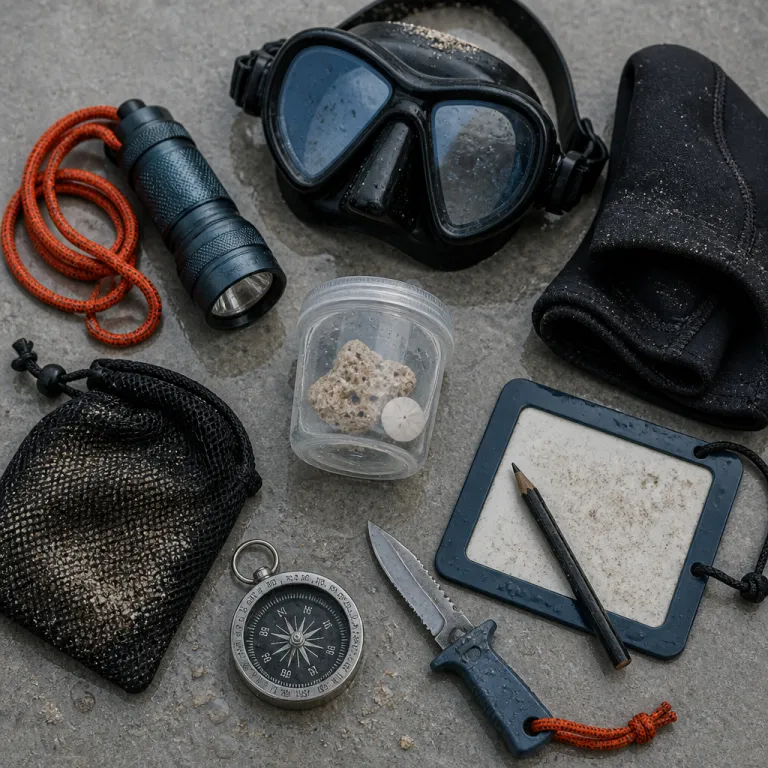
Before you book, confirm that your operator provides a primary dive light and backup torch, or plan to bring your own along with a thin 3 mm wetsuit, mask, fins, and reef safe sunscreen for daytime outings. Ask about maximum group size per guide (many Bora Bora centers aim for four to six divers), minimum certification level, and how recently you should have logged a dive. Having your certification card, logbook, and medical questionnaire ready speeds up check in and lets you focus on the experience rather than the paperwork.