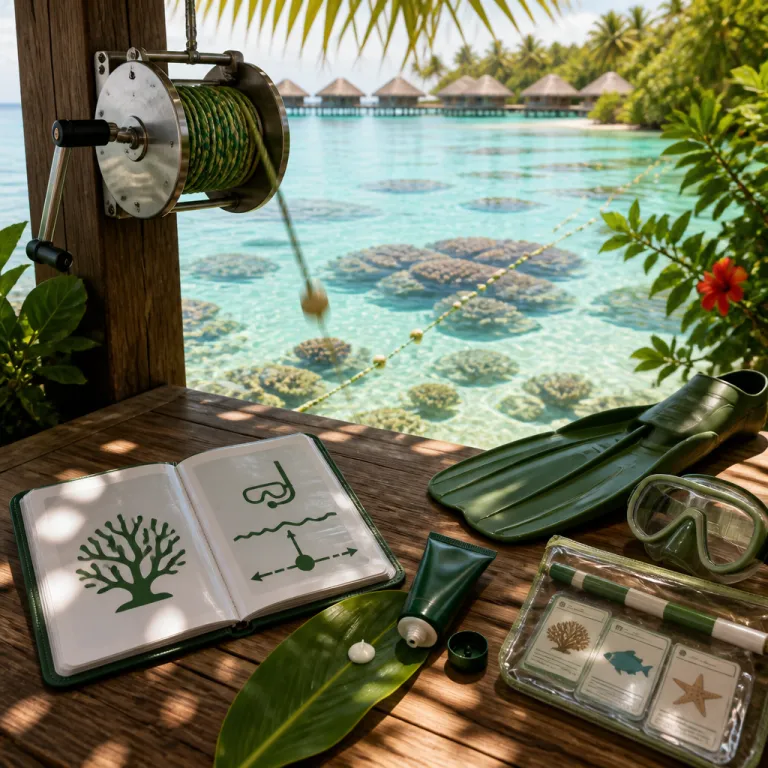
From luxury lagoon views to responsible snorkeling briefings
On Bora Bora, the most memorable luxury is often the first glide from your villa steps into the lagoon water. For families booking premium overwater suites or beach villas, eco-conscious snorkeling with clear reef protection briefings now sits alongside butler service and helicopter transfers as a defining part of the stay. As high-end resorts across the islands refine their marine programs, the focus shifts from passive views of the coral reef to active, touch-free experiences that help keep coral ecosystems alive for your children’s next visit.
Resorts that take reef-friendly snorkeling seriously start before anyone even reaches the lagoon. At check-in, concierges at properties such as Four Seasons Resort Bora Bora and InterContinental Bora Bora Resort & Thalasso Spa now ask about your snorkeling experience, your children’s swimming level, and whether you prefer a private outing or small-group snorkeling tours, then match you with the right guide and the right time of day. This pre-planning matters, because calm morning water, shorter half-day excursions and smaller groups dramatically reduce accidental contact with coral gardens and reef sharks resting on sandy patches.
For premium family travelers, the real luxury is a curated flow to the day that balances adventure and rest. A typical lagoon tour might start with a gentle snorkeling session in the inner Bora Bora lagoon, continue with a shallow coral gardens stop, then finish with a sandbank picnic before nap time back at the villa. When your concierge understands that responsible snorkeling and reef protection are part of why you chose French Polynesia, they will steer you toward operators whose tours emphasize education over speed and whose guides treat every coral reef as a living guest, not a backdrop. As one Bora Bora marine guide explained during a recent briefing, “If we care for the lagoon as we do for our own homes, it will welcome your family back for generations.”
What the best operators teach before you enter the water
The most telling moment on any snorkeling tour in Bora Bora is the briefing that happens while the boat is still tied to the mooring. On well-run lagoon excursions with operators such as Reef Discovery, O-Sea Bora Bora and Tohora Bora Bora, this briefing is not a rushed safety script but a focused introduction to marine etiquette that anchors responsible snorkeling and coral conservation. Guides explain currents, entry techniques, and how to move above coral without ever touching it, turning a simple half-day excursion into a structured marine biology lesson for the whole family.
Expect clear, practical rules delivered in calm, confident tones. You will hear answers to questions such as “Why is it important not to touch the reef? Touching can damage delicate coral structures,” and learn how even a light fin kick can snap decades of coral growth on shallow reefs. Parents are shown how to position children between an adult and the guide, how to use flotation belts to keep little legs away from coral heads, and why staying horizontal in the water column protects both the reef and your own snorkeling experience.
On higher-end lagoon tour options, briefings also cover wildlife protocols. Guides outline how close you may approach a manta ray or reef sharks, why feeding sharks or rays changes their natural behavior, and how to read body language when marine life needs more space. Some operators pair these day snorkeling briefings with aerial context, suggesting a short helicopter flight over the lagoon so guests can see how outer reefs, inner coral gardens and the deep passes all connect as one living system. According to NOAA’s 2011 “Reefs at Risk Revisited” assessment, roughly three-quarters of the world’s coral reefs face local or global threats, a backdrop that makes these educational moments in Bora Bora more than just a formality.
Touch free techniques: how guides train your body, not just your mind
Once you slide into the Bora Bora lagoon, theory becomes muscle memory. Guides who specialise in low-impact, responsible snorkeling stay in the water with you, constantly adjusting positions, demonstrating slow frog kicks and teaching you to use your core rather than your knees to move above the reef. This is where luxury service meets technical coaching, and where a good guide can turn nervous first-timers into confident, careful snorkelers within a single day.
Fin awareness is the first lesson. You will be asked to keep your fins just below the surface, not angled down toward coral, and to avoid vertical kicking that sends heels into branching reef structures. For families, many premium resorts now offer short pool sessions before any snorkeling tours, letting children practice buoyancy control and mask clearing in calm water so that, once they reach the coral gardens, their attention can stay on marine life rather than on equipment.
Touch free also means tech free in the right moments. Guides will often ask guests to stop filming for a minute when a manta ray glides past, so everyone can focus on slow breathing and stillness rather than chasing the perfect shot. Night activities such as carefully guided outings inspired by specialist night diving experiences are reserved for advanced swimmers, but the same principles apply during any snorkeling tour: stay horizontal, keep hands tucked close, and let reef sharks, rays and other marine life choose the distance.
Reef safe sunscreen, coral conservation and hands on hotel programs
On a luxury holiday in French Polynesia, sunscreen is as essential as your room key, yet the wrong formula can quietly undo every effort toward reef protection. Many premium resorts now remove chemical sunscreens from their boutiques, replacing them with mineral, reef-safe options and asking guests to apply them at least twenty minutes before entering the water. This timing allows the product to bind to the skin rather than wash straight into the lagoon where it can stress coral and other marine organisms.
During briefings, guides answer another common question with equal clarity: “What is reef-safe sunscreen? Sunscreen without harmful chemicals to marine life.” Families are encouraged to pair long-sleeve rash guards and wide-brimmed hats with these formulas, reducing the total amount of product entering the water during a full day on the boat. Some operators even keep a small supply of approved sunscreen on board for guests who arrive unprepared, a small gesture that signals serious commitment to coral conservation and to the long-term health of local reefs.
Beyond products, several high-end properties now weave coral conservation directly into their guest experiences. Four Seasons offers coral grafting sessions where guests help transplant healthy coral fragments onto nursery structures, while InterContinental’s Biorock installations use low-voltage current to accelerate coral growth on artificial reefs near the resort. These programs turn passive snorkeling tours into layered experiences: you might spend the morning on a private tour over coral gardens, then join a marine biologist in the afternoon to see how those same coral reefs are being restored for future generations.
Family friendly reef education: turning children into lagoon guardians
Premium family travelers increasingly ask not just for kids’ clubs, but for meaningful lagoon experiences their children will remember long after the flight home. On Bora Bora, reef-friendly snorkeling has become a narrative that resorts and tour operators tailor specifically for younger guests, using games, storytelling and hands-on activities to make coral conservation feel exciting rather than restrictive. The aim is simple: if children fall in love with the reef, they will naturally protect it.
Many properties now run junior marine biologist programs where children learn to identify fish, rays, sharks and invertebrates before they ever put on a mask. Educators explain “What can tourists do to help protect the reef? Follow guidelines, avoid touching, and use eco-friendly products,” then turn those guidelines into treasure hunts during a half-day lagoon tour, awarding points for spotting a manta ray, counting reef sharks from the boat, or correctly naming different coral shapes without ever reaching out to touch them. Parents often join, turning the outing into a shared family experience rather than a drop-off activity.
Food can also be part of the lesson. Some luxury hotels partner with local chefs and restaurants, and a dinner at places highlighted in fine-dining guides becomes a chance to talk about sustainable seafood and the link between healthy coral reefs and local cuisine. When children see how the lagoon supports both marine life and the island’s culture, they tend to treat every snorkeling tour, every swim above coral gardens and every encounter with manta rays as a privilege rather than an entitlement.
Choosing the right operator from your hotel: what to ask before you book
From a distance, many lagoon excursions look similar: a boat, a guide, a promise of rays and sharks. For travelers who care about responsible snorkeling and reef protection, the difference lies in the questions your concierge can answer before you ever sign the charge slip. A luxury hotel that takes marine protection seriously will have a short, curated list of partners such as Reef Discovery, O-Sea Bora Bora and Tohora Bora Bora, all of whom cap group sizes, avoid feeding wildlife and build extra time into each tour so guests never feel rushed into risky behavior.
When you speak with the concierge or directly with the operator, ask specific, practical questions. How many guests are on a typical snorkeling tour during peak season, and can your family book a private or semi-private option if you prefer more space above the coral reef? Do they brief every group on fin techniques, wildlife distance and reef-safe sunscreen, or is the focus mainly on ticking off manta ray and reef shark sightings as quickly as possible during a short day-snorkeling circuit? The answers will tell you whether the company values marine life as much as guest photos.
It is also worth asking how your money supports coral conservation beyond the day’s lagoon tour. Some operators contribute a portion of each ticket to local coral garden projects or to research on coral bleaching across French Polynesia, while others partner with environmental organisations to maintain coral nurseries in less visited parts of the Bora Bora lagoon. For a premium family, choosing these tours means your snorkeling experiences help ensure that the next time you return to these islands, the reefs will still be vibrant, the water will still be clear, and the manta rays will still glide beneath your outrigger in perfect, untouchable silence.
Key figures behind Bora Bora’s reef protection efforts
- Bora Bora welcomes on the order of 200,000 visitors each year, according to figures shared by the local tourism board and regional authorities, which makes structured responsible snorkeling briefings essential to limit cumulative pressure on the lagoon’s coral reefs.
- Global agencies such as NOAA report that approximately 75% of coral reefs worldwide are currently at risk from local and climate-related stressors, a context that makes every coral conservation project in French Polynesia more than a local initiative; it is part of a global safety net.
- On many premium snorkeling tours, operators now cap groups at around 8 to 10 guests per guide, a reduction from older models that carried 20 or more, significantly lowering the chance of accidental contact with coral gardens during each stop.
- Resorts that offer coral grafting or Biorock programs typically schedule sessions of 60 to 90 minutes, short enough to keep families engaged yet long enough for guests to meaningfully assist with transplanting coral fragments onto restoration structures.
- With daily tours running year-round and seasonal peaks in manta ray and reef shark sightings, even small changes such as universal reef-safe sunscreen use can prevent many kilograms of harmful chemicals from entering the water over a single high season.
FAQ about responsible snorkeling and reef protection in Bora Bora
Why is it important not to touch coral while snorkeling in Bora Bora?
Coral is a living animal covered by a thin layer of tissue that can be damaged by even a light touch, and repeated contact from fins or hands can kill sections of coral reefs that took decades to grow. Avoiding contact also prevents cuts and stings that can quickly spoil a family’s day on the water. Staying horizontal, using slow kicks and keeping a safe distance are the simplest ways to protect both the reef and yourself.
What makes a snorkeling operator in Bora Bora truly eco responsible?
An operator committed to reef protection will limit group sizes, provide detailed pre-water briefings and refuse to feed sharks or rays to attract them unnaturally. They will supply or recommend reef-safe sunscreen, work with local marine biologists and often support coral conservation projects financially or with staff time. Names such as Reef Discovery, O-Sea Bora Bora and Tohora Bora Bora are frequently cited by luxury hotels as examples of this higher standard.
Is mineral sunscreen really necessary for snorkeling in French Polynesia?
Mineral sunscreens that use non-nano zinc oxide or titanium dioxide are currently considered less harmful to marine life than many chemical formulas that contain oxybenzone or octinoxate. In a lagoon as enclosed as Bora Bora’s, these chemicals can accumulate and stress coral, fish and invertebrates over time. Combining mineral sunscreen with UV-protective clothing reduces both environmental impact and the amount of product you need to apply.
Can children safely join snorkeling tours focused on reef protection?
Yes, many tours in Bora Bora are designed specifically for families, with shallow sites, flotation aids and guides trained to work with younger swimmers. These outings often include games and simple identification exercises that turn coral gardens and marine life into an open-air classroom. Choosing a half-day tour with calm morning conditions is usually the best option for children’s first experiences.
How can my hotel choice influence reef health during my stay?
Luxury and premium hotels that prioritise marine conservation carefully select their partner operators, enforce reef-safe product policies and invest directly in coral restoration projects near their properties. By booking with these resorts and choosing their recommended snorkeling tours, your spending supports a network of guides, scientists and conservationists working year-round to protect the lagoon. Asking specific questions about coral conservation at the time of booking signals that these efforts matter to guests, encouraging more properties to follow suit.