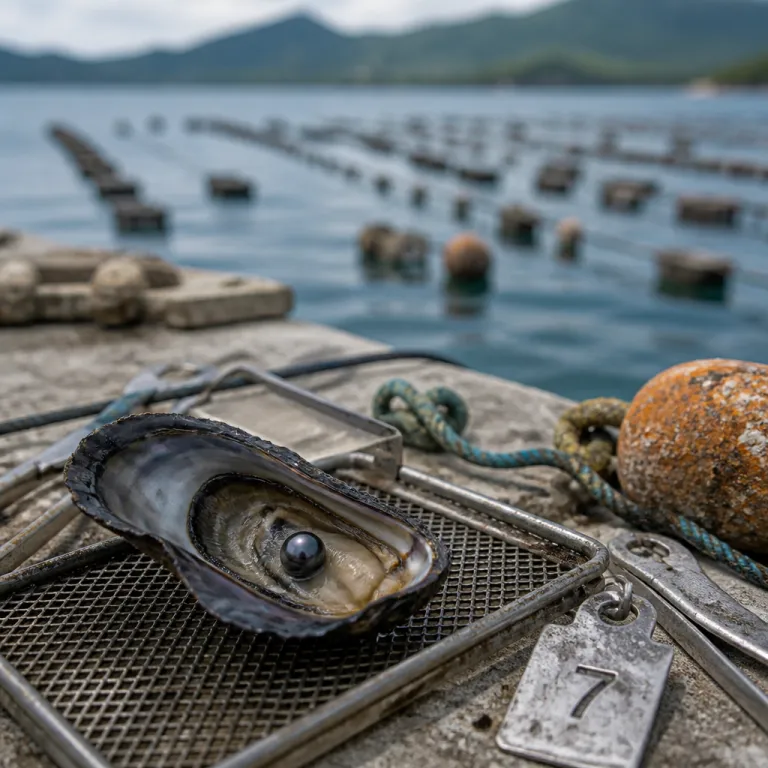
Why a bora bora black pearl farm belongs on a luxury itinerary
On a high end escape to Bora, most couples focus on the overwater suite and forget the lagoon’s working heart. Yet a visit to a bora bora black pearl farm will quietly become the most memorable cultural moment of your stay, sitting alongside manta rays at sunrise and a private cruise at dusk. For travelers booking premium rooms on a motu, understanding how black pearls are grown turns a simple souvenir into a story you will tell for years.
The Tahitian pearl is born inside the Pinctada margaritifera oyster, a species that thrives only in the clear lagoon waters of French Polynesia. At a serious pearl farm in Bora, you see how technicians graft a tiny nucleus and mantle tissue into the oysters, then return them to the natural environment on long underwater lines for several years while the nacre slowly builds. This patient pearl farming process is what transforms a small bead into a luminous gem that feels far more connected to Polynesia than anything in a resort display case.
Luxury hotels often arrange a short boat tour that pairs a farm dive with a snorkel stop on a coral garden, which suits couples who want comfort and curated timing. Independent travelers can also charter a private boat with a local guide, combining a visit to a bora pearl producer with a lazy lagoon cruise and lunch on a quiet motu. Either way, planning time at a working farm Bora site adds depth to a trip that might otherwise be only about the room category and the infinity pool.
From oysters to black pearls: how the lagoon quietly works
What you see first at a bora bora black pearl farm is not glamour but order ; rows of floats mark where thousands of oysters hang in the lagoon. Each oyster on these lines has been carefully selected, grafted and cleaned by an équipe that understands how currents, plankton and even seasonal whale passages shape the farm’s rhythm. When your guide explains that the team will check and rotate the lines by boat every few weeks, you start to read the lagoon as a living workshop rather than a postcard.
The process begins when young oysters natural to the area are collected or bred, then nurtured in baskets until they are strong enough for grafting. Inside a small farm hut, a specialist performs the delicate operation, inserting a nucleus and a sliver of mantle tissue that will trigger nacre production and, eventually, black pearls with peacock, green or silver overtones. After grafting, the oysters return to the farm dive lines, where they spend years in the natural environment of French Polynesia, slowly layering nacre in conditions that no aquarium could replicate.
During a visit, you may watch the team open a few oysters to show both successes and failures, which is where the reality of pearl farming becomes clear. Not every oyster will yield a gem quality pearl ; many produce irregular shapes or dull surfaces that never reach resort showcases in Bora French shops. This honest look behind the scenes helps you understand why a single luminous pearl in a velvet pouch can feel like the distilled essence of the lagoon, rather than just another island trinket.
For couples timing their stay around marine life, it is worth pairing a farm visit with a dedicated outing during the humpback season, when offshore waters host migrating whales. You can read more about planning such a lagoon focused escape in this guide to watching Bora Bora’s humpbacks before they head south, then weave a pearl farm stop into the same week. The contrast between the quiet precision of the farm and the raw power of the whales underlines how varied French Polynesia’s marine experiences can be.
Why “black” rarely means black: colour, lustre and shape explained
When you first handle pearls at a bora bora black pearl farm, the surprise is colour ; most so called black pearls are actually deep green, aubergine, silver or peacock with shimmering overtones. This spectrum comes from the Pinctada margaritifera oyster’s genetics and the lagoon’s micro conditions, which means no two farm Bora harvests look exactly alike. In practice, the most sought after pearls balance a dark body tone with vibrant overtones that seem to glow from within.
Quality starts with lustre, the sharpness and depth of reflections on the pearl’s surface, which you can judge by how clearly you see your face in it. A high lustre black pearl reflects light crisply, even in the softer illumination of a resort showroom or a shaded farm hut, while low lustre stones look chalky or blurred. Surface comes next ; minor pinpricks are normal in pearls from any farm, but heavy spotting or deep pits should lower the price, even when the colour feels seductive.
Shape is where personal taste meets budget, because perfectly round pearls are rare and command a premium over baroque or drop shapes. During a guided farm dive demonstration, you may see trays sorted by size and shape, with the team explaining why a near round strand costs more than a playful mix of baroque pieces. If you are weighing whether to invest in a single statement pearl or a full strand, it helps to read this analysis of which Bora Bora bungalow category is actually worth the upgrade, then apply the same value thinking to your jewellery choices.
Size also matters, but only after lustre and surface, because a smaller, flawless pearl from a serious bora pearl farm can outshine a larger but dull stone. Guides in French Polynesia will often line up several pearls of different diameters so you can see how a one millimetre change alters both look and price. Treat this as a quiet masterclass rather than a sales pitch, and you will leave with the vocabulary to navigate both farm counters and polished displays in Vaitape.
Farm visit, resort showroom or Vaitape salon ? where to buy well
Couples staying on a motu often face a choice ; buy from the resort’s curated display, take a bora bora black pearl farm tour, or wait to shop in Vaitape. Each setting has its strengths, and understanding them will help you match the buying experience to your travel style and budget. Think of it the way you compare room categories, weighing privacy, view and access before you commit.
A visit to a working pearl farm usually begins with a short boat cruise across the lagoon, followed by a farm dive demonstration and a relaxed explanation of pearl farming techniques. Afterward, you browse a small showroom where the selection reflects the current harvest, often with a mix of loose pearls and finished pieces presented in a simple velvet pouch. Prices here tend to be more transparent, and the équipe will usually show you both top grade black pearls and more modest options without pressure.
Resort shops, by contrast, lean into convenience and design, offering ready to wear jewellery that suits honeymoon photos and anniversary dinners. You pay for that convenience, of course, and for the polished setting, but you also gain access to pieces that pair pearls with gold, diamonds or motifs inspired by manta rays and other lagoon life. In Vaitape, the main village of Bora French territory, you will find a broader range of brands and styles, from simple farm Bora pendants to elaborate high jewellery sets that rival anything in Tahiti.
Wherever you buy, ask about certificates that state the pearl’s origin, treatment status and grading, and keep them with your travel documents rather than only in the jewellery box. For a wider view of how to structure a refined island escape that balances experiences and purchases, this guide to planning an all inclusive trip to Bora Bora for a refined island escape offers useful context. Approach the pearl purchase as part of that overall strategy, not as an impulse at the end of a lagoon tour.
How to read quality, avoid markups and still feel the romance
Once you understand how a bora bora black pearl farm operates, you are better equipped to judge what you see in any showroom. Start by asking the guide or sales associate to show you pearls side by side so you can compare lustre, surface and colour under the same light. Your eye will quickly learn to separate a truly luminous black pearl from one that relies on clever lighting and a flattering setting.
Look closely at the drill hole and the area around it, because this is where imperfections often hide on pearls from any farm. If the surface near the hole shows heavy chipping or thick coating, be cautious, especially when the piece is presented as a premium product from French Polynesia. A reputable seller in Bora or Tahiti will explain any treatments clearly and will not hesitate to let you examine the pearl outside the showcase.
Price is shaped by many factors, but you can still protect yourself from tourist markups by comparing similar pieces in at least two locations. For example, note the cost of a simple pendant with a medium sized round pearl at a farm Bora showroom, then compare it with a similar design in Vaitape and at your resort. When the difference feels extreme, remember that you are paying for setting, branding and convenience, not for a fundamentally different farm dive origin.
Finally, keep the romance intact by choosing a piece that connects to a specific moment, whether that is the morning you watched manta rays glide under your overwater deck or the afternoon you listened to a farm équipe explain how oysters natural to the lagoon shape each harvest. Ask for a simple velvet pouch and a written note of origin, then record where in Bora French waters your pearl began its life. Years later, that context will matter more than the exact grading code on the certificate, because it anchors the jewellery to your own unique experience of French Polynesia.
Pairing pearl farms with luxury stays and lagoon experiences
Planning a stay that includes a bora bora black pearl farm visit is about sequencing, not squeezing yet another tour into an already full day. Many couples find that a morning farm excursion followed by a lazy afternoon on their motu works beautifully, leaving time for a sunset private cruise or a relaxed dinner. Think of the farm as a cultural anchor between more obviously indulgent experiences like spa treatments and champagne on the deck.
Some high end properties partner with specific farms, arranging a combined lagoon outing that includes a gentle snorkel, a farm dive demonstration and a stop at a sandbar where your guide points out rays and reef sharks. Others will help you charter a private boat with a skipper who knows both the pearl lines and the quieter corners of the lagoon, far from the main tour routes. In both cases, the team will usually tailor timing around tides and light so that the colours of the water and the pearls feel at their best.
If you are splitting time between Bora and Tahiti or other islands in French Polynesia, consider visiting different styles of pearl farm to see how location shapes the work. A sheltered lagoon with calm waters offers one kind of natural environment for oysters, while a more exposed site demands different farm structures and maintenance routines. This comparative approach deepens your understanding of pearl farming and makes each purchase feel like part of a broader journey rather than a single stop.
Back at your hotel, ask the concierge for recommendations on reputable bora pearl retailers in Vaitape if you want to continue browsing beyond the farm. They will often know which maisons maintain consistent quality and which focus more on high volume tourist traffic, saving you time and potential frustration. With that guidance, your final stroll through town becomes a curated extension of the lagoon story you began at the farm, not just another shopping hour between transfers.
FAQ
What makes a Tahitian black pearl different from other pearls ?
A Tahitian black pearl comes from the Pinctada margaritifera oyster, which lives in the lagoons of French Polynesia rather than in rivers or colder seas. Its nacre naturally produces dark body colours with peacock, green, silver or aubergine overtones, so the pearls are rarely pure black. The combination of species, lagoon conditions and multi year cultivation at a bora bora black pearl farm gives these gems their distinctive character.
Is it better to buy pearls at a farm or at my resort ?
Buying at a bora bora black pearl farm usually offers more transparency about origin and grading, along with a direct look at how the oysters are raised. Resort shops add convenience and often feature more elaborate jewellery designs, but prices can be higher for similar quality. Many travelers compare pieces in both settings, then choose the one that balances design, budget and the story they want to take home.
How can I tell if a black pearl is good quality ?
Start by checking lustre ; a high quality black pearl shows sharp, bright reflections rather than a dull or chalky surface. Then examine the surface for minimal blemishes, the shape for your preferred style and the colour for attractive overtones that suit your skin tone. When in doubt, ask the guide or salesperson at the bora bora black pearl farm to line up several pearls so you can compare them under the same light.
Are certificates important when buying pearls in Bora Bora ?
Certificates from reputable sellers in Bora or Tahiti confirm the pearl’s origin, whether it is natural colour, and how it has been graded for size, lustre and surface. They are especially useful if you plan to insure the jewellery or resell it later, because they provide independent documentation beyond your receipt. When you visit a bora bora black pearl farm or a Vaitape salon, ask to see sample certificates and keep them with your travel papers once you buy.
Can I swim or dive near the pearl farms during my stay ?
Many bora bora black pearl farm excursions include a controlled farm dive or snorkel segment where you can see the oyster lines from the surface or with basic gear. For safety and to protect the oysters, you usually swim only in designated areas under the supervision of a guide. If you want more time in the water, combine the farm visit with a separate lagoon tour focused on coral gardens, rays and other marine life.