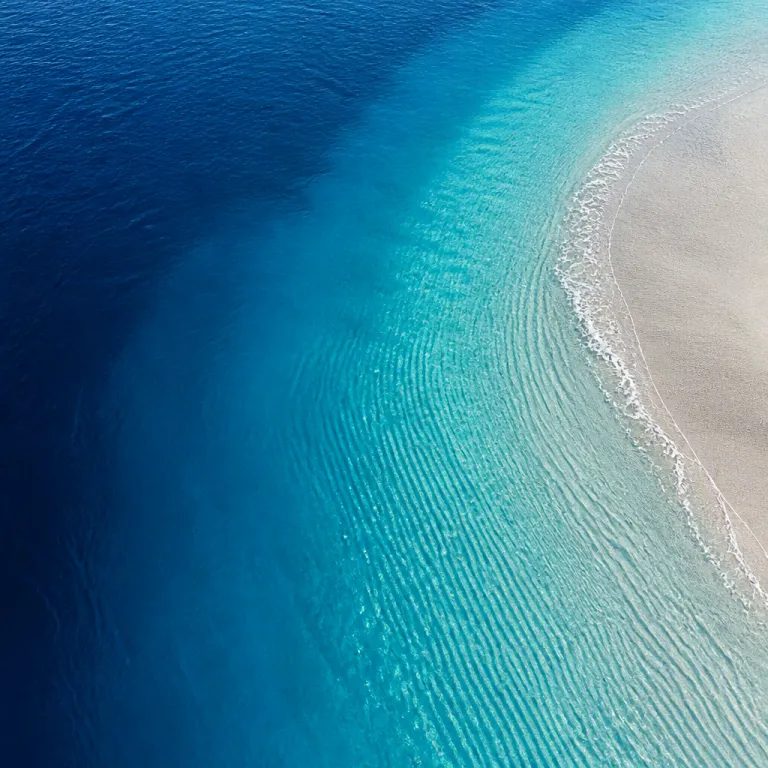
Reading the seasons in Bora Bora’s lagoon light
Ask when to plan your Bora Bora shoulder season trip and you are really asking how you want the lagoon to feel. The classic dry season in this part of French Polynesia runs roughly from May into october, but the most interesting weeks sit on the edges of that arc when the weather shifts and the islands exhale after the peak season crowds. For independent travelers, the best time is often when the island is not trying to be its glossiest self yet still offers calm seas and clear mornings.
On the calendar, that means late april sliding into early dry months, and then late october into early november when the wet season has not fully arrived. During these shoulder season windows, bora weather usually brings warm days around 27–29 °C, with passing showers that rinse the lagoon rather than ruin your time to visit. You still feel the structure of the dry season, but the atmosphere is softer, the light more nuanced, and the prices at luxury resorts start to loosen from high season levels.
Think of season Bora as a spectrum rather than a binary choice between dry and rainy season patterns. The so called low season from november april has its own drama with heavier showers and thicker humidity, while june september defines the classic postcard period with the most stable weather and the highest prices. The shoulder season weeks sit between these extremes, giving you much of the best without demanding that you travel only when everyone else does.
Why the quiet weeks suit solo and independent travelers
For a solo explorer, the question is less “bora bora shoulder season when to go” and more “when will the lagoon feel like mine without compromising comfort”. During these transition months, there are fewer boats cutting across the lagoon, so your morning paddleboard from the main island to a nearby motu feels almost private. Guides in the islands of French Polynesia often have more time to linger over coral gardens, turning a standard snorkel into a slow, attentive lesson in reef life.
On the practical side, luxury properties on Bora and the wider islands Tahiti region quietly adjust their prices once the peak season thins. You still pay premium rates, but the value shifts in your favor as upgrades, late checkouts and flexible time to visit Bora become easier to negotiate. This is when a good travel agent who knows Bora Tahiti well can secure lagoon facing villas that were impossible to touch during the high season rush.
Shoulder season also changes how you move through the island’s social spaces. Beach bars that felt crowded in june september become relaxed living rooms where staff remember your name and your preferred sunset drink, which is ideal if you visit Bora alone and want low key connection rather than honeymoon theatrics. If you are weighing other renowned island destinations with overwater stays, compare these quieter weeks in Bora with similarly timed escapes in the wider Islands Tahiti region using curated guides to exquisite places for overwater luxury and island serenity.
Weather realities, marine life and what actually runs
Understanding Bora weather in the shoulder season means accepting a little drama in the sky in exchange for space on the sand. You can expect mostly sunny mornings, a build up of clouds in the afternoon and then short, sharp showers that sweep across the lagoon and clear quickly. The wet season technically belongs to the november april stretch, but in late october and early november you usually see only the first hints of that pattern.
For marine life, these in between weeks can be quietly spectacular, especially if whale watching is on your list. Humpback whales migrate through French Polynesia roughly from july into early november, so a carefully timed trip in late dry season lets you combine clear lagoon days with offshore encounters, while avoiding the most crowded peak season departures. Not every operator runs every day in the shoulder season, yet the ones that do often feel more intimate, with crews happy to adjust the time of day to chase the best weather window.
On land, some smaller restaurants on the main island may close for a few weeks between the high and low season, but core services at major luxury resorts remain steady. Properties such as refined lagoonfront retreats in Bora Tahiti, including those in the style of Le Méridien Bora Bora in French Polynesia, keep their équipes fully staffed so service does not slip when occupancy dips. Excursions like lagoon safaris, shark and ray encounters and guided hikes on the island’s interior ridges continue to operate, though you may find departures consolidated, which actually suits flexible solo travelers who prefer fewer, better organized outings.
How to choose your weeks and book like an insider
When you decide on your bora bora shoulder season timing, start by mapping your non negotiables. If you want the driest possible feel without full peak season intensity, aim for the last two weeks of april or the first half of november, when the dry season or wet season patterns have not fully taken hold. If your priority is value, look at the fringes of june september, where you still catch the best time for stable weather but slide just outside the most expensive dates.
Next, layer in rate patterns and cancellation terms, because prices in Bora shift not only by month but by exact arrival day. Many luxury resorts quietly release better offers for stays that begin midweek during the shoulder season, and a flexible booking that allows you to move your time to visit by a few days can be the difference between grey skies and a run of clear mornings. Use a travel agent who specializes in Islands Tahiti or cross check with a detailed seasonal guide such as this resource on when to experience Bora Bora at its finest to align your trip with real weather data rather than marketing promises.
Packing and mindset matter as much as the calendar. Bring a light rain shell, quick drying layers and reef safe sunscreen, and treat any passing shower as part of the year round rhythm of life on the island rather than a disruption. If you hold that attitude, the nuances of season Bora, from the formal dry season to the softer low season, stop feeling like a gamble and start feeling like the reason you chose these quieter weeks in the first place.
FAQ
When is the best time to visit Bora Bora in the shoulder season ?
The most reliable shoulder weeks usually fall in late april and late october into early november, when the dry season and wet season patterns are still in transition. During these periods, you often get a balance of good weather, fewer visitors and more flexible prices compared with the high season. Exact timing can shift slightly from year to year, so always cross check recent bora weather trends before you book.
How does the weather in the shoulder season compare to the peak dry season ?
In the core dry season from roughly june september, days are typically sunnier and humidity lower, but the island is busier and rates higher. Shoulder season weeks bring slightly more cloud cover and the chance of short showers, yet sea conditions usually remain calm enough for lagoon excursions. Many travelers find this trade off worthwhile for the quieter atmosphere and easier access to activities.
Is shoulder season good for whale watching around Bora Bora ?
Yes, if you time your trip between late august and early november, you can often combine shoulder season calm with humpback whales offshore. Most dedicated whale watching tours operate out of larger hubs in French Polynesia such as Tahiti and Moorea, but some Bora based operators coordinate trips when conditions allow. Always confirm current schedules and ethical guidelines with your travel agent or resort concierge before planning.
Are luxury resorts fully operational during the low and shoulder seasons ?
Major luxury properties on the main island and surrounding motu islets generally remain fully operational throughout the year, including the low season and shoulder periods. You may see some specialty restaurants or bars adjust opening days when occupancy drops, yet core services, spas and key lagoon activities continue. If a particular venue or activity is essential to your trip, ask the hotel to confirm its schedule for your exact dates.
Do I need a travel agent to book Bora Bora in the shoulder season ?
You can book directly, but a specialist travel agent who knows the Islands Tahiti often secures better combinations of flights, transfers and resort offers. They also track subtle shifts in season Bora patterns, such as which weeks see more rain or stronger trade winds. For a complex itinerary that includes multiple islands, their expertise usually saves both time and money.