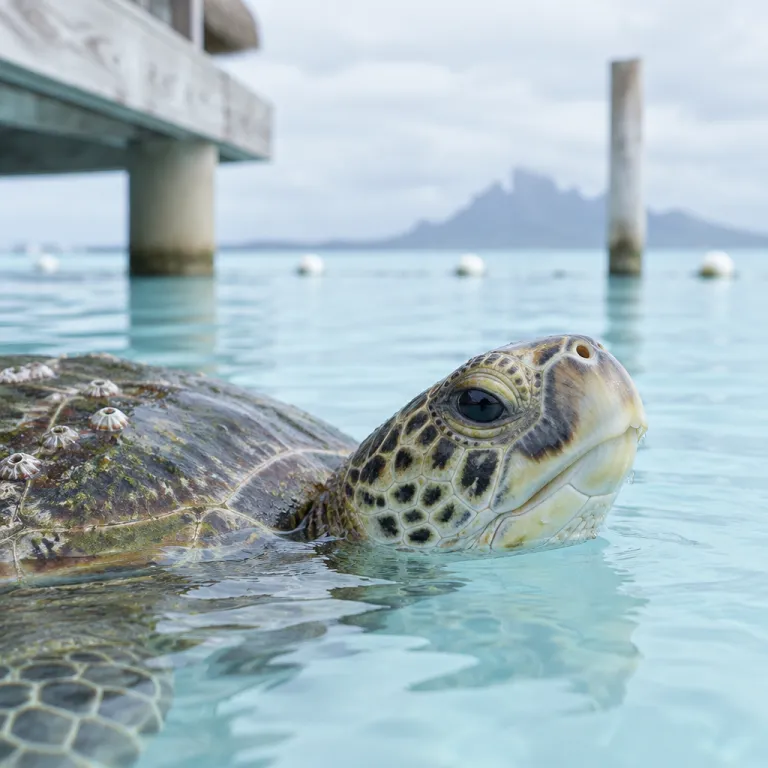
Sea turtle Bora Bora conservation for luxury‑minded families
Sea turtle Bora Bora conservation begins long before you slip into the lagoon, and the most thoughtful luxury travelers now plan their stay around it. On this small Bora island in French Polynesia, green turtles and hawksbill turtles shape how premium resorts design their marine programs, from reef‑safe amenities to quiet, low‑impact lagoon access that suits families. When you choose a Bora resort with a serious marine focus, you are not only booking overwater elegance but also supporting protection for sea turtles and the wider protection marine efforts that keep the lagoon alive.
Green turtles graze on sea grass and algae in the shallows, while hawksbill turtles browse sponges along coral reefs where the water shifts from pale mint to deep cobalt. These sea turtles rest under bommies and ledges during the warmest hours, so a patient swimmer who respects local guidance will often see a turtle rise slowly to the sea surface to breathe. For parents arriving from the United States or the United Kingdom, this calm, predictable rhythm makes it easier to plan family‑friendly snorkel sessions that feel magical yet remain firmly grounded in eco responsibility.
Across French Polynesia, from Tahiti to the Tuamotu Islands, sea turtle Bora Bora conservation is part of a broader story about mana moana, the spiritual energy of the ocean in Polynesian culture. On Bora, that story is told through local naturalist guides, eco center teams and marine biologists who translate complex science into child‑friendly language without losing nuance. When a guide explains that every bora turtle you meet is a protected animal under French Polynesian law, children quickly understand why turtles French Polynesian communities speak about them with such quiet respect.
Where green and hawksbill turtles actually live around Bora
Most families first meet a turtle in the calm lagoon rather than in the open sea, because the inner reef offers shelter, food and clear water that suits cautious young swimmers. Green sea turtles often graze near sandy patches where sea grass grows between coral heads, while hawksbill sea turtles weave through coral reefs searching for sponges and small invertebrates. When you book a stay during quieter shoulder weeks, as outlined in this guide to the weeks when the lagoon feels almost private, you reduce crowding at these feeding areas and make every encounter gentler for the animals.
On the ocean side of the reef, beyond the island’s passes, experienced guides sometimes lead advanced snorkel or dive outings where turtles cruise along drop‑offs in deeper polynesia sea water. These trips are not essential for families focused on sea turtle Bora Bora conservation, because many of the most rewarding sightings happen in waist‑deep water near your resort spa’s jetty or the house reef. What matters more is choosing a bora resort that limits motorized traffic in key marine zones and works with a local eco centre or eco center to map where turtles rest, so boats avoid those protected pockets.
Hidden gems for turtle watching often sit away from the busiest motu chains, where only a few small boats anchor and the polynesia view remains uncluttered by heavy infrastructure. Here, a single bora turtle might glide past your outrigger canoe, framed by the main island’s volcanic peaks and the outer islands on the horizon. Families who travel with patience, accept shorter outings timed to the tides and listen carefully to local French Polynesian guides usually enjoy more intimate, less intrusive moments with turtles than those who chase long bucket‑list excursions.
Turtle sanctuaries, marine centres and what responsible visits look like
Several properties in Bora operate some form of turtle sanctuary or marine centre, and for families this can be the most accessible entry point into sea turtle Bora Bora conservation. A well‑run turtle sanctuary in French Polynesia focuses on rehabilitation, research and education rather than entertainment, and it treats every turtle as a patient or long‑term resident rather than a prop. When you walk into an eco center or centre like this, staff will usually brief you on each animal’s story, explain why it is not yet ready for release and outline the wider protection marine framework that governs their work.
Look for clear signage about French regulations, French Polynesia protections and how the program collaborates with authorities in Tahiti and across the islands, because transparency is a strong indicator of seriousness. A genuine marine program will limit group sizes, control noise levels and keep visitors at a respectful distance from tanks or lagoon pens, especially when turtles are stressed or undergoing treatment. Families staying at a refined lagoonfront property such as the one reviewed in this in‑depth look at a French Polynesia lagoonfront stay can often combine a sanctuary visit with guided snorkelling on nearby coral reefs, turning a single morning into a full eco learning arc.
Hidden‑gem programs sometimes operate from smaller motu‑based resorts that pair a modest turtle facility with strong links to local communities and to other islands like the Tuamotu Islands. These centres may not have the polish of a large resort spa, yet their polynesia sea expertise and close ties to French Polynesian fishers and rangers can be exceptional. When evaluating options, cross‑check whether the bora resort or its eco team participates in regional tagging projects, strandings response or coral restoration, because those long‑term commitments usually signal that sea turtles and turtles French Polynesian ecosystems sit at the heart of their mission rather than at the edge of their marketing.
How to meet wild turtles without harming them
Every rule you hear about wild turtles in Bora exists for a biological reason, and understanding those reasons is central to meaningful sea turtle Bora Bora conservation. Turtles surface to breathe every few minutes, and if swimmers chase or try to ride them, they burn precious energy and may avoid feeding areas that are vital for their survival. When guides insist that you keep several metres of distance from any sea turtle, they are protecting the animal’s stress levels, its access to food and your family’s safety in one simple guideline.
Touching a turtle’s shell can remove the thin biofilm that helps protect it from infection, while grabbing a flipper risks injury to delicate joints and muscles. Flash photography near the surface can disorient turtles, especially juveniles, and repeated disturbance may push them away from otherwise ideal coral reefs or sea grass beds. Responsible bora turtle encounters therefore mean swimming calmly to the side, staying at the same depth rather than diving down above them and letting the turtle choose whether to approach or continue its route.
Boat etiquette matters just as much as snorkel etiquette, particularly around channels where turtles transit between the lagoon and the open sea. Eco‑minded captains in Bora and across French Polynesia cut engines early, avoid tight circles around animals and brief guests on how to enter the water quietly, which is a standard you should expect from any bora resort excursion. When you read a detailed review of hidden‑gem experiences around a lagoon property, such as this refined guide to lesser‑known lagoon spots, pay attention to how the operator talks about turtles, because language that emphasizes respect, distance and protection is usually a reliable proxy for real‑world behaviour.
Turning turtle encounters into family conservation lessons
For premium families, the most memorable Bora moments often happen when a child quietly floats above a grazing turtle and suddenly connects that image to everything they have heard about sea turtle Bora Bora conservation. Parents can prepare for this by talking through basic biology on the flight from the United States or the United Kingdom, explaining how green turtles eat sea grass while hawksbill turtles help keep coral reefs healthy by consuming certain sponges. Once on the island, a short visit to a turtle sanctuary or eco center gives children a concrete sense of why some turtles need medical care and why others remain protected in the wild.
During snorkel outings, turn observation into a game that rewards patience rather than pursuit, asking children to count how many breaths a sea turtle takes at the surface or how long it spends feeding on the lagoon floor. Encourage them to notice the polynesia view beneath them, from tiny reef fish cleaning a turtle’s shell to the way the animal navigates channels between coral heads without ever touching fragile structures. Back at your bora resort or resort spa, you can reinforce these lessons with simple sketches, short journal entries or conversations with local French Polynesian guides who can share stories about polynesian culture and mana moana that anchor conservation in lived experience.
Families who travel with this mindset often find that children become the strongest advocates for eco choices, reminding adults to choose reef‑safe sunscreen, to support properties with serious protection marine commitments and to respect no‑go zones around nesting beaches. Over time, these habits extend beyond Bora and French Polynesia, shaping how your family approaches marine life from Tahiti to the Tuamotu Islands and even back home. When a child who once met a single bora turtle in a quiet lagoon later asks whether a hotel in another part of polynesia sea has an eco centre or participates in sea turtle research, you see how one careful encounter can ripple far beyond a single trip.
How to choose hotels that genuinely support turtle protection
Not every luxury address in Bora engages with sea turtle Bora Bora conservation at the same depth, so your booking choices carry real weight. Properties with serious commitments usually publish clear information about their marine programs, list partnerships with French Polynesia authorities and describe how they work with local scientists on coral reefs and turtle monitoring. When a bora resort mentions an eco center or marine centre, look for details about rehabilitation protocols, release criteria and long‑term tracking rather than vague references to “turtle experiences” that sound more like photo opportunities.
Ask direct questions before you confirm, such as whether the resort spa’s lagoon activities avoid key feeding grounds, how many guests join each turtle‑focused outing and whether any interaction involves touching or feeding animals. A responsible answer will emphasize distance, small groups and strict no‑touch policies, aligning with the broader protection marine framework that governs turtles French Polynesian waters. If a property references mana moana and polynesian culture in its storytelling, check that this respect translates into tangible actions like supporting local ranger patrols, funding school programs or contributing data to regional projects that span Tahiti, Bora and the Tuamotu Islands.
Travel advisors who specialise in French Polynesia and families who return often to the islands can also be valuable filters, because they tend to know which programs have matured over time and which remain superficial. Some guests who once stayed at a large international brand such as Westin in other destinations now seek a similar level of comfort in Westin‑style Bora properties, but with stronger eco credentials and closer ties to local communities. Whether you lean toward a polished international flag like a hypothetical Westin Bora concept or a more independent bora resort, the goal is the same : align your stay with places where sea turtles, coral reefs and the wider polynesia sea environment are treated as neighbours rather than as decorations.
FAQ
Where are you most likely to see sea turtles in Bora Bora ?
Most visitors see sea turtles in the calm lagoon, especially around coral reefs and sandy patches with sea grass between the main island and the outer motu. Guided snorkel trips from eco‑focused resorts often visit known feeding areas where turtles surface regularly to breathe. You rarely need to go into open sea conditions to enjoy a respectful, close‑but‑distant view of a bora turtle.
Is it safe and legal to swim with turtles in French Polynesia ?
Swimming near turtles is allowed in French Polynesia as long as you respect distance rules and never touch, chase or feed the animals. Turtles are fully protected under French and French Polynesian law, so harassment or capture is illegal and can carry penalties. Joining outings run by trained local guides is the safest way to ensure your family follows current regulations.
How can I tell if a turtle sanctuary is ethical ?
An ethical turtle sanctuary focuses on rehabilitation, research and education, not on staged photos or handling sessions. Look for clear explanations of why each turtle is in care, how long it will stay and how the centre works with official protection marine programs. Facilities that limit visitor numbers, control noise and keep turtles in spacious, clean enclosures are usually more trustworthy.
Can my children touch or feed turtles during excursions ?
Responsible operators in Bora and across the islands do not allow guests, including children, to touch or feed turtles. Physical contact can damage shells, spread disease and cause stress, while feeding alters natural behaviour and may draw turtles into unsafe boat traffic. The best family experiences focus on quiet observation, guided learning and contributing to sea turtle Bora Bora conservation rather than on direct interaction.
What should I look for in a hotel if turtle conservation is a priority ?
Choose hotels that publish detailed information about their marine programs, list partnerships with local scientists and describe specific actions such as coral restoration or turtle monitoring. Ask whether they work with an eco center, limit boat traffic in sensitive zones and train staff in wildlife‑friendly practices. When a property treats turtles as protected neighbours and integrates polynesian culture and mana moana into its daily operations, it is usually a strong ally for long‑term conservation.