Reading the south Pacific sky from a Bora Bora lagoon suite
From an overwater villa facing the southern sky, Bora Bora’s night can feel almost unnaturally clear. Above the lagoon, the same stars once used for Polynesian navigation still rise in precise order, offering a quiet masterclass in direction while you sip vanilla-infused rum on your deck. Families who time their stay around the new moon see the Milky Way spill over the island like a luminous map.
Polynesian navigators crossed vast areas of the Pacific Ocean without modern instruments, relying on constellations, ocean swells and the flight of seabirds to hold a steady east–west course between islands. When a guide explains how crews steered by the Southern Cross, Orion and the Pleiades while feeling long swells under the hull, the view from your luxury resort suddenly feels less like a postcard and more like a living classroom. Children start to recognise that each bright point is a coordinate, not just a decoration in the south Pacific sky.
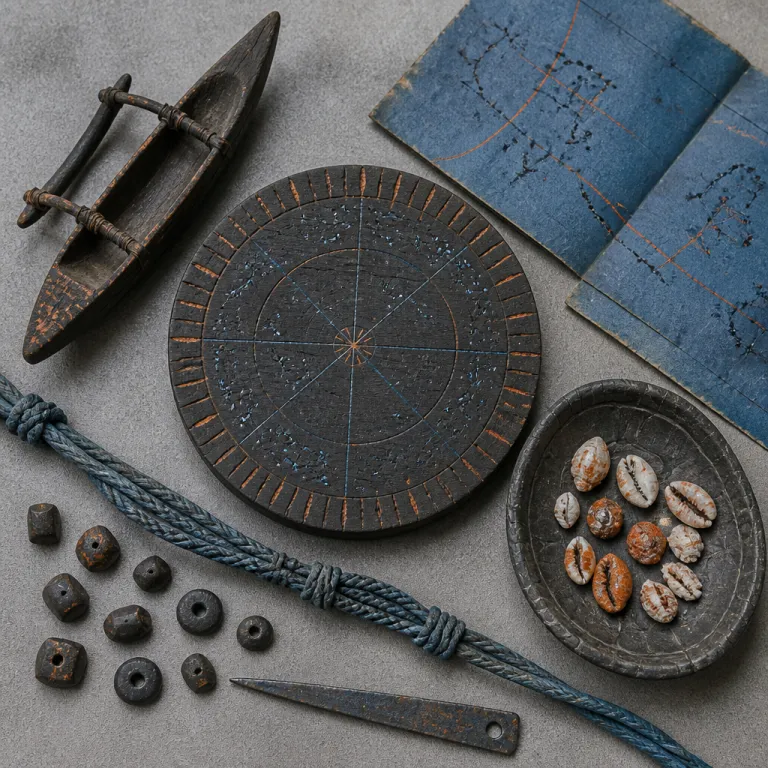
On Bora Bora, high-end properties now invite local experts in Polynesian navigation to host stargazing evenings on quiet motu beaches, usually developed in consultation with community cultural groups. A navigator may sketch a sidereal compass in the sand, then point out how specific stars mark the direction toward Tahiti, Tonga or the Cook Islands across the dark ocean, drawing on teachings shared by organisations such as the Polynesian Voyaging Society and the Musée de Tahiti et des Îles. For a premium family, this turns a standard resort night into a rare cultural experience that links your island stay to the wider story of Polynesia while supporting knowledge keepers whose work sustains that heritage.
How ancient wayfinders used stars, swells and clouds to reach Bora Bora
Long before any Captain Cook charted these waters, Polynesian voyaging canoes threaded between islands using refined navigation techniques. Wayfinding meant reading a sidereal compass of rising and setting stars, then cross-checking that celestial direction against the feel of long ocean swells under the hull. What we now call wayfinding was simply life-or-death precision for every navigator guiding families toward new land in eastern Polynesia.
Ancient Polynesian navigators from regions such as central Polynesia and parts of Micronesia learned to memorise star paths that linked the southern and western horizons, then passed those routes through oral traditions rather than written charts. They watched how specific stars aligned with the silhouette of an island at different times of year, building mental maps that reached as far as Rapa Nui (Easter Island) and Aotearoa (New Zealand), as documented in works like David Lewis’s We, the Navigators. In Micronesian traditions, concepts such as etak described a moving reference island used to track progress, while navigators across the Pacific also tracked cloud formations, since stationary clouds often signalled atolls like the Marshall Islands or the Caroline Islands hidden just beyond the visible curve of the ocean.
Modern cultural programs on Bora Bora translate this knowledge into family-friendly experiences that still respect its depth. During an evening on the sand, a guide might define wayfinding as ancient Polynesian navigation that uses environmental cues, while your children trace constellations above French Polynesia and learn how different island groups developed distinct techniques. To deepen that cultural thread, pair a navigation-themed night with a visit to local tattoo artists whose work is rooted in the same ancestral stories of voyages and direction, using a specialist tour focused on Polynesian tatau in the south Pacific. When possible, choose operators who highlight how their practice benefits local apprentices and honours community protocols.
Bora Bora’s place in the voyaging network of Polynesia
Bora Bora sits in the Society Islands like a volcanic compass point, a steep island rising from the lagoon that once helped sailors confirm their navigation across open water. Approaching from the east or west, Polynesian voyaging crews would watch for the island’s distinctive profile and the way ocean swells bent around its reef, subtle cues that they had reached the right land after weeks at sea. For families arriving by plane today, that same outline still signals a shift from transit to arrival, even if your voyage covers hours instead of thousands of miles.
Historically, canoes moved between Tahiti, the Cook Islands, Tonga and other hubs of Polynesia in a constant flow of people, stories and crops. These voyages stitched together communities from Micronesia to parts of Melanesia, creating a cultural ocean where navigation knowledge mattered as much as any resource found on land. Bora Bora’s role in this network was both practical, as a stopover island in the south Pacific, and spiritual, as a place whose dramatic peaks felt “created by the gods” to many visiting navigators.
Today, when you book a luxury stay, you can still trace that web of connections through curated cultural excursions designed with local partners. Some high-end resorts collaborate with artisans whose ancestors once traded across the Solomon Islands, the Marshall Islands and the Caroline Islands, offering workshops on coprah, pandanus weaving and other crafts shaped by inter-island voyages. For a deeper dive into these traditions before you travel, explore a guide to Polynesian crafts and cultural experiences to book in Bora Bora, then choose a property whose concierge can secure private sessions for your family while ensuring fair compensation and respectful storytelling.
The navigation renaissance and what it means for luxury travelers
Across Polynesia, a quiet renaissance in traditional navigation is reshaping how island communities talk about their past and future. Projects inspired by the Hawaiian voyaging canoe Hōkūleʻa and by researchers such as David Lewis, author of We, the Navigators, have revived interest in Polynesian navigation techniques, from the sidereal compass to reading ocean swells by feel alone. In French Polynesia, this has encouraged a new generation of Polynesian navigators to reclaim knowledge once pushed aside by charts and compasses.
For travelers, this revival translates into richer, more grounded cultural programming at the top properties in Bora Bora. Some resorts now invite members of regional voyaging society groups to speak about long-distance voyages that link Tahiti, the Cook Islands and other parts of eastern Polynesia, giving guests a sense of scale that stretches far beyond one island. Hearing how crews still cross thousands of miles in the south Pacific using stars and swells can be a powerful counterpoint to the ease of a seaplane transfer from the main airport.
Premium families should look for hotels that treat these stories as living heritage rather than staged entertainment. Ask whether the resort supports educational programs for local youth and contributes to initiatives focused on revival of traditional navigation, cultural heritage preservation and community-led training. When a property invests in real Polynesian voyaging projects and follows guidance from cultural authorities, your stargazing session on the beach becomes part of a wider effort to keep ancestral direction-finding skills alive for the communities who created them.
Designing a family stay around the stars and stories of Bora Bora
Planning a luxury trip with children to Bora Bora is easier when you frame the island as an open-air observatory. Choose a resort on a motu with minimal light pollution so the stars above the lagoon remain bright enough to anchor a practical lesson in Polynesian navigation for younger guests. Many premium properties will arrange early evening sessions, letting families learn before bedtime while the southern sky is still comfortable.
During the day, balance lagoon time with cultural encounters that echo the themes of direction and voyaging. A private outrigger excursion with a local navigator can show how ocean swells still guide small boats between reef passes, while stories on board link your short hop to the longer voyages once made between Tahiti, Tonga and other islands. Back on land, a tasting menu at an intimate fine dining address such as La Villa Mahana on Bora Bora can weave ingredients from across Polynesia into a narrative that mirrors those historic routes.
Even simple choices, like which way your overwater suite faces, can subtly connect your stay to the old east–west pathways across the Pacific Ocean. Ask for terraces oriented toward the rising stars if you want to trace the direction of ancestral arrivals, or toward the setting constellations if your family prefers sunset storytelling about voyages continuing beyond the horizon. In both cases, the luxury lies not only in the room category but in the chance to feel how this island still sits at the crossroads of sea, sky and memory, provided that your experiences are framed with respect for the people whose traditions you are learning from.
FAQ about polynesian navigation and Bora Bora
How did ancient sailors reach Bora Bora without modern instruments ?
Ancient sailors reached Bora Bora through a sophisticated system now called Polynesian navigation, which combined star paths, ocean swells and environmental cues. They memorised a sidereal compass of rising and setting stars that indicated direction toward key islands such as Tahiti or the Cook Islands. They also watched bird flight patterns and cloud formations above land, confirming their position across vast stretches of the south Pacific.
What is wayfinding in the context of polynesian voyaging ?
Wayfinding is the traditional method of navigation used by Polynesian navigators to cross the Pacific Ocean without charts or compasses. In this context, wayfinding refers to ancient Polynesian navigation using environmental cues, including the night sky, ocean swell patterns and the behaviour of wildlife. This approach treats the sky, sea and birds as a single integrated map, allowing crews to sail thousands of miles between islands such as the Marshall Islands, the Caroline Islands and the Society Islands.
Can visitors in Bora Bora experience navigation themed activities today ?
Visitors in Bora Bora can join navigation-themed activities offered by selected high-end resorts and cultural operators. These often include guided stargazing sessions where local experts explain Polynesian navigation techniques, demonstrate a sidereal compass in the sand and point out stars used to steer toward different islands. Some programs also feature short lagoon voyages in traditional-style canoes, where guests feel how ocean swells and wind direction still inform safe travel between reef passes.
Why did polynesian communities undertake such long voyages across the ocean ?
Polynesian communities undertook long voyages across the ocean to expand their access to land and resources, and to maintain cultural exchange between distant islands. As one concise summary states, “Why did Polynesians explore the Pacific? To find new lands and resources.” These voyages linked regions such as Micronesia, parts of Melanesia and eastern Polynesia into a connected world, with Bora Bora eventually becoming one of many important waypoints.
How is traditional navigation knowledge being preserved in french polynesia ?
Traditional navigation knowledge in French Polynesia is being preserved through a mix of voyaging society initiatives, school programs and community-led projects. Inspired partly by research from figures like David Lewis and by the success of canoes such as Hōkūleʻa, local groups organise training voyages where apprentices learn to read stars and swells at sea. On Bora Bora, partnerships between resorts and cultural organisations help fund educational programs so younger generations can continue the lineage of Polynesian navigators, with museums and cultural centres providing additional context for visitors.
Sources
World History Encyclopedia ; Polynesian Voyaging Society ; Musée de Tahiti et des Îles ; David Lewis, We, the Navigators