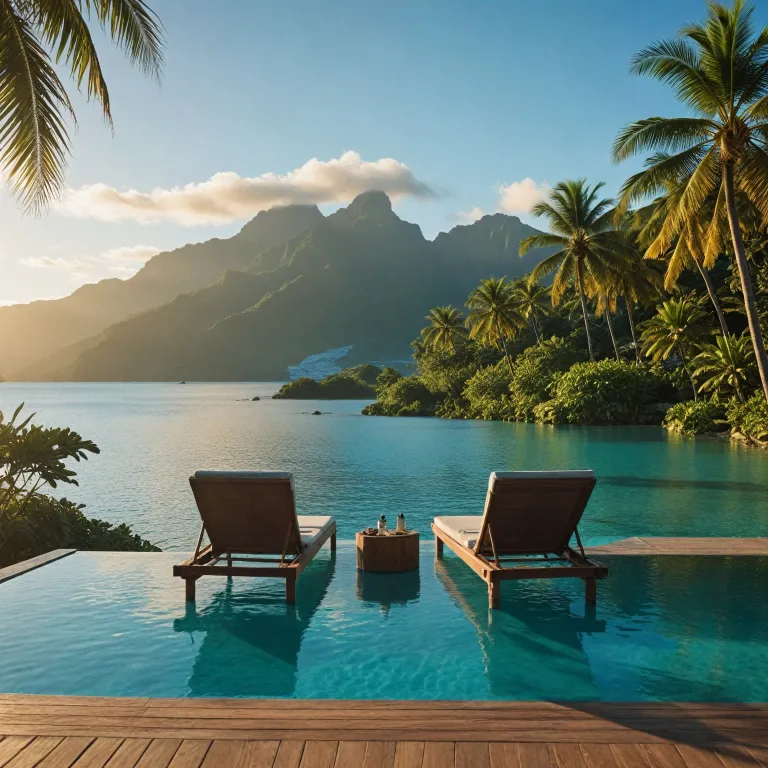
Understanding the best time to go to Tahiti from a luxury traveler’s view
Choosing the best time to go to Tahiti shapes every detail of a premium stay. For travelers comparing islands in French Polynesia, the rhythm of each season determines when the lagoon is calm, when prices peak, and when cultural life is most vibrant. Luxury guests planning to visit often balance weather, privacy, and signature experiences such as whale watching or major festivals.
The climate of the islands Tahiti follows a clear pattern between a dry season and a rainy season, and this has a direct impact on high season pricing. From May to October, the dry season brings lower humidity, bright skies, and average temperatures around 26 °C, which many consider the best time for outdoor activities and overwater villa stays. During the wetter months from November to April, showers are more frequent, yet the landscapes of each island become intensely green and crowds thin significantly.
For guests combining Tahiti, Moorea, and Bora Bora in one itinerary, the time visit window between July and September is especially attractive. These months June to September align with the high season, when lagoon visibility is excellent and inter island flights operate at strong frequency. However, this same period is when luxury and premium hotel booking websites in Bora Bora show the fastest sell out patterns, so travelers who want the perfect villa category should secure reservations several months ahead.
Dry season, high season, and why they matter for Bora Bora luxury stays
For many travelers, the best time to go to Tahiti coincides with the dry season that runs roughly from May to October. During this period, the south Pacific trade winds moderate humidity, and the weather across the islands is reliably sunny with limited rainfall. This is when a stay on the island of Bora Bora feels particularly effortless, with calm lagoon conditions ideal for private boat charters and reef snorkeling.
Because the dry season is also the high season, luxury and premium properties on the islands Tahiti, Moorea, and Bora Bora adjust their pricing upward. Guests planning to visit Bora or to travel Bora Bora for honeymoons should expect higher nightly rates, stricter minimum stay rules, and reduced last minute flexibility. Booking through a specialized luxury and premium hotel platform allows travelers to compare high season offers, secure added amenities, and coordinate inter island transfers efficiently.
Environmentally conscious guests often choose this season to combine comfort with sustainability, especially when selecting Bora Bora luxury eco resorts that emphasize reef friendly practices. The dry season is also the perfect time visit period for extended stays that include Moorea and the wider south Pacific archipelagos. With clear skies, refined dining, and reliable flight schedules, the May to October window offers a balanced blend of comfort, culture, and logistical ease for discerning visitors.
Rainy season nuances and how to time a premium escape
Understanding the rainy season is essential when deciding the best time to go to Tahiti for a luxury holiday. From November to April, the south Pacific convergence brings warmer air, higher humidity, and more frequent showers across the islands. This November April stretch is not constant downpour, but rather a pattern of intense showers followed by bright sunshine, which can still suit travelers who value seclusion and softer pricing.
For premium hotel booking in Bora Bora, this season can offer excellent value on high category villas and suites. Many travelers who visit Tahiti during these months enjoy quieter resorts, more flexible check in arrangements, and easier access to coveted spa appointments. However, guests should be comfortable with the possibility of occasional stormy days and should consider travel insurance that covers weather related disruptions across French Polynesia.
Luxury travelers who plan to visit Bora during the rainy season often structure their itineraries to include Moorea or other islands where lush vegetation is particularly striking after rainfall. The islands Tahiti benefit from fewer crowds at key viewpoints, and private excursions can be more customizable when guides are less busy. When using a dedicated luxury and premium hotel booking website in Bora Bora, filters for flexible cancellation, overwater versus beach villas, and all weather activities become especially valuable during this November April period.
Month by month highlights from April to November for Tahiti and Bora Bora
For travelers seeking the best time to go to Tahiti, examining each month between April and November helps refine decisions. April marks a transitional season, when the rainy season eases and the dry season begins to emerge, offering a mix of warm weather and gradually clearer skies. Many luxury guests choose April as a perfect compromise, with improving weather and still moderate demand on the islands.
By July, conditions across the islands Tahiti are firmly within the dry season, and the atmosphere becomes festive. The Heiva i Tahiti festival in July is a major cultural event celebrating Polynesian traditions with music, dance, and sports. During July August, high season demand peaks, especially for overwater villas in Bora Bora and Moorea, so travelers who want specific room categories should coordinate with their preferred luxury booking platform well in advance.
As the calendar moves into August September, the weather remains excellent while crowds begin to thin slightly. Many consider September October to be the best time visit window, combining stable weather, warm lagoon temperatures, and a more relaxed pace at high end resorts. In particular, September and October are attractive for couples who want to visit Bora and Tahiti together, enjoying refined dining, private excursions, and quieter pool decks while still benefiting from the advantages of the dry season.
Whale watching, cultural events, and aligning experiences with the best time
Experiences such as whale watching and cultural festivals strongly influence the best time to go to Tahiti for many travelers. Between July and October, humpback whales migrate through the south Pacific, and guided excursions from Tahiti, Moorea, and sometimes Bora Bora offer respectful viewing opportunities. These months June to October align with the dry season, creating a perfect combination of calm seas, clear visibility, and memorable marine encounters.
Luxury travelers who visit Tahiti during July can also align their stay with Heiva Tahiti celebrations. Increased interest in cultural tourism during Heiva i Tahiti has encouraged many high end resorts on the islands Tahiti to curate special performances, craft workshops, and tasting menus. For guests booking through a premium hotel website, selecting dates that overlap with these events can transform a simple stay into a deeper immersion in French Polynesia’s heritage.
Outside the peak of July August, the shoulder months of August September and September October still offer excellent conditions for marine life viewing and cultural programming. Some travelers choose this time visit window to combine whale watching with extended stays in Bora Bora, using private boat charters and personalized guiding. When evaluating itineraries across the south Pacific, aligning preferred experiences with the right season ensures that each island, from Tahiti to Moorea and Bora, delivers its full potential.
How luxury booking platforms optimize timing for Bora Bora and beyond
For guests planning a high end stay, the best time to go to Tahiti is often clarified through expert guidance on a luxury and premium hotel booking website in Bora Bora. These platforms synthesize data on weather, occupancy, and flight schedules across the islands Tahiti to recommend ideal travel windows. They also highlight when the dry season or rainy season will most affect specific experiences, such as private lagoon cruises, spa rituals, or helicopter tours.
During the high season from May to October, premium booking sites emphasize early planning for Bora Bora, Moorea, and Tahiti. Book accommodations and flights well in advance due to high demand during the dry season. Plan activities around local festivals for a richer cultural experience.
Many travelers also rely on curated content that compares different islands and seasons, including detailed guidance on when to visit Bora versus when to focus on Tahiti or Moorea. Resources such as legacy private island resorts and refined alternatives help guests understand how property character changes throughout the year round cycle. By combining these insights with official tourism updates, travelers can choose the perfect time visit window that balances weather, privacy, and access to signature experiences across French Polynesia.
Practical planning tips for timing, pricing, and inter island itineraries
Turning knowledge of the best time to go to Tahiti into a concrete itinerary requires attention to logistics. First, travelers should decide whether their priorities favor the dry season, with its high season pricing and excellent weather, or the rainy season, with softer rates and fewer visitors. This choice will shape not only when they visit Tahiti but also how they sequence Bora Bora, Moorea, and other islands.
For guests who plan to visit Bora during July August or September October, securing inter island flights early is essential. Be prepared for higher prices and larger crowds during peak tourist months. Utilizing official tourism websites for up to date information helps travelers track any schedule changes or special events that might influence their time visit decisions.
Those who prefer quieter months June or November April can still enjoy a refined experience by focusing on properties with strong all weather facilities, such as spacious villas, indoor dining, and comprehensive spa programs. Local tour operators and hotels in the south Pacific increasingly offer eco friendly excursions that operate year round, regardless of season. By combining flexible booking policies, informed timing, and realistic expectations about weather, travelers can ensure that every island on their French Polynesia journey feels perfectly aligned with their personal definition of the best time.
Key statistics on Tahiti’s climate and seasons
- Average temperature during the dry season in Tahiti is about 26 °C, offering comfortable conditions for outdoor activities and lagoon excursions.
- Average rainfall during the dry season is approximately 50 mm per month, which supports reliable sunshine for most luxury resort stays.
Essential questions about the best time to go to Tahiti
What is the weather like in Tahiti during the dry season ?
The dry season in Tahiti, from May to October, features pleasant temperatures around 26–28 °C and lower humidity, making it ideal for outdoor activities. This period is widely regarded as the best time visit window for travelers who prioritize sunshine and calm seas. It is also when many luxury guests choose to combine Tahiti, Moorea, and Bora Bora in a single itinerary.
Are there any major events in Tahiti during the dry season ?
Yes, the Heiva i Tahiti festival in July is a major cultural event celebrating Polynesian traditions with music, dance, and sports. Many high end resorts and local partners coordinate special programs around Heiva Tahiti, enhancing the cultural depth of a stay. Travelers who visit Tahiti during this period should plan early, as demand for premium rooms and inter island flights increases significantly.
Is it more expensive to visit Tahiti during the dry season ?
Yes, the dry season is also the high tourist season, leading to higher prices for flights and accommodations. Luxury and premium hotel booking websites in Bora Bora often highlight these pricing patterns so travelers can adjust their dates or room categories. Guests who are flexible on timing may find better value by traveling at the edges of the dry season while still enjoying favorable weather across the islands.