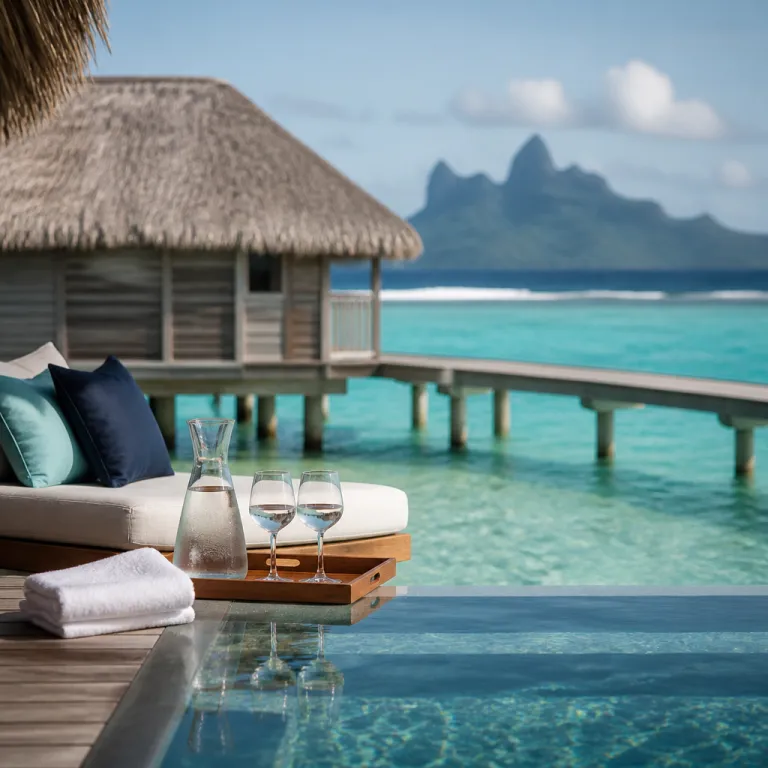
Best Time to Visit Bora Bora Island for a Luxury Stay
Understanding the best time to visit Bora Bora island for luxury stays
The best time to visit Bora Bora island depends on how you balance weather, privacy, and price. For many luxury travellers, the dry season from May to October offers the best combination of calm lagoon conditions, clear skies, and comfortable temperatures around 27 °C. This period in the South Pacific is also the high season, so every time you plan a stay on the main island or a private motu, you should expect higher rates and limited availability.
When you visit Bora during the dry season, the weather usually brings gentle trade winds, low humidity, and excellent visibility for snorkelling around the islands. This is often considered the best window for couples who want overwater villas facing Mount Otemanu and uninterrupted sunset views across the lagoon. Because this is the high season in French Polynesia, a smart strategy is to secure flights and rooms at least six to nine months in advance, especially if you are combining Tahiti and Bora Bora in one itinerary.
Outside the dry season, the rainy season from November to April brings warmer weather around 29 °C and more frequent showers, yet it can still be the best time for certain travellers. Luxury guests who value quieter resorts, softer pricing, and lush green scenery often find this season in Bora Bora ideal for a longer stay on the island. When you plan a trip for the November to April period, you should monitor the South Pacific forecasts closely and use booking platforms that allow flexible changes if the rainy season becomes too intense.
How climate and seasons shape a premium Bora Bora experience
Bora Bora sits in the heart of French Polynesia, surrounded by coral reefs that protect its lagoon and frame the main island. This geography creates a tropical climate with two dominant patterns, the dry season and the rainy season, each offering a different type of luxury travel experience. During the dry season, the combination of stable weather and calm seas makes it the best time to visit Bora Bora island for guests who prioritise outdoor activities and long days on the water.
From June to August, which are the core months of the dry season, the South Pacific trade winds keep temperatures pleasant for hiking around Mount Otemanu or exploring the interior of island Bora Bora. These June to August weeks are also when many European and North American travellers visit, which pushes demand for overwater suites and beachfront villas to a high season peak. If you want the best balance between availability and weather, consider the shoulder weeks at the start or end of this dry season, when the lagoon is still calm but the islands feel slightly less crowded.
Between November and April, the rainy season brings heavier showers, yet rain often falls in bursts followed by sunshine over the lagoon. This November to April window can still be the best time for guests who value privacy, as some luxury resorts on private motu islets feel almost like exclusive retreats. When you plan a trip for this season in Bora Bora, pack light rain gear, schedule outdoor excursions in the morning when the weather is usually more stable, and keep indoor spa or fine dining experiences for the wetter afternoons.
Hidden gems and seasonal magic around Bora Bora’s lagoon
Beyond the iconic overwater villas, the best time to visit Bora Bora island also depends on which hidden gems you want to experience. On the eastern side of the main island, small family run restaurants offer refined poisson cru and grilled lagoon fish, especially lively during the dry season evenings. These local spots are easier to enjoy when the weather is settled, and they pair beautifully with a sunset table at a panoramic venue, which you can research through specialised guides to sunset dining in Bora Bora where the view rivals the menu.
For guests staying on a private motu, the season in Bora Bora shapes how you move between the islands and the main island for excursions. Calm dry season seas make boat transfers smooth, which is especially important if you plan a trip with multi course dinners, spa appointments, or late night returns from cultural shows. During the rainy season, resort concierges often adjust transfer times to match better weather windows, so keeping your schedule flexible will help you enjoy both the lagoon and the island nightlife.
Some of the most rewarding hidden gems appear when you align your travel dates with specific natural events in the South Pacific. Between June and August, cooler waters around French Polynesia improve visibility for snorkelling with rays and reef sharks in quieter corners of the lagoon, away from the main tour routes. Later in the rainy season, certain operators offer discreet whale watching excursions in wider Polynesian waters, and while departures depend heavily on weather, they can transform a stay in Bora Bora into a once in a lifetime memory.
Quiet corners and local life across the seasons
On the western coast of island Bora Bora, small chapels and village squares host local gatherings that feel very different from resort life. The best time to visit Bora Bora island for these cultural moments often falls outside the absolute high season, when residents have more time to share stories and traditions. During the shoulder weeks of the dry season, you can attend Sunday services, walk back along the lagoon road, and still return to your luxury stay before the afternoon sun peaks.
In the rainy season, the atmosphere in these local areas changes as showers cool the air and bring out the scent of frangipani trees. Travellers who visit Bora during this period often find that cafés and small eateries become cosy refuges, ideal for tasting Tahiti inspired pastries and talking with residents about life in French Polynesia. Because the weather can shift quickly, it is wise to keep your plans loose, allowing you to pause in a village when a sudden downpour passes over the main island.
For guests who value privacy, some of the best experiences come from simple walks along less frequented stretches of coastline. Early mornings in the dry season offer soft light on Mount Otemanu and almost empty paths, while late afternoons in the rainy season can bring dramatic skies over the South Pacific. In both seasons, planning your travel around these quieter hours lets you enjoy the islands at their most serene, then return to the comfort of your resort as the day’s weather changes.
Aligning luxury hotel bookings with Bora Bora’s high and low seasons
For a luxury traveller, the best time to visit Bora Bora island is closely tied to booking strategy. During the dry season from May to October, demand for overwater villas and beachfront suites reaches its peak, creating a pronounced high season. If you want the best rooms with direct lagoon access and unobstructed Mount Otemanu views, you should plan a trip and secure reservations long before your intended stay.
Many premium resorts on the main island and surrounding private motu islets release their most desirable categories early, especially for the June to August period. This is when international tourists travel to French Polynesia in large numbers, drawn by stable weather and the promise of clear South Pacific skies. To navigate this high season effectively, consult detailed guides on booking a Bora Bora hotel in peak season with the right timing, then combine that advice with flexible air tickets between Tahiti and Bora Bora.
Outside the dry season, the rainy season from November to April can offer compelling value for luxury stays. Resorts often introduce added benefits such as spa credits, lagoon excursions, or complimentary meals to encourage travel during this softer demand period. When you visit Bora in these months, you may find that the same overwater villa costs significantly less than in the high season, yet you still enjoy warm weather and the full range of resort services.
Room categories, views, and how season affects availability
Not all rooms are equal when you consider the best time to visit Bora Bora island for a specific experience. Overwater villas facing Mount Otemanu, especially those on the outer edge of a private motu, tend to sell first for the dry season because they combine privacy with panoramic lagoon views. During the June to August peak, these categories often reach full occupancy, while garden suites or beach bungalows on the main island may remain available longer.
In the rainy season, patterns shift as some travellers prioritise indoor space and spa access over constant sunbathing. Suites with larger living areas, deep soaking tubs, and easy access to restaurants become more attractive, particularly when showers pass over the islands. If you plan a trip for the November to April period, you can often secure these higher categories at rates that would be impossible during the high season, making this season in Bora Bora appealing for extended stays.
Whichever season you choose, align your booking window with airline schedules between Tahiti and Bora Bora, as limited flights can constrain your ideal dates. When you combine a stay in Tahiti and Bora Bora, consider spending the first night near Faa’a International Airport to buffer any delays, then continue to the island the next morning. This approach protects your luxury stay from disruptions caused by South Pacific weather, especially during the more unpredictable rainy season.
Weather, lagoon conditions, and activity planning across the year
Understanding how weather shapes the lagoon is essential when deciding the best time to visit Bora Bora island. During the dry season, average temperatures hover around 27 °C and rainfall decreases, creating ideal conditions for snorkelling, paddleboarding, and sailing across the turquoise waters. Calm seas around the islands also make it easier to organise a Bora Bora cruise or private yacht charter that explores both the main island and nearby coral gardens.
From June to August, visibility in the lagoon is often at its clearest, which benefits underwater photography and reef exploration. This is also when many travellers visit Bora for special occasions, such as honeymoons or anniversaries, because the predictable weather reduces the risk of cancelled excursions. If you are planning a cruise or full day lagoon tour, schedule it early in your stay so that you have time to reschedule if an unexpected front passes through the South Pacific.
During the rainy season from November to April, average temperatures rise to around 29 °C and humidity increases, yet the lagoon remains warm and inviting. Showers can be intense but brief, and many guests enjoy watching dramatic clouds roll over Mount Otemanu from the privacy of their overwater decks. When you visit Bora in this season, structure your time around morning outings on the water and keep afternoons flexible for spa treatments, cooking classes, or relaxed whale watching briefings if your trip coincides with migration periods in wider French Polynesia.
Matching activities to the right season in Bora Bora
Different activities shine at different times, which is why the best time to visit Bora Bora island varies by interest. For active travellers, the dry season is ideal for hiking trails on the main island, jet skiing around the lagoon, and taking scenic helicopter flights over the islands. Calm weather between June and August also favours parasailing and stand up paddleboarding, as the South Pacific winds are usually gentle and predictable.
Guests who are passionate about marine life often time their stay to coincide with key natural events. While whale watching is more associated with broader French Polynesia than the lagoon itself, some operators offer seasonal excursions that depart from Bora Bora and head into deeper South Pacific waters. These trips are highly weather dependent, so the dry season generally offers more reliable conditions, though certain windows in the rainy season can also be rewarding when seas are calm.
For those who prefer cultural immersion and relaxation, the rainy season can still be the best choice. Warm evenings encourage long dinners under shelter, accompanied by live Polynesian music and dance performances that continue regardless of showers. During these months, you can also enjoy spa rituals inspired by Tahiti and Bora Bora traditions, using monoi oil and local ingredients that connect your stay to the islands’ heritage.
Integrating Tahiti, cruises, and multi island itineraries
Many luxury travellers combine Tahiti and Bora Bora in a single South Pacific journey, which changes how they define the best time to visit Bora Bora island. International flights typically arrive in Tahiti, so your first night often unfolds on this larger island before you continue to Bora Bora by air. When you plan a trip that includes both islands, align your dates with the dry season if you prioritise smooth inter island transfers and consistent weather.
Some guests extend their stay with a South Pacific cruise that links several islands in French Polynesia, including Bora Bora. In this case, the season in Bora Bora becomes part of a wider pattern, as cruise lines often schedule itineraries during the dry season to minimise weather related disruptions. If you choose a cruise that visits the lagoon during June to August, you will likely enjoy clear views of Mount Otemanu from the ship’s deck and comfortable temperatures for shore excursions.
Travellers who prefer quieter ports sometimes select shoulder weeks at the edges of the dry season, when both Tahiti and Bora Bora feel less crowded. These periods can still offer the best balance of weather and availability, especially for premium cabins on small ship cruises that focus on intimate experiences. Whether you stay on the main island, a private motu, or a ship, coordinate your visit so that key highlights such as lagoon tours and cultural evenings fall on days with the most favourable forecasts.
Designing a seamless luxury itinerary around Bora Bora
When you build a multi island itinerary, the best time to visit Bora Bora island should anchor your schedule. Start by choosing whether you prefer the dry season for reliable weather or the rainy season for softer pricing and lush landscapes. Then, fit Tahiti, Moorea, and any cruise segments around those core Bora Bora dates, ensuring that flight connections and hotel availability align with your desired level of comfort.
For guests who value efficiency, spending one or two nights in Tahiti before or after Bora Bora can ease jet lag and provide a gentle introduction to French Polynesia. This approach works well in both seasons, as you can explore markets, museums, and waterfront dining in Papeete regardless of minor weather changes. When you visit Bora after Tahiti, you arrive already acclimatised, ready to step directly into your overwater villa and enjoy the lagoon from the first afternoon.
Those who add a cruise to their itinerary should pay close attention to how the season in Bora Bora affects sea conditions. Smaller vessels feel weather shifts more acutely, so the dry season usually offers the smoothest passages between islands. If your travel dates fall in the rainy season, choose larger ships or itineraries that remain closer to sheltered waters, and keep your plans flexible to accommodate any schedule adjustments.
Practical planning tips for choosing your ideal Bora Bora season
Turning climate data into a real world plan is the final step in deciding the best time to visit Bora Bora island. Average dry season temperatures around 27 °C and lower rainfall make May to October attractive for most first time visitors, especially those focused on outdoor activities. Travel experts and organisations such as Tahiti Tourisme often summarise it clearly in planning guides with statements such as “May to October offers the best weather conditions.”
However, the rainy season from November to April, with average temperatures near 29 °C and annual rainfall around 1 800 mm, can still be the best option for certain travellers. Prices for luxury stays often drop, and resorts may include added amenities that enhance the overall value of your visit Bora experience. If you are comfortable with occasional showers and want a quieter atmosphere on the islands, this season in Bora Bora deserves serious consideration.
To refine your decision, use specialised resources that analyse when to go for luxury stays, such as detailed overviews on the best time to visit Bora Bora in luxury. Combine these insights with real time weather forecasts from services like Météo-France, airline schedules between Tahiti and Bora Bora, and your own preferences for sun, crowds, and activities. By aligning your visit with what matters most to you, whether that is whale watching opportunities, cultural events, or simply long days on a private motu deck, you transform climate statistics into a tailored South Pacific escape.
Budget, flexibility, and how far ahead to book
Budget plays a decisive role in choosing the best time to visit Bora Bora island for a luxury holiday. During the high season dry months, room rates, flights, and some excursions reach their peak, reflecting intense global demand for the islands. If you are set on this period, booking well in advance and being flexible with exact dates can help you secure strong value within that premium window.
In the rainy season, flexibility becomes your greatest asset, as weather patterns can shift quickly across the South Pacific. Choosing refundable or changeable rates for both flights and hotels allows you to adjust your visit if forecasts suggest particularly heavy rain. Many travellers who visit Bora in these months appreciate the quieter atmosphere so much that they extend their stay, taking advantage of more favourable pricing on the main island and private motu resorts.
Whichever season you select, remember that Bora Bora is part of a wider French Polynesia ecosystem, with Tahiti, Moorea, and other islands offering complementary experiences. By planning your travel holistically, you can enjoy urban culture in Tahiti, lush peaks elsewhere, and the iconic lagoon of Bora Bora in a single journey. When all these elements align with your chosen season in Bora Bora, your stay becomes more than a trip, it becomes a carefully orchestrated South Pacific escape.
Key figures and climate statistics for planning
- Average dry season temperature in Bora Bora is about 27 °C, which provides comfortably warm days for lagoon activities and outdoor dining, according to Tripbase and regional climate summaries.
- Average rainy season temperature is around 29 °C, so even during heavier showers the lagoon remains warm enough for swimming and snorkelling, based on Tripbase data and Météo-France observations.
- Average annual rainfall reaches approximately 1 800 mm, with most precipitation falling between November and April, which explains why this period is classified as the rainy season by Tripbase and Tahiti Tourisme.
- The dry season typically runs from May to October, aligning with the main high season for tourism, when weather is more stable and skies are clearer over the South Pacific.
- Travellers are advised to book early for the dry season, pack light rain gear for the wet months, and check the local events calendar to align cultural experiences with their stay.
FAQ about the best time to visit Bora Bora island
What is the best month to visit Bora Bora for luxury travel ?
For most luxury travellers, the best month to visit Bora Bora falls within the broader dry season from May to October. These months offer more stable weather, lower humidity, and clearer lagoon conditions, which are ideal for overwater villa stays and outdoor activities. Shoulder weeks at the start or end of this period can provide a balance between favourable weather and slightly lower crowd levels.
Is Bora Bora expensive during the high season dry months ?
Yes, Bora Bora is more expensive during the high season that coincides with the dry months. Demand for premium rooms, flights, and excursions increases significantly, especially between June and August, which pushes prices upward. Travellers who want to manage costs while still enjoying good weather often target shoulder weeks or consider a mix of room categories during their stay.
Are there hurricanes in Bora Bora during the rainy season ?
Hurricanes in Bora Bora are rare but possible during the rainy season, which runs roughly from November to April. The islands sit in a part of the South Pacific that can experience tropical systems, though direct hits are uncommon. To mitigate risk, travellers should monitor forecasts, choose flexible booking options, and follow guidance from local authorities and resort staff.
Is the rainy season a good time to visit Bora Bora for a quieter stay ?
The rainy season can be an excellent time to visit Bora Bora if you prioritise tranquillity and value. Resorts are generally less crowded, prices for luxury rooms often decrease, and the landscape becomes especially lush and vibrant. While showers are more frequent, many guests enjoy the dramatic skies and use wetter periods for spa treatments, fine dining, and cultural experiences.
How far in advance should I book a luxury hotel in Bora Bora ?
For high season stays during the dry months, booking six to nine months in advance is advisable, particularly for overwater villas with prime Mount Otemanu views. In the rainy season, you may find more last minute availability, but it is still wise to reserve several months ahead for top tier resorts. Early planning also helps you coordinate flights between Tahiti and Bora Bora, ensuring a smooth and well timed itinerary.