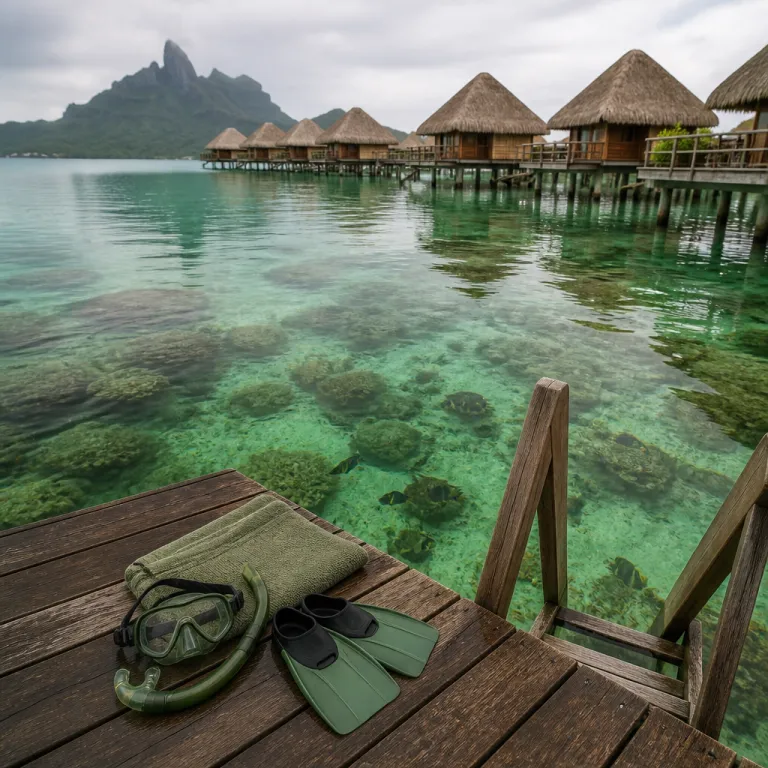
Snorkeling in Tahiti from Bora Bora: how luxury travelers really do it
Snorkeling in Tahiti begins well before you slide into the lagoon. From a luxury or premium hotel in Bora Bora, your concierge will usually curate a tailored snorkeling itinerary that links several islands in French Polynesia. This lets you experience the best snorkeling in Tahiti, Moorea, and Bora Bora while returning each evening to a quiet resort spa sanctuary.
High end properties on every island work closely with local tour operators who provide guided snorkeling excursions. These guides know the safest snorkeling locations, the most sheltered bay for beginners, and the exact time when marine life is most active in each lagoon. Because they operate daily, they also understand how currents affect drift snorkeling routes and where pristine coral is recovering best after storms.
For travelers comparing islands, Tahiti itself offers easy access from Papeete, while Moorea and Bora Bora feel more secluded. Tahiti’s main island has around 20 recognized snorkeling spots, according to data shared by Tahiti Tourisme, with clear waters that stay close to 27 °C throughout the year based on Meteo-France records. These figures are drawn from the official tourism board and national meteorological service, which publish updated visitor and climate information on their public websites. Moorea and Bora Bora add shallow coral gardens and calm reef passes, giving you a wide range of snorkeling spots that suit both first timers and confident swimmers.
Luxury concierges usually start by asking about your comfort level in the water. If you are new to snorkeling, they will recommend a gentle beach entry in a protected lagoon with a sandy bottom and scattered coral heads. Confident swimmers might be steered toward guided drift snorkel routes along the outer reef, where the current carries you effortlessly above coral reefs filled with tropical fish.
Because these hotels focus on service, you rarely need to bring equipment. Snorkel gear, fins, and masks are either provided directly by the resort spa or arranged through trusted partners who maintain high quality equipment. Many properties also offer private boat charters, letting you reach quieter snorkeling locations where the coral is less disturbed and the water feels almost crystal clear.
Responsible operators emphasize eco friendly practices during every snorkeling experience. You will be reminded to use reef safe sunscreen, avoid touching coral, and respect sea turtles, reef sharks, and manta rays from a calm distance. As one Bora Bora guide from a long established lagoon tour company explains, “If we protect the reef today, your children will still see these fish in 20 years.” This approach aligns with regional goals to promote marine conservation and increase awareness of fragile coral reefs across French Polynesia.
Choosing the best snorkeling locations between Tahiti, Moorea, and Bora Bora
Planning snorkeling in Tahiti from a Bora Bora base involves smart island hopping. Many luxury guests split their stay between Tahiti, Moorea, and Bora Bora to experience different reefs, lagoons, and coral gardens without sacrificing comfort. Each island offers its own style of snorkeling spots, and a good booking strategy will match these to your expectations.
On Tahiti, you will find convenient beach access near Papeete, where shore entries lead straight into shallow lagoon areas. Popular areas such as the public beach at Pointe Vénus or the reef flats near Paea offer easy access to coral heads and tropical fish. These snorkeling locations suit travelers who want a quick swim between meetings or flights, yet still hope to see colorful tropical fish and patches of pristine coral. Local guides confirm that “Is snorkeling in Tahiti suitable for beginners? Yes, many spots are beginner-friendly.”
Moorea, just across the bay from Tahiti, is often praised for its dramatic mountain backdrop and calm lagoon. Here, some of the best snorkeling takes place in sheltered bays where coral gardens stretch from the beach toward the outer reef. The lagoon off Temae Beach and the coral gardens in Opunohu Bay are frequently recommended for their clear water and easy access. Families appreciate that many Moorea resorts offer guided tours with flotation aids, making the snorkeling experience reassuring for children and nervous swimmers.
Bora Bora is different again, with its famous turquoise lagoon encircled by a protective reef. High end hotels on the main island and surrounding motu islets arrange boat trips to shallow sandbars where stingrays glide and reef sharks circle in clear waters. Classic stops include the Coral Garden near the eastern motu and the sandbar off Matira Point, usually reached by boat in 15 to 30 minutes from most resorts. If you are curious about shark encounters, read this detailed guide on what really happens during shark excursions in Bora Bora before you book.
For many travelers, the best snorkeling in French Polynesia combines all three islands in one itinerary. You might start with easy beach entries on Tahiti, move to Moorea for longer drift snorkeling sessions, then finish in Bora Bora with private lagoon tours. Luxury booking platforms often bundle these stays, allowing you to coordinate flights, transfers, and guided snorkel outings in a single reservation.
When comparing offers, pay attention to how each hotel describes its access to coral reefs and coral gardens. Some properties sit directly on a swimmable beach with coral just a few metres offshore, while others rely on daily boat shuttles to outer reef snorkeling spots. If you value spontaneity, choose a resort spa where you can step from your villa into crystal clear water and start your snorkeling experience immediately.
Safety is another key factor when choosing between islands. Reputable operators explain that encounters with potentially dangerous marine life are rare; they also stress that guides ensure safety at all times. Look for tours that limit group size, provide life vests, and brief guests carefully before entering the lagoon, especially if drift snorkel routes along the reef are included.
What luxury hotels in Bora Bora actually offer for snorkeling lovers
Luxury and premium hotels in Bora Bora treat snorkeling in Tahiti and the surrounding islands as a core part of the guest journey. Instead of a generic excursion desk, many properties maintain a dedicated marine concierge who curates every snorkeling experience. This specialist will coordinate with local tour operators, private skippers, and dive centres to match your interests and schedule.
Typical offers include half day lagoon cruises, full day island hopping, and sunset snorkel outings that finish with Champagne on deck. Some resorts also arrange early morning trips to manta ray cleaning station sites, where these graceful animals circle patiently while small fish remove parasites from their skin. Because these cleaning stations are sensitive environments, only a limited number of boats are allowed at once, which makes advance booking essential.
Several Bora Bora properties sit directly on motu islets facing the main island. From these locations, you can often access coral gardens just a short swim from the beach, with tropical fish weaving between pristine coral heads. Guests who prefer privacy may choose overwater villas positioned above deeper sections of the lagoon, where a short snorkel from the deck reveals sea turtles, rays, and small reef sharks.
High end hotels also understand that not every guest wants the same level of adventure. Some travelers request gentle snorkeling spots with minimal current, while others ask specifically for drift snorkeling along the outer reef. Your concierge will usually present a wide range of options, from relaxed lagoon floats to more energetic drift snorkel routes that follow the reef edge.
For those seeking a broader perspective on the lagoon before entering the water, consider booking a short helicopter flight over Bora Bora. Seeing the reef, passes, and bays from above helps you understand how currents move and where coral reefs are most concentrated. This aerial view can guide your choice of snorkeling locations, especially if you are planning private charters that combine several bays in one day.
Many luxury properties integrate wellness into their marine activities. After a morning exploring coral gardens and swimming with tropical fish, you might return to the resort spa for a lagoon stone massage or a seaweed wrap. This balance between adventure and relaxation is one reason discerning travelers choose Bora Bora as their base for exploring French Polynesia’s islands.
When evaluating hotels on a booking website, look beyond room photos and focus on how they describe their marine life programs. Properties that highlight eco tourism, sustainable practices, and increased local guides usually invest more in protecting coral reefs and educating guests. This commitment not only improves your snorkeling experience but also supports long term conservation across the islands.
Designing an adventure focused itinerary: from coral gardens to drift snorkeling
Building an adventure oriented itinerary around snorkeling in Tahiti and Bora Bora starts with understanding your priorities. Some travelers want close encounters with manta rays and sea turtles, while others care more about photographing pristine coral and dense schools of tropical fish. A well structured plan will weave these preferences into a logical route across several islands.
Day one might begin on Tahiti with a relaxed beach entry near Papeete, where you can test your snorkel gear and adjust to the lagoon’s clear waters. Local climate data shows an average water temperature of about 27 °C, which feels comfortable even during longer sessions above coral reefs. Because boat tours and shore access are both available, you can choose whether to join a guided group or explore independently under the supervision of a local guide.
Next, you could transfer to Moorea for more immersive coral garden sessions. Many Moorea bays feature shallow coral gardens that are ideal for practicing buoyancy and finning technique without strong currents. Here, drift snorkeling routes are usually short and controlled, giving you a taste of being carried gently along the reef while still staying close to the boat.
From Moorea, a flight to Bora Bora opens the door to more dramatic lagoon scenery. Your hotel concierge will help you select the best snorkeling spots based on daily conditions, including wind direction and swell on the outer reef. Some days are perfect for visiting manta ray cleaning station areas, while others favour sheltered bays where sea turtles graze on seagrass in crystal clear shallows.
Adventure seekers often request combined tours that include both snorkeling and other activities. You might start with a drift snorkel along the reef, then continue with stand up paddleboarding in a calm bay, finishing with a picnic on an uninhabited motu island. Luxury booking platforms make it easy to coordinate these multi activity days, especially when you work with a single provider across several islands.
For travelers who want even more, some high end operators pair snorkeling with private island tours and cultural visits. You can read more about such curated experiences in this guide to luxury and premium hotel booking with private island tours in Bora Bora. Combining coral gardens, reef passes, and inland viewpoints gives you a deeper appreciation of how the lagoon shapes daily life across French Polynesia.
Throughout your itinerary, remember that eco friendly practices protect the very marine life you came to see. Choose operators who limit group sizes, avoid feeding sharks or rays, and anchor only in sandy areas away from coral. This approach ensures that future guests will enjoy the same wide range of snorkeling locations, with healthy coral reefs and abundant tropical fish.
How to use a luxury booking website to secure the best snorkeling
When you browse a luxury and premium hotel booking website focused on Bora Bora, you can use specific filters to prioritize snorkeling in Tahiti and the surrounding islands. Start by selecting properties that mention direct lagoon access, house reefs, or on site marine biologists. These details signal a serious commitment to coral reefs and marine life rather than a generic beach setting.
Read room descriptions carefully to see how close you will be to the water. Overwater villas often provide immediate access to deeper lagoon areas, which can be ideal for confident swimmers who enjoy spontaneous snorkel sessions. Beach villas, by contrast, may sit closer to shallow coral gardens where beginners can stand up if needed and still see tropical fish and sea turtles.
Next, examine the activities section for each hotel. Look for mentions of guided snorkeling excursions, drift snorkeling tours, and visits to manta ray cleaning station sites. If a property lists a wide range of snorkeling locations, including both inner lagoon coral gardens and outer reef passes, you will have more flexibility to adapt plans to weather and personal energy levels.
Guest reviews on booking platforms can also reveal how well hotels manage their marine programs. Pay attention to comments about equipment quality, guide professionalism, and respect for marine life such as reef sharks and manta rays. Consistent praise for clear waters, abundant coral, and responsible practices usually indicates that the hotel works closely with qualified local tour operators.
Many premium booking websites now highlight sustainability credentials. Look for badges or descriptions that reference eco tourism, reef safe initiatives, or partnerships with conservation organisations in French Polynesia. Hotels that invest in coral restoration, waste reduction, and education programs tend to offer a more meaningful snorkeling experience, not just a quick swim above the reef.
Finally, use the messaging tools on these platforms to ask precise questions before you confirm. You might ask whether drift snorkel tours are available directly from the resort spa jetty, or if you need to transfer by boat to another bay. Clear answers about logistics, group sizes, and safety protocols will help you choose the best property for your style of adventure.
Practical tips for a refined snorkeling experience in French Polynesia
Even in a luxury context, thoughtful preparation will elevate your snorkeling in Tahiti and Bora Bora. Begin by booking key excursions well in advance, especially if you hope to visit popular manta ray cleaning station areas or limited access coral gardens. High demand periods can fill quickly, and premium small group tours often accept only a few guests per departure.
Pack a well fitting mask if you already own one, because comfort around the eyes and nose can transform your snorkeling experience. While most resorts and tour operators provide snorkel gear, having your own mask reduces the chance of leaks and fogging during longer sessions above coral reefs. Lightweight rash guards also protect against sun exposure and minor stings, which is useful when you spend hours in crystal clear water.
Respect for marine life should guide every decision in the lagoon. Never stand on coral, even if it looks like rock, because a single step can damage years of growth on pristine coral structures. Maintain a calm distance from sea turtles, reef sharks, and manta rays, allowing them to move freely while you observe their behaviour in the clear waters of the lagoon.
Listen carefully to your guide’s briefing before each snorkel. They will explain how to enter and exit the water safely, how to manage drift snorkeling in mild currents, and what to do if visibility changes unexpectedly. Their local knowledge also helps you spot camouflaged tropical fish, such as scorpionfish or flounders resting on sandy patches between coral heads.
Health and comfort matter as much as scenery. Hydrate well before and after each session, because warm water and sun can be deceptive, and fatigue arrives quickly when you are focused on coral gardens and marine life. If you feel cold or tired, signal your guide and return to the boat or beach rather than pushing through another drift snorkel run.
Finally, remember that sustainable choices extend beyond the lagoon. Choose reef safe sunscreen, minimise single use plastics during boat tours, and support operators who employ local guides from the islands of French Polynesia. These decisions help ensure that future visitors will enjoy the same wide range of healthy coral reefs, thriving tropical fish populations, and crystal clear lagoons that you experienced.
Working with local guides and operators: safety, culture, and conservation
Local tour operators are the backbone of every successful snorkeling in Tahiti itinerary. They provide the boats, guides, and safety systems that allow luxury travelers to explore coral reefs confidently while staying based in high end hotels on Bora Bora and other islands. Their daily presence on the water gives them an intimate understanding of changing conditions across bays, passes, and lagoon channels.
Many of these guides grew up on the islands of French Polynesia and learned to read the reef long before tourism expanded. They know which bay offers the calmest water on a windy afternoon, where sea turtles usually surface to breathe, and which coral gardens are recovering best after storms. When they recommend one snorkeling location over another, it is based on real time observations rather than a fixed schedule.
Safety remains their first priority. Before each snorkeling experience, guides check equipment, review hand signals, and explain how to behave around sharks, rays, and other marine life. They also remind guests that “Do I need to bring my own equipment? Equipment is often provided by tour operators.” and “Are there dangerous marine animals? Encounters are rare; guides ensure safety.”
Working with local guides also opens a window into Polynesian culture. Between drift snorkeling sessions, they may share stories about how their ancestors navigated between islands using stars, swells, and the colour of the lagoon. You will hear how certain reef fish are linked to family traditions, and why some coral formations are treated with particular respect.
From a conservation perspective, these operators play a crucial role in protecting coral reefs and marine life. Many participate in monitoring programs that track coral health, fish populations, and the behaviour of manta rays at cleaning station sites. By reporting changes to scientists and tourism boards, they help shape policies that balance visitor access with long term ecosystem health.
As a guest, you can support this work by choosing operators who follow eco friendly guidelines. Book tours that avoid feeding sharks or rays, limit group sizes, and anchor only in sandy areas away from coral. In doing so, you help preserve the wide range of snorkeling spots, pristine coral gardens, and crystal clear lagoons that make French Polynesia one of the best destinations for refined, nature focused travel.
Key figures for snorkeling focused stays in Tahiti and Bora Bora
- The average water temperature around Tahiti’s main island is about 27 °C, according to local climate data, which allows comfortable snorkeling sessions throughout the year without heavy wetsuits.
- Tourism board information indicates roughly 20 established snorkeling spots around Tahiti alone, giving visitors a broad choice of bays, reefs, and lagoon areas before even adding Moorea and Bora Bora.
- Most guided tours operate during daytime, with morning, afternoon, and occasional sunset departures, allowing travelers to align snorkeling experiences with spa treatments and fine dining reservations.
- Eco tourism initiatives and increased local guides across French Polynesia have expanded the number of professionally supervised snorkeling locations, improving both safety standards and conservation outcomes.
FAQ about luxury snorkeling in Tahiti and Bora Bora
Is snorkeling in Tahiti suitable for beginners staying in luxury hotels?
Yes, many areas around Tahiti, Moorea, and Bora Bora offer shallow, protected lagoon zones that are ideal for beginners. Luxury hotels typically partner with experienced local guides who provide flotation aids, patient instruction, and small group ratios. This combination of calm water and professional support makes first time snorkeling both safe and enjoyable.
Do I need to bring my own snorkel equipment to Bora Bora?
Most premium resorts and tour operators in Bora Bora provide high quality masks, snorkels, and fins as part of their excursion packages. Bringing your own well fitting mask can increase comfort, but it is not essential for a successful trip. If equipment quality matters to you, confirm details with your hotel concierge or booking platform before arrival.
Are there dangerous marine animals in French Polynesia’s lagoons?
Encounters with dangerous marine animals are rare in the lagoons of Tahiti, Moorea, and Bora Bora. Reef sharks and rays are commonly seen but generally shy, and guides brief guests carefully on how to behave around them. Choosing reputable operators and following instructions significantly reduces any remaining risk.
When is the best time of day to snorkel around the islands?
Morning tours usually offer the calmest conditions and the clearest visibility, especially inside the lagoon and along the reef. Afternoon outings can be excellent as well, though wind and surface chop may increase slightly. Some travelers also enjoy late day sessions that combine a short snorkel with sunset views from the boat.
Should I book snorkeling excursions in advance or on arrival?
Booking in advance is strongly recommended for popular small group tours, manta ray cleaning station visits, and private charters. Luxury hotels can sometimes secure last minute places, but availability is never guaranteed during busy periods. Reserving early through a trusted booking website ensures you access the specific snorkeling locations and experiences you value most.