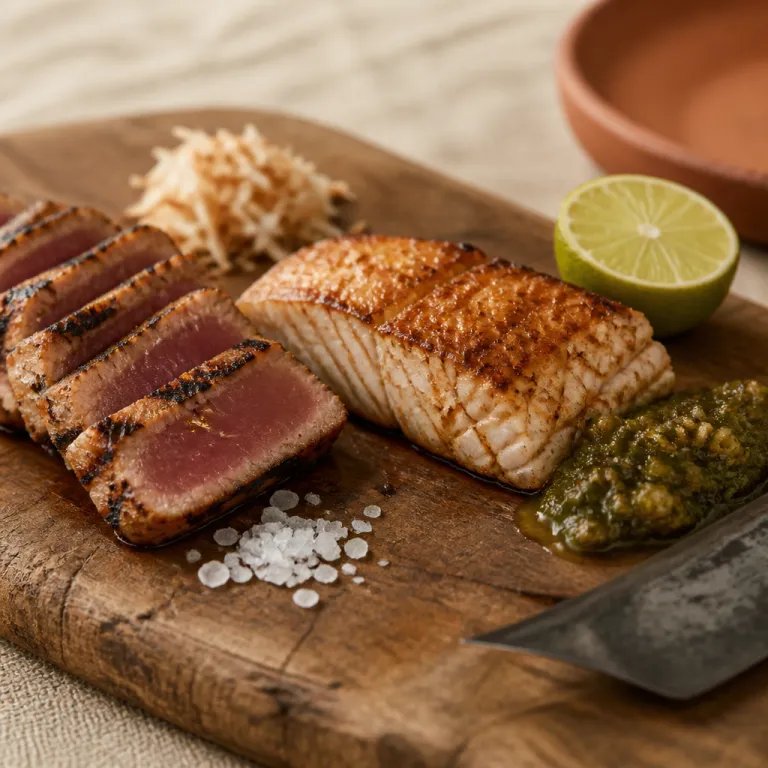
How to read a Bora Bora fish guide on a local seafood menu
On Bora Bora, every serious resort and waterfront restaurant treats the lagoon like a daily market. A well written Bora Bora seafood guide on the menu helps you translate that shimmering water into the right plate for your family, especially when you are choosing between tuna, mahi and the broader catch of the day. For luxury travelers booking a villa or overwater suite on what many call the best island in French Polynesia, understanding the fish on offer is as important as choosing the right room category.
Most high end restaurants in Bora Bora work with a tight circle of local fishermen who land their fish before sunrise. These small scale suppliers bring yellowfin tuna, mahi mahi, wahoo and reef fish straight from the lagoon or outer reef to resort docks, where chefs decide which species will headline the menu best suited to that evening’s dinner service. As one long time fisherman explained in a recent local tourism interview, “If we leave at 3 a.m., your tuna can be on the grill by 7 p.m. the same day.” When you see the phrase “catch of the day” on a restaurant chalkboard at a resort or open air beach grill, it usually means a single line caught fish that moved from boat to grill within hours.
Think of each local fish list as a map of the island’s waters. Lagoon species such as parrotfish or some groupers tend to be sweeter and softer, while ocean going tuna and mahi mahi are firmer and more muscular, which makes them ideal for grilling or searing. When you book a resort or villa, ask the concierge which restaurants and beach grills highlight fish prepared Bora Bora style, because some properties lean toward classic French cuisine while others foreground local cuisine influences from Polynesia and beyond. For visual learners, menu photos and simple fish icons can act as an informal Bora Bora fish guide, especially when you are comparing raw tuna dishes with cooked mahi plates for children.
Tuna, mahi-mahi and the signature poisson cru
Tuna is the backbone of almost every seafood focused menu on Bora Bora, and it appears in both raw and cooked forms. The most iconic preparation is poisson cru, the national dish of French Polynesia, where raw tuna is marinated in lime juice and coconut milk, then tossed with crisp vegetables for a bright, cooling plate that works beautifully at lunch on Matira Beach or as a shared starter at a fine dining resort restaurant. When you see multiple poisson cru dishes listed, expect subtle differences in marinade, vegetables and the balance between lime and coconut milk.
Mahi mahi, sometimes written simply as mahi on menus, is a lean, firm fish with a mild flavor that takes well to grilling and pan searing. Local chefs often describe it in simple terms: grilled or pan seared with local spices, just until the flesh flakes. Families who prefer cooked fish often find mahi dishes more approachable than deep red tuna, especially when served with vanilla sauce, breadfruit purée or French cuisine style beurre blanc that reflects the strong cuisine influences from mainland France. Typical portions in resort restaurants range from 150 to 220 grams per person, with prices that can vary from mid range plates at beach grills to premium mains in fine dining rooms.
Luxury travelers often plan at least one special dinner at Villa Mahana, widely considered among the best restaurants on the island for intimate fine dining. Here, a carefully curated seafood tasting might pair seared tuna with foie gras or present mahi mahi over truffled potatoes, blending French cuisine technique with local ingredients from the lagoon. If you want a more relaxed take, head to Matira Beach where open air restaurants, lined up side by side, serve generous plates of grilled tuna, mahi and the catch of the day with rice, salad and chilled Hinano beer for a casual family friendly evening.
For a deeper look at how Villa Mahana approaches seafood tasting menus and wine pairings, read this in depth Villa Mahana fine dining review before you book. It will help you decide whether to reserve a romantic table for two while arranging a kids’ dinner at your resort, or to bring older children who are ready to try more adventurous Bora Bora style fish preparations. When browsing photos, look for clear images of tuna, mahi and poisson cru, and note any descriptive image alt text that mentions Bora Bora seafood tasting menus or lagoon sourced fish.
From lagoon to plate: how the catch of the day really works
Behind every elegant resort menu on Bora Bora sits a simple supply chain that starts in a small boat. Local fishermen leave before dawn, working with traditional lines rather than industrial nets, and return to the island’s docks with tuna, mahi mahi and reef fish that will become the catch of the day in restaurants across the island. This low impact approach aligns with French Polynesia’s large marine protected zone, which restricts industrial fishing and helps keep the lagoon’s water remarkably clear for both snorkelers and diners who care about sustainability.
French Polynesia declared its entire Exclusive Economic Zone, covering roughly 4.8 million square kilometers, a managed marine area in 2018, and the Local Fisheries Department reports that Bora Bora’s lagoon is reserved for small scale artisanal fishing. Once the boats tie up, resort buyers and chefs walk the docks to choose their fish, often selecting whole tuna or mahi mahi based on clarity of the eyes, firmness of the flesh and the clean scent that signals freshness. The guidance many visitors receive from staff is simple yet accurate: try the catch of the day for the freshest options, whether you are at a polished resort restaurant serving multi course menus or at a sandy floored spot like Bloody Mary’s where the evening’s fish are displayed on ice and you point to your preferred cut.
At Bloody Mary’s, a long running open air institution, families line up in front of a chilled display where staff explain each fish in plain language, from yellowfin tuna to rock lobster and sometimes king rock crab when in season. Children tend to enjoy choosing their own fillet, while adults appreciate the straightforward grilling that lets the fish speak for itself without heavy sauces. For a contrasting experience, consult this Villa Mahana restaurant profile to see how a tiny dining room on the hillside turns the same lagoon species into intricate fine dining dishes with layered sauces and precise plating. When planning photos from these venues, use descriptive image alt text such as “Bloody Mary’s Bora Bora fish display with tuna and mahi mahi on ice” or “Villa Mahana seafood tasting menu with seared tuna and lagoon views.”
Where to eat fish on Bora Bora: from Matira Beach to resort dining rooms
Choosing where to eat fish on Bora Bora depends on how you like to dine, and how your family travels. Around Matira, often described as the best beach on the island, you will find casual open air restaurants in classic Bora Bora style that serve grilled tuna, mahi and poisson cru at shaded tables just steps from the water. These spots are ideal for families staying in a nearby villa or guesthouse who want to walk barefoot to dinner after a late swim in the lagoon.
Matira Beach also works well for guests of large resort properties who want a change from on site dining, since many hotels offer shuttle boats or cars to this part of the island. Look for menus that clearly label the catch of the day, and do not hesitate to ask whether the fish is lagoon caught or from deeper ocean waters, because that detail shapes both flavor and texture. Some of the best restaurants along this stretch balance local cuisine with French cuisine techniques, offering both grilled fish plates and more elaborate dishes with sauces, purées and carefully plated vegetables. Typical main courses at these beach restaurants often sit in the mid price range compared with resort dining rooms, which can help families manage budgets across a week long stay.
On the opposite side of the lagoon, resort dining rooms lean into the full Bora Bora seafood experience, with tasting menus, wine pairings and kids’ options that keep younger travelers happy. Overwater restaurants often position tables so you can watch reef sharks and rays glide beneath the deck lights while you eat, turning dinner into a quiet wildlife show. If your family is curious about what happens in the lagoon after dark, pair one of these dinners with a guided experience such as night diving in Bora Bora, which reveals how the same waters that feed your plate come alive with different species once the sun sets. When choosing photos of these evenings, use alt text like “overwater restaurant in Bora Bora with reef sharks under the deck” to help readers imagine the scene.
Reading resort menus: from fine dining to family friendly plates
Luxury hotels on Bora Bora know that guests arrive with different levels of seafood confidence, so menus are usually structured to guide you gently. At the top, you will often see a dedicated section that acts as a Bora Bora fish guide, listing raw preparations such as tuna tartare and classic poisson cru, followed by grilled or roasted dishes built around the catch of the day. Families can start with a shared raw plate for adventurous adults, then order safer grilled mahi mahi or breaded fish for children who prefer familiar textures.
Fine dining restaurants at high end resorts and at Villa Mahana tend to weave fish into multi course tasting menus, where tuna might appear as a lightly seared starter and mahi mahi as a main course with rich sauce. These kitchens draw on strong cuisine influences from both Polynesia and French cuisine, using coconut milk, vanilla, citrus and local root vegetables alongside European techniques such as confit, jus reductions and precise plating. When you see a “menu best of the lagoon” or similar wording, expect a curated progression that showcases several species from the island’s waters in different forms, often with suggested wine pairings and clear notes about whether the fish is lagoon caught or from offshore banks.
More relaxed resort restaurants around Bora Bora often highlight family friendly sharing plates, such as whole grilled fish served island style with rice, salad and dipping sauces. Here, the focus is less on elaborate technique and more on freshness, which suits children who like to see exactly what they are eating. If you are unsure what to choose, ask the server which fish came in on the last boat, because that is usually the best option on any given night, whether you are seated in an open air beach pavilion or a polished dining room with linen tablecloths. For quick reference, many resorts now include small icons or short notes on menus to indicate spicy dishes, vegetarian plates and kid friendly portions alongside the main Bora Bora seafood listings.
Practical tips for families booking luxury stays and planning seafood focused dinners
When you book a luxury resort or villa on Bora Bora, it pays to think about seafood before you confirm your half board or full board plan. Some properties offer themed lagoon nights where the fresh fish selection expands to include multiple poisson cru variations, grilled tuna, mahi mahi skewers and sometimes rock lobster or king rock crab, which can be excellent value for families who enjoy fish. Ask in advance whether these dinners are included in your package or require a supplement, especially if you plan to eat off property at places like Bloody Mary’s or Matira Beach restaurants.
Parents often worry about whether children will find enough to eat in a fish forward destination, but most resort restaurants across Bora Bora balance local cuisine with international comfort dishes. You will usually find grilled chicken, pasta and vegetarian options alongside island style seafood plates, and local tourism information consistently notes that vegetarian dishes are widely available. For younger diners, start with mild mahi mahi or breaded lagoon fish, then gradually introduce raw tuna in small bites of poisson cru or tartare if they show interest. If someone in the family prefers to avoid seafood altogether, confirm children’s menus and vegetarian choices when you reserve, so the kitchen can plan alternatives without last minute stress.
Finally, remember that French Polynesia’s marine protection policies mean you can order the catch of the day with more confidence about sustainability than in many other island destinations. The territory emphasizes small scale line fishing and community based management rather than large industrial fleets, which helps keep pressure on stocks more manageable. By choosing restaurants that work closely with local fishermen and by asking simple questions about where your fish was caught, you support both the lagoon’s long term health and the community that makes your stay on this best island feel genuinely connected to place. For more detailed background, look for recent reports from the Local Fisheries Department or the Ministry of the Environment, which publish data on lagoon health, fishing effort and seasonal closures.
Key figures on seafood and dining in Bora Bora
- Fish is central to daily life in Bora Bora, shaping both local diets and restaurant menus, with tuna and mahi mahi appearing on most lunch and dinner cards.
- French Polynesia manages one of the world’s larger marine protected areas in the Pacific, with an Exclusive Economic Zone of about 4.8 million square kilometers designated as a managed marine area, which limits industrial fishing and supports the small scale line fishing that supplies resort kitchens.
- Most high end resorts update their seafood menus daily, with the catch of the day changing based on what local fishermen land each morning, so guests can expect different fish options across a multi night stay.
- Open air institutions such as Bloody Mary’s can display more than a dozen species on busy nights, giving families a practical, visual guide to Bora Bora fish right in front of the chilled counter.
FAQ about fish and seafood dining on Bora Bora
What is the "catch of the day" on Bora Bora menus ?
The catch of the day on Bora Bora is freshly caught fish offered daily, usually sourced that morning by local fishermen using traditional lines rather than industrial nets. Resorts and independent restaurants choose from this catch and build specials around the best looking tuna, mahi mahi or reef fish. Ordering it is often the most reliable way to experience truly fresh seafood during your stay, and staff can usually tell you exactly where around Bora Bora or the outer reef the fish was landed.
How is mahi mahi typically prepared in Bora Bora restaurants ?
Mahi mahi is most often grilled or pan seared with local spices, which suits its firm, lean flesh and mild flavor. Many chefs pair it with coconut milk sauces, vanilla beurre blanc or citrus based dressings that reflect both Polynesian and French cuisine influences. For families, mahi mahi is a versatile choice because it works well in both refined fine dining dishes and simple grilled plates with rice and vegetables, and it can be served either as a fillet or in skewers that children often find fun to eat.
Is poisson cru safe for children and first time raw fish eaters ?
Poisson cru is made from very fresh tuna briefly marinated in lime juice and coconut milk, which lightly cures the fish and gives it a bright, clean flavor. In reputable restaurants and resorts, hygiene standards are high and the tuna is usually from the same quality stock used for seared or grilled dishes. For cautious eaters, start with a small shared portion and confirm with staff that it was prepared to order rather than sitting too long on a buffet, and avoid it for anyone with compromised immunity or specific medical advice against raw fish.
Are there vegetarian options if someone in the family does not eat fish ?
Most restaurants across Bora Bora, including resort dining rooms and beachside spots, offer vegetarian dishes alongside their seafood plates. Menus typically include salads, pasta, vegetable curries and sometimes plant based versions of local specialties, which makes mixed preference groups easier to accommodate. When booking a luxury stay, you can email the hotel in advance to flag dietary needs so the kitchen can plan suitable alternatives, and check whether vegetarian mains are clearly labeled on printed menus and online descriptions.
Do I need to reserve popular seafood restaurants like Bloody Mary’s or Villa Mahana ?
Advance reservations are strongly recommended for headline venues such as Villa Mahana, which has limited seating and is considered one of the best restaurants on the island for fine dining. Bloody Mary’s is larger and more casual, but it still fills up on peak nights, especially when cruise ships are in port or during holiday periods. Ask your resort concierge to secure bookings a few weeks before arrival if seafood focused dinners are a priority for your trip, and check cancellation policies in case weather or excursions change your plans.
References
- Local Fisheries Department of French Polynesia
- French Polynesia Tourism Board
- Ministry of the Environment, French Polynesia