1. What the ahima'a really is in Bora Bora’s luxury landscape
The ahima'a is the underground earth oven at the heart of traditional Tahitian celebrations. In Bora Bora it shapes the most meaningful meals, yet many resort guests only meet it as a themed buffet framed by Polynesian dance. Understanding the real ahima'a helps you choose an ahimaa Tahitian feast Bora Bora that feels ceremonial rather than staged.
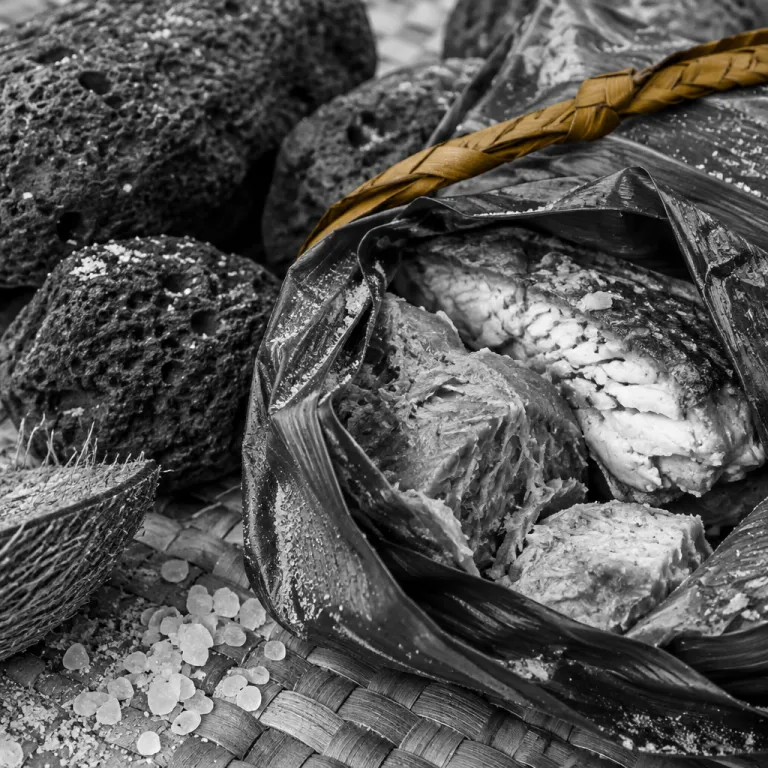
An ahima'a is dug directly into the island soil, then lined with volcanic stones heated until they glow. Cooks layer taro bananas, whole raw fish wrapped in banana leaves, and trays of poulet fafa over the stones, then seal everything under more leaves and cloth for several hours. This slow cooking is what turns a simple spread of Tahitian food into a deep traditional Polynesian ritual.
On Bora the ahima'a is often called maa Tahiti, the “food of Tahiti” cooked in the ground. You will see it referenced in resort programs, in Tahiti Tourisme brochures, and in French Polynesia cultural events across the Islands of Tahiti. The same technique appears on Moorea and other islands, but the lagoon light of Bora Tahiti and the quiet of the motu make the experience feel particularly intense.
The difference between oven and buffet
At many a resort the ahimaa Tahitian feast Bora Bora is reduced to a line of chafing dishes. You may see volcanic stones and banana leaves arranged decoratively, while the real cooking happens in a modern kitchen. That can still be pleasant food, yet it is no longer a traditional Tahitian ahima'a in spirit.
A genuine tama'ara'a, the full Polynesian feast, always includes the opening of the earth oven as a central moment. Guests gather as the cooks lift away sand and banana leaves, releasing a wave of coconut, grilled meats and smoky island aromas. When you are evaluating luxury properties or Pearl Resorts style addresses, ask clearly whether the ahima'a itself is used or whether the feast is only themed around Tahitian cuisine.
For couples planning a wedding Bora celebration or a vow renewal, this distinction matters. A staged buffet might suit a large group that prioritizes convenience and resort logistics. A true ahima'a on a smaller motu, with food cooked entirely in the ground, creates a wedding experience that feels anchored in the culture of French Polynesia rather than in generic resort entertainment.
2. From volcanic stones to coconut milk: what cooks in the earth oven
Every ahimaa Tahitian feast Bora Bora begins with volcanic stones heated in a wood fire until they are white hot. These stones hold enough energy to cook an entire meal slowly, turning a pit in the island sand into a natural oven. When you book a luxury resort stay, ask whether you can watch this firing stage, because it is where the tama'ara'a story really starts.
Once the stones are ready, the cooks arrange layers of food in a precise order. Root vegetables such as taro and taro bananas go in first, followed by whole lagoon fish and trays of raw fish marinated for poisson cru, then larger cuts of pork and other grilled meats. Everything is wrapped in banana leaves that trap moisture and infuse the food with a distinctly Polynesian forest aroma.
Tahitian cuisine leans heavily on coconut and coconut milk, and the ahima'a is no exception. You will often taste uru breadfruit soaked in coconut milk, pumpkin sweetened with island sugar, and creamy sauces that soften the smokiness of the earth oven. For many travelers this is their first encounter with traditional Tahitian textures, which feel richer and more rustic than typical French restaurant dishes in Bora Bora.
Key dishes to look for on the ahima'a table
On the buffet or family table after an ahima'a, poisson cru is usually the star. This signature Tahitian food combines raw fish with lime and coconut milk, and it bridges the gap between French Polynesia fine dining and traditional Polynesian comfort food. If you are unsure about raw fish, start with a small portion and pair it with taro bananas or breadfruit to balance the acidity.
Poulet fafa, chicken cooked with taro leaves and coconut, is another anchor of any ahimaa Tahitian feast Bora Bora. The fafa leaves become silky in the earth oven, and the coconut milk turns almost smoky as it steams inside the banana leaves. Alongside these you may find whole reef fish, suckling pig, uru, and sweet poe puddings that show how islands Tahiti transform simple ingredients into layered cuisine.
For couples who care about gastronomy, it is worth pairing one tama'ara'a night with a separate high end French restaurant experience. A refined address such as the one highlighted in this luxury Bora Bora restaurant guide will show you how chefs reinterpret Tahitian cuisine on the plate. Together, the earth oven and the white tablecloth give you a complete view of how Bora and Tahiti express their food culture today.
3. Ceremony, music and dance: reading the ritual, not just the show
The ahima'a is never only about food ; it is a ceremony that weaves together island time, family and storytelling. In Bora Bora the opening of the oven often coincides with sunset, when the lagoon turns from turquoise to ink. This is when the tama'ara'a shifts from cooking technique to shared experience.
At many resorts the uncovering of the ahima'a is paired with live music and 'ori Tahiti dance. Drums echo across the motu while dancers move between tables, and the volcanic stones release clouds of scented steam as the banana leaves are lifted. This can feel theatrical, yet when the team cooking the maa Tahiti is local and clearly proud of their craft, the performance supports the tradition rather than replacing it.
Community led feasts on the main island often feel different from resort productions. You might sit on simple benches, eat from shared platters of Tahitian food, and hear stories about how ahima'a ovens once marked weddings, births and village fêtes across the Islands of Tahiti. The line between tourisme product and family gathering blurs, and that is where many travelers say they finally understand the ahimaa Tahitian feast Bora Bora beyond the buffet.
Choosing between sunset spectacle and intimate gathering
When you compare options, think about how you like to experience culture. A large resort tama'ara'a offers polished dance shows, extensive food stations and easy logistics, especially if you are traveling with teens or a multi generational group. Smaller motu or village feasts trade variety for intimacy, with fewer dishes but more time to talk about Tahitian cuisine and daily life in French Polynesia.
If sunset views are a priority, align your ahima'a night with a lagoon facing setting. Some properties combine the earth oven with waterfront tables similar to those featured in this sunset dining in Bora Bora guide, where the horizon becomes part of the meal. Others keep the oven tucked inland among coconut palms, which feels more traditional but less focused on the lagoon spectacle.
Couples planning a wedding Bora celebration should ask whether the ceremony can incorporate the opening of the ahima'a. Some resorts and Pearl Resorts style properties will allow the couple to lift the first banana leaves or share the first serving of poisson cru. That small gesture turns a standard Polynesian show into a personal ritual anchored in the island.
4. How to tell a ceremonial ahima'a from a themed buffet when booking
When you browse luxury properties on a site like stay-in-bora-bora.com, the language around dining can be vague. Many resorts mention a Polynesian night, a Tahitian feast or a cultural buffet without specifying whether an actual ahima'a is used. To secure a true ahimaa Tahitian feast Bora Bora, you need to ask targeted questions before you confirm.
Start by emailing the resort concierge with three clear points. Ask whether they cook in a real earth oven with volcanic stones, whether guests can watch the oven being opened, and whether key traditional Tahitian dishes such as poisson cru, poulet fafa and uru are prepared in that oven. If the answer leans heavily on “inspired by” or “themed around” Tahitian food, you are likely looking at a modern kitchen buffet with Polynesian décor.
Next, inquire about who runs the event. Some of the most meaningful tama'ara'a evenings in Bora and Tahiti are led by one family or a small local association, sometimes in partnership with Tahiti Tourisme or local tourisme offices. When the same people have tended the ahima'a pit for years, the experience feels closer to a village celebration on Moorea or another island than to a one size fits all resort show.
Red flags and green lights in hotel descriptions
Certain phrases in marketing copy can help you read between the lines. “International buffet with Polynesian corner” usually signals a broad food spread where Tahitian cuisine plays a supporting role. “Traditional Polynesian tama'ara'a with earth oven opening” is a stronger sign that the ahima'a itself anchors the evening.
Look for mentions of specific ingredients such as coconut milk, taro bananas, raw fish and banana leaves, rather than generic “island flavors”. Properties that talk about maa Tahiti, traditional Polynesian recipes and the history of the Islands of Tahiti are more likely to respect the ritual. If you see repeated emphasis on photo opportunities and costumes but little about the food, expect spectacle over substance.
For travelers combining cultural evenings with active days, it can be helpful to pair your feast with lagoon outings. An itinerary that mixes a tama'ara'a night with the kind of excursions outlined in this Bora Bora adventure guide gives you both movement and depth. That balance keeps the ahimaa Tahitian feast Bora Bora from feeling like an isolated show and instead turns it into one chapter of a wider French Polynesia story.
5. What to expect on the plate: textures, flavors and dietary notes
If you are new to Tahitian cuisine, the ahima'a table can feel both inviting and unfamiliar. The flavors are gentle, with coconut, root vegetables and lagoon fish leading the way. Textures, however, can be different from mainland French or American restaurant norms.
Poisson cru is the most iconic dish you will meet at an ahimaa Tahitian feast Bora Bora. The raw fish is firm yet tender, marinated in lime and coconut milk until it turns almost opaque, and it carries the taste of the lagoon more than the smoke of the oven. For many guests this becomes the benchmark for Tahitian food, and they spend the rest of their stay comparing versions across resorts and food trucks.
Earth cooked root vegetables such as taro and taro bananas emerge soft, slightly sweet and deeply scented with banana leaves. Poulet fafa feels like a Polynesian cousin of creamed spinach with chicken, yet the coconut milk and slow cooking give it a richer, almost nutty profile. Grilled meats from the ahima'a, especially pork, carry a subtle smokiness from the volcanic stones rather than the char of a metal grill.
Dietary preferences and how to communicate them
Most luxury resorts in Bora Tahiti are used to handling dietary requests, but the fixed nature of an ahima'a means you should speak up early. If you avoid raw fish, ask for a cooked poisson cru style dish or extra portions of grilled lagoon fish instead. Vegetarians can usually rely on uru, taro, pumpkin, salads and coconut based preparations, though strict vegans should confirm that coconut milk sauces do not include dairy or meat stock.
Gluten free travelers often find the ahimaa Tahitian feast Bora Bora surprisingly friendly. Traditional Tahitian recipes lean on roots, fruits and rice rather than wheat, and most dishes cooked in banana leaves are naturally gluten free. The main items to check are desserts and any French style pastries that may appear alongside the Polynesian spread.
If you are planning a wedding Bora celebration or a private tama'ara'a, you will have more control over the menu. Work with the resort or motu host to balance traditional Polynesian dishes with a few familiar options for less adventurous guests. That way everyone can engage with the culture of the Islands of Tahiti at their own pace without feeling pushed beyond their comfort zone.
6. Timing, etiquette and booking strategies for a meaningful ahima'a
Ahima'a nights in Bora Bora typically run on specific evenings, often once or twice per week at larger resorts. Smaller island properties or family run experiences may schedule tama'ara'a feasts around weddings, village fêtes or private group bookings. If an ahimaa Tahitian feast Bora Bora is a priority, build it into your itinerary from the moment you start comparing hotels.
When you reserve a room, note your interest in traditional Tahitian dining in the booking comments. Follow up with the concierge to ask which nights the maa Tahiti is planned, whether it is seasonal, and how many guests usually attend. This helps you avoid arriving on the island only to find that the ahima'a runs on the one night you are off on a lagoon tour or a Moorea side trip.
On the evening itself, etiquette is relaxed but respectful. Arrive on time for the opening of the oven, as this is the heart of the experience, and be ready for a mix of French, English and Tahitian spoken around you. Dress codes vary by resort, yet smart casual island wear works almost everywhere, and bare feet in the sand are often welcome once the music starts.
Making the most of your ahima'a evening
To deepen the experience, talk with the cooks and musicians when they are free. Ask how long they have been tending this particular ahima'a pit, which dishes come from their own families, and how celebrations differ across the Islands of Tahiti and other parts of French Polynesia. These conversations turn a themed dinner into a living cultural exchange.
If you are staying at one of the Pearl Resorts or another high end property, consider booking a second, smaller scale feast on the main island. Experiencing both a polished resort tama'ara'a and a more modest community gathering gives you a fuller picture of how Tahitian food lives today. You will taste the same coconut milk, banana leaves and volcanic stones at work, yet the atmosphere around them will shift from choreographed show to everyday island life.
By the time you leave Bora Tahiti, the ahima'a will likely stand out as one of your clearest memories. Not just the flavors of poisson cru or poulet fafa, but the moment the oven opens and the island exhales its warmth. That is the essence of an ahimaa Tahitian feast Bora Bora when it moves beyond the buffet and back into the realm of shared ritual.
Key figures on Tahitian feasts and French Polynesia travel
- According to Tahiti Tourisme, French Polynesia welcomes around 300,000 visitors per year, with Bora Bora and the Islands of Tahiti among the most requested destinations for cultural and gastronomic experiences.
- Surveys from French Polynesia’s tourism authorities indicate that over half of long haul visitors attend at least one traditional Polynesian show or feast, yet only a fraction specifically request an ahima'a style tama'ara'a when booking.
- Data from international hotel groups operating in Bora Tahiti suggest that themed buffet nights can generate higher covers than smaller ceremonial feasts, which partly explains why many resorts adapt the ahima'a into a more scalable format.
- Market research on destination weddings in the Islands of Tahiti shows that couples increasingly ask for Tahitian food elements such as poisson cru and maa Tahiti at their wedding Bora receptions, blending local cuisine with classic Western menus.
FAQ about the ahima'a feast in Bora Bora
Is the ahima'a feast suitable for guests who do not eat raw fish ?
Yes, an ahimaa Tahitian feast Bora Bora usually includes many cooked options beyond poisson cru. You can expect grilled meats, earth baked root vegetables, poulet fafa and coconut based dishes that do not rely on raw fish. Inform your resort in advance so they can highlight alternatives and adjust portions.
How often do resorts in Bora Bora host an ahima'a night ?
Larger resorts typically schedule a tama'ara'a or Polynesian feast once or twice per week, depending on occupancy and season. Smaller properties or motu retreats may offer it less frequently or only for private groups. Always confirm the schedule with the concierge before finalizing your travel dates.
Can I attend a community ahima'a instead of a resort feast ?
In some cases, yes, especially on the main island where local associations or families organize traditional Polynesian feasts for residents and interested visitors. Your hotel concierge or Tahiti Tourisme representatives can advise on current options. These gatherings are usually simpler than resort events but often feel more intimate and authentic.
What should I wear to an ahima'a evening in Bora Bora ?
Smart casual island attire works well for most ahimaa Tahitian feast Bora Bora settings. Lightweight dresses, linen shirts and sandals are appropriate, with a light layer for breezy evenings on the motu. Some guests enjoy wearing a pareo or a flower lei offered by the resort to lean into the Polynesian atmosphere.
Do I need to book the ahima'a in advance or can I decide on arrival ?
Advance booking is strongly recommended, especially in high season or at smaller resorts where capacity is limited. When you reserve your room, note your interest in the tama'ara'a and reconfirm dates once you arrive on the island. This ensures you secure a place at the feast that best matches your expectations for Tahitian cuisine and ceremony.