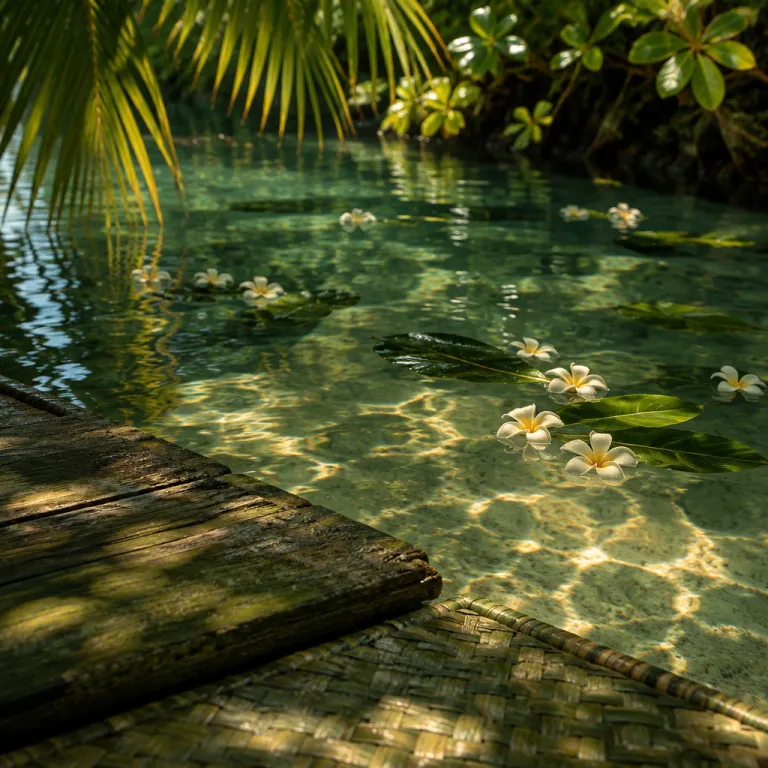
The rise of watsu water wellness in Bora Bora
On Bora Bora, wellness has quietly moved off the massage table and into the lagoon. Watsu water wellness in Bora Bora takes shape as warm water shiatsu, slow cradling stretches and breath work held in waist deep turquoise water where the lagoon’s calm surface becomes part of the treatment. Couples used to classic spa rituals now find that this kind of session can reset the mind body connection more deeply than an hour in an air conditioned treatment room.
In watsu, the practitioner supports you as the water supports your weight, then guides your body through arcs, twists and stillness while you float with eyes closed. The combination of gentle pressure, passive stretching and rhythmic movement in warm water allows muscles to release without effort, which is why many guests describe the experience as a massage for both body and soul rather than just another spa treatment. On this island, where life is already tuned to the ocean’s slow pulse, that shift from table to lagoon feels less like a novelty and more like a return to how Polynesia has always related to water.
Luxury resorts now frame watsu water wellness in Bora Bora as a signature experience rather than an add on, often pairing it with floating meditation or simple swimming based breath sessions at sunrise. The best practitioners understand that couples are not chasing spectacle but a quieter kind of intimacy, so they keep groups small and the setting minimal, letting the lagoon, the light and the silence do most of the work. When you are held in warm water, hearing only your breathing and the faint rustle of the reef, the island’s famous views fade and what remains is a rare feeling of weightless time.
Why Bora Bora’s lagoon is the perfect wellness partner
Not every stretch of water can host watsu water wellness in Bora Bora style, and the lagoon’s particular conditions matter more than any spa architecture. The shallows around many motu offer consistently warm water, gentle currents and sandy bottoms, so the practitioner can move easily while the guest floats, eyes closed, without worrying about coral or sudden depth changes. That stability allows the nervous system to soften, which is the real goal of these water therapies rather than athletic performance.
Because the lagoon is protected from the open ocean, the surface usually stays glassy and quiet, and that stillness is what lets water supports your spine and joints evenly during aquatic bodywork. In a good session, you stop tracking where your body ends and the lagoon begins, and the mind body loop shifts from control to trust as you are guided through arcs that would feel impossible on land. Couples often say that this is the first time on the island when they are not performing the holiday for each other or for a camera, but simply sharing the same slow breath in the same element.
For many travelers, this is also their first taste of floating meditation, which uses the same warm water setting but focuses less on stretching and more on breath and sensory awareness. Some hotels pair these sessions with early morning yoga on a motu, creating an open air wellness sequence that starts on the sand and ends in the lagoon, and you can read more about this growing scene in this guide to morning yoga and open air wellness in Bora Bora. When the sun is still low and the light is soft, the combination of gentle movement, salt water and silence can feel like a reset for both body spirit and tired city senses.
From thalasso to floating: building a varied spa itinerary
Most luxury travelers arrive in French Polynesia expecting monoi oil massages, overwater spa suites and perhaps a thalassotherapy circuit, and Bora Bora delivers all of that with polished ease. Watsu water wellness in Bora Bora does not replace those rituals ; it complements them by working with buoyancy and breath rather than heat and pressure alone. Think of it as the quiet counterpoint to the more theatrical spa experiences that have long defined the island.
Traditional treatments still have their place, especially for guests who want targeted muscle work after a long flight or a day of swimming with rays and reef sharks. A classic deep tissue massage or a hot stone ritual can prepare the body for the more subtle shifts that happen in aquatic bodywork, where water therapies use the lagoon’s embrace to reach deeper layers of tension without force. Couples who alternate between land based treatments and floating sessions often report that their sleep, digestion and overall sense of life balance improve over the course of a stay.
When planning your spa itinerary, look for a resort that treats wellness as a coherent journey rather than a menu of disconnected services, and this is where curated guides to spa and wellness retreats in Bora Bora become useful. Start with a grounding massage on your first day to help the mind body system arrive, then schedule watsu or floating meditation once you feel acclimatized to the island’s rhythm. By the time you leave, the contrast between the structured spa center and the free form lagoon sessions will have shown you two very different but complementary ways to care for both body and soul.
The couple’s perspective: shared floating, slower intimacy
For couples, watsu water wellness in Bora Bora offers something rare in luxury travel : a shared experience that is intimate without being performative. Instead of side by side massage tables in a dim spa room, you might find yourselves in the shallows at the edge of the beach, one partner floating while the other watches from a few metres away, listening to the same ocean hush. Later, roles switch, and the simple act of witnessing each other in that vulnerable, weightless state can feel more connecting than any staged romantic dinner.
Some practitioners offer tandem aquatic bodywork where both of you float together, held by the therapist and by the way water supports your bodies in gentle synchrony. Movements are slow and minimal, more like a quiet dance than a treatment, and the focus is on shared breath and the subtle shifts of the mind body connection as you let go of control. Many couples say that this is the moment when the noise of daily life finally drops away, leaving only the island, the lagoon and a sense of being fully present with each other.
After a session, the rest of the day tends to unfold at a different pace, and even simple rituals like a long bora breakfast on your terrace or a walk along the beach feel newly textured. You may find that you talk less and notice more, from the way the light moves across the water to the sound of distant boats heading out to the reef. In a destination where grand gestures are easy to arrange, this quieter, slower intimacy can be the most memorable part of your stay.
Practicalities: what to expect, what to ask, and where to go
Booking watsu water wellness in Bora Bora is less about chasing a specific brand name and more about choosing the right practitioner and setting. Sessions usually last between forty five and sixty minutes, and you will spend most of that time floating in warm, chest deep water while the therapist supports and moves you. Wear a comfortable swimsuit, skip heavy breakfast beforehand and arrive a little early so your body has time to adjust to the lagoon’s temperature.
When you contact your resort or preferred spa center, ask who will guide the session, how long they have been practicing aquatic bodywork and whether they adapt water therapies for different comfort levels or mobility needs. Clarify whether the treatment takes place in the open lagoon, a protected pool or a dedicated overwater space, because each setting offers a different relationship to the ocean, the light and the surrounding island landscape. If you are sensitive to sun, request early morning or late afternoon times when the water is still warm but the glare is softer.
Couples planning a longer stay in French Polynesia sometimes combine sessions in Bora Bora with time on Moorea island or even a few quiet days on Moorea itself, where the lagoon has a different mood and the pace of life is slower. Wherever you go in Polynesia, the essentials remain the same : clear communication with your therapist, respect for your own limits and a willingness to let the water support both body and spirit. Between treatments, keep things simple with unhurried swimming, a shaded spot on the beach and perhaps a relaxed meal built around the fresh fish that defines local cuisine, which you can explore in depth in this guide to tuna, mahi mahi and the catch of the day in Bora Bora.
FAQ
What exactly is watsu and how is it used in Bora Bora ?
Watsu is a form of aquatic bodywork that combines elements of shiatsu, stretching and gentle cradling in warm water, usually around body temperature. In Bora Bora, it is typically offered in calm lagoon shallows or dedicated pools, where the practitioner supports you as the water supports your weight and guides you through slow, flowing movements. The goal is deep relaxation of both body and mind, using the lagoon’s warmth and buoyancy as active parts of the treatment.
Is watsu suitable for everyone, including non swimmers and nervous guests ?
Most healthy adults can safely enjoy watsu, including non swimmers, because the practitioner stays with you throughout and keeps you in shallow water where they can stand. If you are anxious in water, pregnant or have specific medical conditions, discuss this in detail with the spa or resort team before booking so they can adapt the session or advise against it. A good therapist will move slowly, explain each step and adjust the pace so your nervous system feels supported rather than overwhelmed.
How does a water based session compare to a traditional massage ?
Traditional massages rely on pressure, friction and sometimes heat applied to muscles while you lie on a table, which can be excellent for targeted tension or jet lag. Water based sessions like watsu use buoyancy, gentle movement and breath to release deeper holding patterns without force, often leading to a more global sense of relaxation in both body and soul. Many travelers in Bora Bora choose to alternate between the two approaches to create a more complete wellness experience during their stay.
When is the best time of day to schedule watsu in Bora Bora ?
Early morning and late afternoon are usually the most comfortable times, because the lagoon is warm, the light is softer and the beach areas are quieter. Midday sessions can feel more intense due to stronger sun and brighter reflections on the water, which some guests enjoy but others find tiring. If you are sensitive to heat or glare, request a time when the sun is lower and bring sun protection for the moments before and after you are in the water.
Can we book watsu as a couple and share the same session ?
Many high end properties in Bora Bora offer options for couples, ranging from back to back individual sessions to tandem floating experiences where both partners are in the water together. Policies vary, so ask whether the therapist can safely manage two guests at once and how the session is structured to respect each person’s comfort level. For some couples, starting with separate treatments and then moving to a shared session later in the trip provides the best balance of personal space and shared intimacy.